
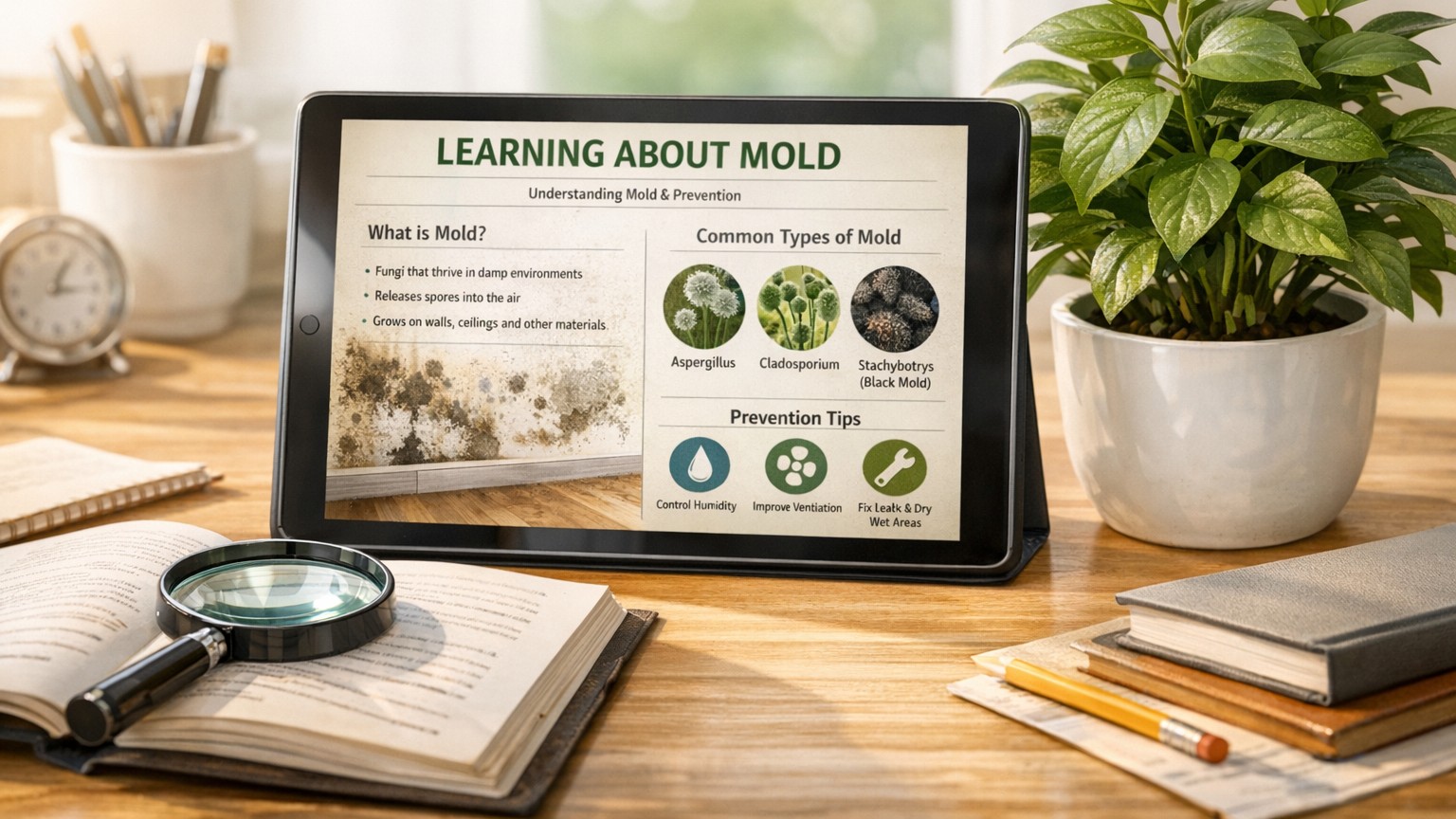
Water damage after a winter storm can support mold growth, so begin safe drying promptly. Treat 24–48 hours as a prompt-drying target, not an exact growth clock or proof of a health outcome; assess the actual moisture, materials, and source-control result.
This is not just a Texas problem or a Southern states issue. The National Weather Service has issued warnings spanning a nearly 2,000-mile stretch, the highest number of counties under winter storm warning ever recorded. Whether you are in Kansas dealing with heavy snow, Georgia bracing for ice, or Pennsylvania preparing for both, the threat to your pipes and your home is real.
The Scope of This Winter Storm
Winter Storm Fern is expected to bring up to 25 inches of snow in some areas of Oklahoma, Arkansas, Kentucky, West Virginia, Pennsylvania, and New York. Meanwhile, Texas, Arkansas, Louisiana, Mississippi, Tennessee, Alabama, Georgia, and the Carolinas face up to an inch of ice or two inches of sleet. Temperatures in parts of Maine could drop as low as -20 degrees Fahrenheit.
States that have declared emergencies include:
- Texas (134 counties under disaster declaration)
- Louisiana, Arkansas, Tennessee, and Kentucky
- Georgia (500 National Guardsmen mobilized)
- North Carolina and South Carolina
- Virginia, West Virginia, and Maryland
- Pennsylvania, New Jersey, Delaware, and New York
- Kansas, Missouri, and Oklahoma
- Washington, D.C.
With over 2,400 flights canceled on January 24th alone and tens of thousands already without power in New Mexico and Texas, this storm demands serious preparation.
Why Frozen Pipes Are a Mold Emergency
When temperatures drop below freezing, water inside your pipes can turn to ice and expand. This expansion puts tremendous pressure on both plastic and copper pipes, causing them to crack or burst. According to AAA, even a one-eighth-inch crack in a pipe can release up to 250 gallons of water per day, causing flooding, structural damage, and creating perfect conditions for mold growth.
Frozen-pipe losses can be substantial, but current totals vary by insurer, year, claim definition, and reporting method. Use your carrier's current prevention and claims guidance, protect pipes from freezing, and document the source, affected materials, and drying response after a loss.
Burst-pipe water can soak porous materials and create a moisture problem. Dry promptly when safe, then evaluate the materials and hidden wet areas; mold timing varies and cannot be diagnosed from a fixed interval.
The Prompt-Drying Window After a Burst Pipe
Here is the timeline you are working against after water damage from a burst pipe:
- First day: remove standing water and begin safe drying. Visible growth may be absent, but wet materials and the moisture source still need attention.
- Next day: continue drying and reassess moisture, materials, and hidden wet areas. The 24–48-hour interval is a prompt-drying target, not proof that growth has begun.
- Later: visible growth or musty odors may appear, but timing varies. Inspect the actual condition and do not use elapsed time as a diagnosis or automatic removal order.
- 3-12 days: Mold colonies continue spreading. Spores release into the air, potentially causing respiratory issues and spreading to other areas.
- 1-2 weeks: A small mold patch can spread significantly and release thousands of new spores. Professional remediation becomes increasingly necessary.
Dry affected materials promptly and completely when it is safe to do so. Use 24–48 hours as a response target, not a guarantee, cutoff, or clearance result.
Before the Freeze: Prevention Steps to Take Now
If you still have time before temperatures drop in your area, these steps can prevent pipe bursts entirely:
Know Your Shutoff Valve
Locate your main water shutoff valve now, before an emergency. If a pipe bursts, you need to stop the water flow immediately. Most shutoff valves are located near where the main water line enters your home, often in the basement, crawlspace, or utility area.
Insulate Vulnerable Pipes
Pipes in unheated areas are most at risk. This includes pipes in garages, attics, crawlspaces, and along exterior walls. Pipe insulation sleeves are inexpensive and available at any hardware store. Even wrapping pipes with towels or newspaper provides some protection in an emergency.
Keep Heat Circulating
Keep your thermostat set to at least 55 degrees Fahrenheit, even if you leave home. Open cabinet doors under sinks to allow warm air to reach pipes along exterior walls. If you have rooms that tend to be colder, consider using a space heater temporarily.
The Drip Debate
Many experts recommend keeping faucets at a slight drip during extreme cold, as moving water is less likely to freeze. However, some municipalities, including Houston, have asked residents not to drip faucets to prevent stress on water infrastructure that could lead to boil notices. Check local guidance for your area.
Disconnect Outdoor Hoses
Disconnect and drain all outdoor hoses. Shut off interior valves that supply outdoor faucets if possible. Water left in hoses can freeze back into the pipe and cause interior damage.
During the Storm: Warning Signs of Frozen Pipes
Watch for these indicators that your pipes may be freezing:
- Reduced water pressure or no water flow from faucets
- Frost visible on exposed pipes
- Strange smells coming from drains (sewage odors can indicate frozen drain lines)
- Unusual sounds like clanking or gurgling when running water
- Bulging or cracked visible pipes
After a Pipe Bursts: Emergency Response Protocol
Plumbers warn that the biggest problems often do not appear until temperatures warm up and pipes begin to thaw. You may not even realize a pipe has burst until the ice plug melts and water starts flowing. Here is what to do immediately:
Step 1: Stop the Water
Shut off the main water valve immediately. Every minute of delay means more water damage and a higher mold risk. If you cannot find or access the shutoff valve, call your water utility for emergency assistance.
Step 2: Document Everything
Before cleaning up, document the damage thoroughly with photos and video. This documentation is critical for insurance claims. Most policies require you to report water damage within 48 hours, and detailed evidence of the damage helps ensure your claim is approved.
Step 3: Remove Standing Water
Use mops, towels, and a wet/dry vacuum to remove as much standing water as possible. Move furniture and belongings away from wet areas. The longer water sits, the deeper it penetrates into flooring and walls.
Step 4: Start Drying Immediately
Run dehumidifiers and fans to circulate air and pull moisture from the environment. Keep indoor humidity below 50 percent during the drying process. Open windows if outdoor temperatures allow. Every hour counts in the race against mold.
Step 5: Remove Saturated Materials
Materials that remain wet or cannot be dried should be evaluated by material, condition, contamination, and source-control needs. Elapsed time alone does not determine whether a material must be removed.
When to Call Professionals
Not every burst pipe situation can be handled with DIY efforts. Call professional water damage restoration if:
- Water has been standing for more than 24 hours
- Large areas are affected (more than 10 square feet of wet material)
- Water has entered wall cavities, ceilings, or HVAC systems
- You see any visible mold growth
- Sewage backup is involved (contaminated water requires specialized handling)
- You smell musty odors even after drying efforts
Professional restoration companies have industrial-grade equipment including commercial dehumidifiers, air movers, moisture meters, and thermal imaging cameras to detect hidden moisture. They can also document the damage properly for insurance purposes.
If mold has already started growing, you may need a mold remediation specialist rather than just water damage restoration. These are often different services with different certifications and equipment.
Special Considerations for Renters
If you rent your home or apartment, you still need to act fast when a pipe bursts, but you also need to document everything and notify your landlord immediately. Your landlord is responsible for maintaining the plumbing and for addressing water damage and any resulting mold.
Key steps for renters:
- Notify your landlord in writing (text or email creates a record) as soon as damage occurs
- Document everything with photos and video before any cleanup
- Follow up in writing if your landlord does not respond within 24 hours during an emergency
- Keep copies of all communication
- Know your state laws regarding landlord responsibilities for water damage and mold
If mold develops due to your landlord failing to address water damage promptly, you may have legal recourse. Document the timeline carefully.
Areas Most Vulnerable to Mold After Pipe Bursts
Certain areas of your home are particularly vulnerable to mold growth after water damage from burst pipes:
- Basements and crawlspaces: Already prone to moisture issues, these areas can quickly develop mold if water accumulates.
- Behind walls: Water travels along pipes inside wall cavities. Mold can grow unseen for weeks.
- Under flooring: Water seeps beneath hardwood, laminate, and carpet, creating hidden moisture pockets.
- Kitchen cabinets: Pipes under sinks are common burst points, and the enclosed cabinet space traps moisture.
- Bathroom vanities and walls: Similar to kitchens, enclosed spaces around bathroom plumbing are high-risk.
- Attics: Pipes running through uninsulated attic spaces are vulnerable to freezing and often go unnoticed when they burst.
Health Risks from Post-Flood Mold
Damp buildings and mold can be associated with allergic or irritant responses and asthma worsening in susceptible people. Symptoms have many possible causes; they do not identify a mold species, prove causation, or set the building scope.
- Possible allergic or irritant responses include coughing, wheezing, or shortness of breath; these symptoms have many possible causes.
- Possible allergic responses include sneezing, runny nose, or skin irritation; symptoms do not identify the building source.
- People with asthma should follow their clinician's action plan. An asthma symptom is not a mold test or a building-scope rule.
- Eye, nose, and throat irritation
- People with immune compromise or other medical conditions should seek individualized clinical advice; vulnerability alone does not establish a building diagnosis or a remediation scope.
If symptoms are new, severe, or worsening, seek medical advice. Do not treat symptoms alone as a reason for routine home sampling; any sampling should answer a defined building question and have a documented interpretation plan.
Prepare Now, Prevent Later
This winter storm will pass, but the damage from burst pipes can linger for months or even years if mold takes hold. The key takeaways:
- Know where your water shutoff valve is located before you need it.
- Begin water removal and drying promptly after a water event, then reassess actual moisture and material conditions. No fixed hour prevents mold or proves that it will occur.
- Document everything for insurance purposes.
- When in doubt, call professionals. Mold remediation costs far exceed prevention costs.
- If you rent, notify your landlord immediately and in writing.
Stay safe during Winter Storm Fern, and remember that protecting your home from water damage is protecting your family from the health risks of mold. For more resources on mold prevention and response, explore our comprehensive guides on prevention strategies and what to do after a water emergency.
If you are unsure whether your water damage situation requires professional help, take our DIY vs. Professional assessment to get personalized guidance.
Sources and Further Reading
For current moisture and mold guidance, see EPA's A Brief Guide to Mold, Moisture, and Your Home.