
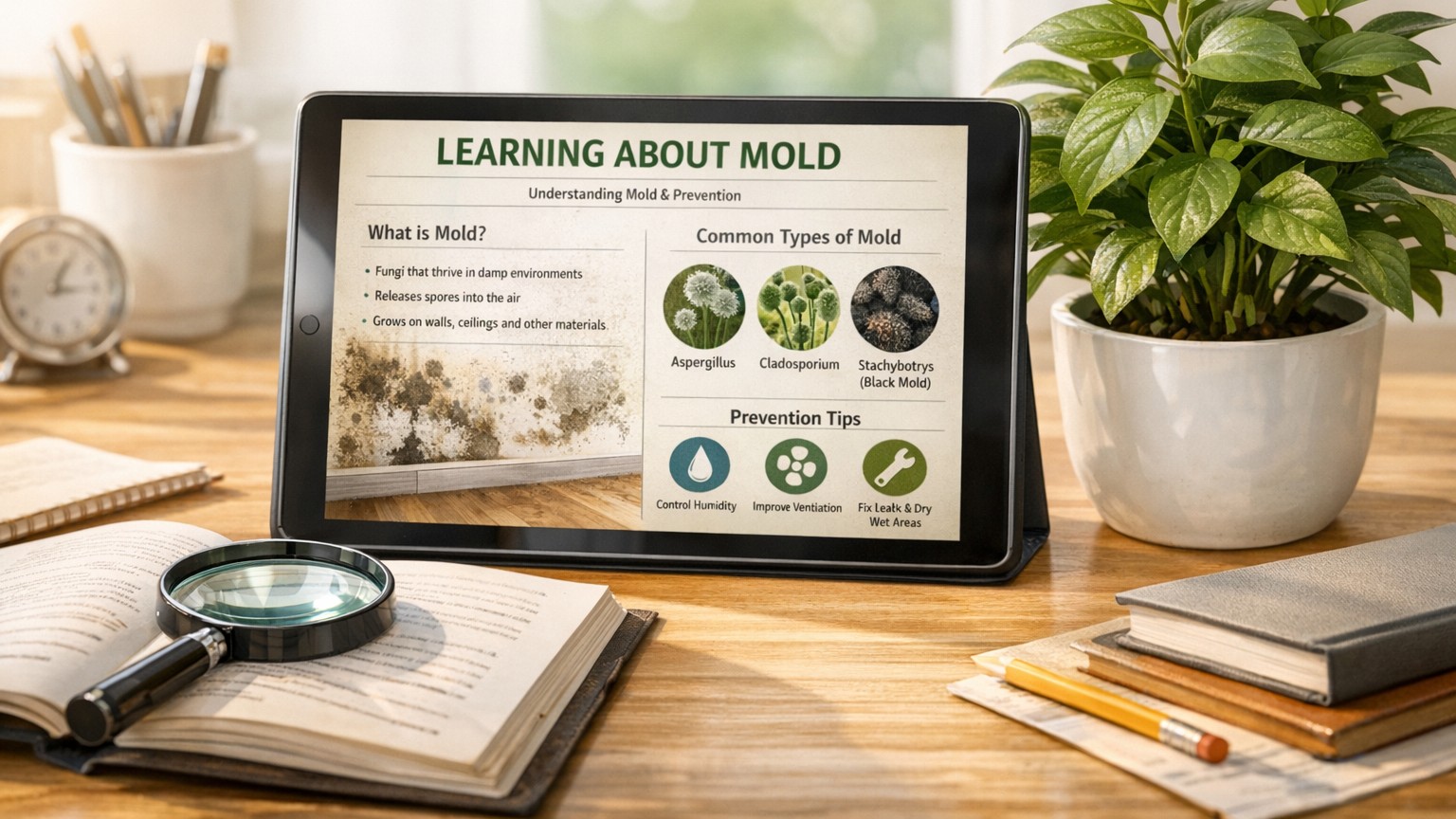
This Valentine's Day, consider giving your loved ones something more meaningful than chocolate: the gift of clean, healthy air. According to the EPA, Americans spend approximately 90% of their time indoors, where air pollutants can be 2 to 5 times higher than outdoor levels. Among these pollutants, mold is one of the most common—and most overlooked—threats to your family's health.
Poor indoor air quality doesn't just cause sniffles and sneezes. It can lead to serious respiratory issues, trigger asthma attacks, and create long-term health problems for everyone in your household—especially children, elderly family members, and anyone with existing respiratory conditions.
Why Indoor Air Quality Matters for Your Family
Your home should be a sanctuary, but hidden mold and moisture problems can turn it into a health hazard. The American Lung Association reports that approximately 47% of U.S. homes have mold or dampness, exposing millions of families to potential health risks.
Understanding the connection between mold and health is the first step toward protecting your family. Mold releases spores and mycotoxins that can cause a range of health effects, from mild allergic reactions to serious respiratory problems.
Signs Your Home May Have Air Quality Issues
Before you can improve your indoor air quality, you need to identify potential problems. Watch for these warning signs:
- Musty or earthy odors, especially in certain rooms or after rain
- Family members experiencing unexplained allergy symptoms at home
- Visible condensation on windows, especially in winter
- Peeling paint or wallpaper
- Staining on walls or ceilings
- Symptoms that improve when family members leave the house
If you notice any of these signs, it's worth investigating further. Mold often grows in hidden areas—behind walls, under flooring, or in HVAC systems—where it can affect air quality without being visible.
Room-by-Room Air Quality Checklist
Bedroom
You spend about a third of your life in the bedroom, making air quality here especially important. Mold in bedrooms often develops around windows due to condensation, in closets with poor ventilation, or near exterior walls.
- Check behind headboards against exterior walls
- Inspect closets for musty odors or visible growth
- Ensure adequate ventilation—open windows periodically even in winter
- Wash bedding weekly in hot water to reduce allergens
Bathroom
Bathrooms are ground zero for moisture and mold growth. Proper ventilation is critical.
- Run exhaust fans during and 20-30 minutes after showers
- Check caulking around tubs and showers for deterioration
- Look for mold in grout lines and behind toilets
- Keep shower curtains spread to dry after use
Kitchen
Kitcheng creates significant moisture. A single pot of boiling water can release a quart of water vapor into the air.
- Use range hoods when cooking
- Check under sinks for leaks
- Clean refrigerator drip pans regularly
- Keep counters dry and fix any slow drains
Basement
Basements are naturally prone to moisture problems due to their below-grade location. They require extra attention.
- Use a dehumidifier to maintain 30-50% humidity
- Check for water intrusion after heavy rains
- Ensure proper grading outside directs water away from foundation
- Inspect sump pump operation regularly
Humidity Control: The Key to Healthy Air
The CDC recommends keeping indoor humidity below 50% to prevent mold growth. During winter, achieving this balance can be tricky—heating systems dry the air, but we also seal our homes tight, trapping moisture from daily activities.
Invest in a hygrometer (humidity meter) to monitor levels in different rooms. Choose a current model with a readable display and use the readings to guide ventilation, dehumidification, and source control. Proper humidity control is one of the most useful ways to reduce moisture conditions that support mold.
HVAC Maintenance for Better Air Quality
Your heating and cooling system is the lungs of your home. If it's contaminated with mold, every time the system runs, it can spread spores throughout the entire house.
- Change HVAC filters every 1-3 months, more often if you have pets or allergies
- Have ducts inspected annually
- Ensure condensate drain lines are clear
- Consider upgrading to HEPA filters for better particle capture
When to Get Professional Help
While many indoor air quality improvements are DIY-friendly, some situations require professional assessment. Consider professional testing if:
- Family members have persistent respiratory symptoms
- You smell mold but cannot locate the source
- You have had recent water damage or flooding
- Mold covers an area larger than 10 square feet
Our DIY vs. Pro tool can help you determine whether your situation calls for professional intervention.
Give the Gift of Healthy Air
This Valentine's Day, the most meaningful gift you can give your family is a commitment to their health. Start by walking through your home with fresh eyes, looking for the warning signs we've discussed. Check those high-risk areas, test your humidity levels, and make a plan to address any issues you find.
If you discover problems that need professional attention, our Find a Pro directory can connect you with qualified mold professionals in your area. Your family's health is worth the investment.
A healthy home is a loving home. Start making improvements today.