
Unlock more guides and resources
Preventive Maintenance
A documented maintenance plan can help identify moisture early and support consistent records. Adapt the frequency and scope to the property, systems, lease, staffing, and state or local requirements:
Quarterly Inspections
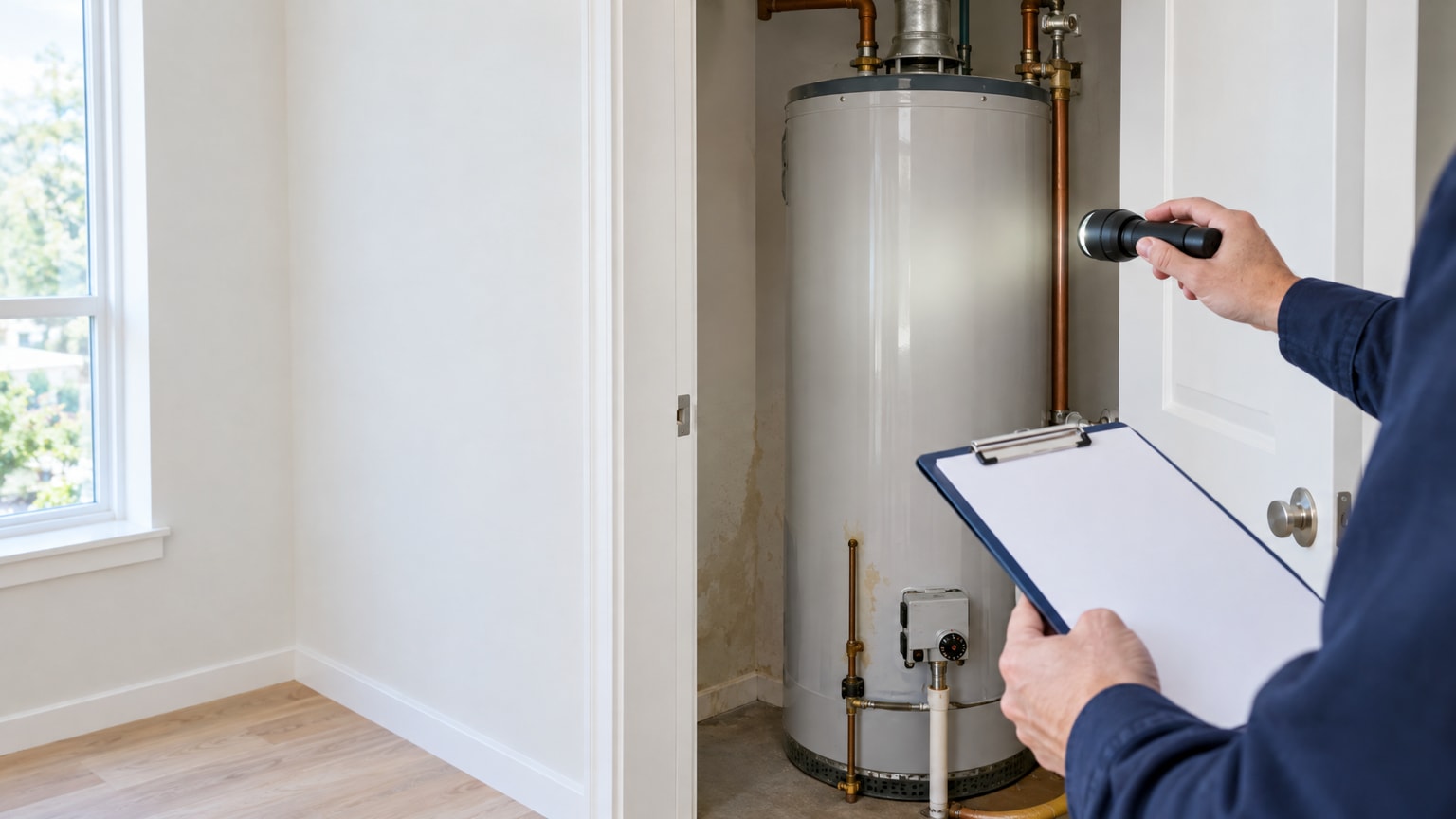
Check for leaks under sinks, around toilets, and near water heaters. Inspect HVAC condensate drains and drip pans.
Seasonal Checks
Inspect roofs and gutters before rainy seasons. Check weatherstripping and caulking. Verify bathroom fans function properly.
Annual Maintenance
HVAC servicing including coil cleaning. Dryer vent cleaning. Plumbing system inspection.
Between Tenants
Thorough inspection for water damage or mold. Check behind appliances and in closets. Document condition with photos.
Monitoring Tools
Proactive monitoring helps catch moisture issues before they become mold problems:
Smart Monitoring
- Water leak sensors under sinks and near water heaters
- Humidity monitors in basements and crawlspaces
- Smart HVAC monitoring for condensate issues
- Automated alerts for abnormal conditions
Regular Checks
- Portable moisture meters for inspections
- Humidity readings during turnover
- Visual inspection checklists
- Photo documentation systems
For moisture investigation and cleanup context, see the EPA building-investigation guidance and EPA cleanup guide. These sources do not replace local habitability, notice, access, or repair requirements.
Handling Tenant Mold Reports
Response Protocol
Limited, Accessible Conditions
- Address the moisture source when responsibility and access are clear
- Use the EPA cleanup guidance and appropriate trained staff or contractor
- Document conditions, scope, materials, and before/after observations
- Follow up for recurrence or unresolved moisture
- Communicate access and next steps with the tenant
Larger Issues
- Limit disturbance when hidden, HVAC, structural, or contaminated-water conditions are possible
- Consult an experienced remediator or building professional
- Get a written scope and local bid that separates repair, removal, containment, reconstruction, and verification
- Plan alternate access or temporary occupancy when work disrupts essential services or occupancy access
- Use an independent post-work assessment against the written scope, corrected moisture source, dryness, visible cleanliness, odor, and any defined sampling question
An independent post-work assessment does not establish resolution, absence of all mold, or a particular occupant health outcome. Use the EPA remediation-planning guidance for size and material context, and obtain professional and legal advice for the building and occupancy decision.
Documentation Best Practices
Consistent documentation helps managers, owners, contractors, tenants, and advisers understand what was observed and completed:
- Inspection reports: Use standardized forms for all inspections. Include dates, photos, findings, and recommended actions.
- Communication logs: Save all tenant communications about mold or moisture issues. Note dates, times, and response actions.
- Maintenance records: Document all preventive maintenance, repairs, and contractor work.
- Remediation documentation: Keep scopes, reports, invoices, moisture records, and any independent post-work assessment.
- Lease communications: Record notices, access, tenant reports, and instructions without asking tenants to waive rights.
Records show what was evaluated and completed; they do not establish a particular occupant health outcome. An assessment should state its written scope, corrected moisture source, dryness, visible cleanliness, odor, and any question-specific sampling, along with limitations.
Legal Considerations
Landlord Obligations
- Follow applicable habitability, notice, access, repair, and disclosure requirements
- Address moisture sources when responsibility is allocated to the owner or manager
- Respond according to the applicable standard and documented facts
- Check state, local, building, and health requirements for the property
- Ask counsel what condition information must be shared in a new transaction or tenancy
Risk Mitigation
- Maintain adequate insurance coverage
- Use experienced contractors within the written scope
- Document all response actions
- Keep current on state law changes
- Train staff to triage hazards and refer health questions to healthcare professionals
For damp-building health context, see the CDC asthma guidance and NIOSH health-problems overview. They do not establish causation, a landlord duty, or a remediation deadline for a particular property.
Common Questions
How quickly must we respond to tenant mold reports?
Can we require tenants to pay for mold remediation?
Should we include mold clauses in our leases?
When should we hire a professional remediation company?
How can we prevent mold problems proactively?
Official Resources
This is general educational information, not legal, medical, habitability, inspection, remediation, insurance, or financial advice. Notice, access, repair, disclosure, and occupancy duties depend on the jurisdiction, lease, property, contracts, and facts. Consult local counsel, qualified building professionals, insurers, and healthcare professionals as appropriate.