
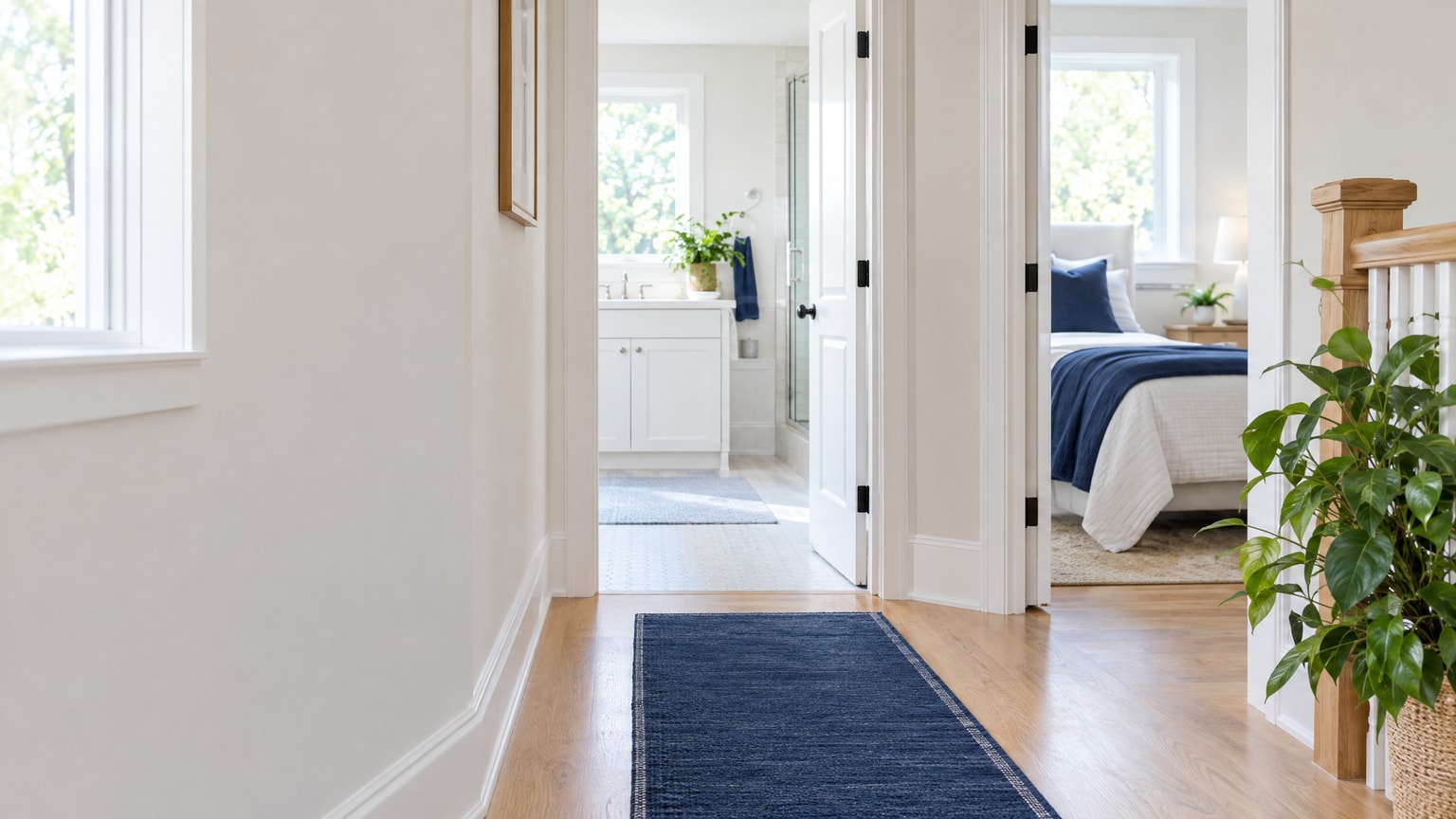
Bathroom Mold
The most common mold location in homes. Daily steam, poor ventilation, and frequent water contact create ideal growth conditions. Often surface-level and DIY-manageable, but persistent growth may signal hidden moisture problems.
Basement Mold
Below-grade spaces face unique challenges: foundation seepage, hydrostatic pressure, and condensation on cool walls. Basement mold often requires addressing the building envelope before remediation can succeed.
Crawlspace Mold
Ground moisture rising through bare earth, combined with poor airflow, creates persistent dampness affecting floor joists and subfloor. Crawlspace conditions directly impact indoor air quality above.
Attic Mold
Warm, moist air from living spaces meets cold roof decking, causing condensation. Roof leaks and bathroom fans venting into the attic compound the problem. Attic mold can affect air quality throughout the home.
Kitchen Mold
Hidden leaks under sinks, failing dishwasher connections, and refrigerator water lines create moisture behind cabinets. Cooking steam adds humidity. Always check behind appliances during inspections.
Bedroom Mold
Window condensation, furniture against cold exterior walls, and stagnant closet air create growth opportunities. Bedroom mold often indicates whole-house humidity issues or building envelope problems.
HVAC and Duct Mold
When mold colonizes your HVAC system, every time the system runs it distributes spores throughout your home. Condensation on cooling coils and dirty drain pans are common culprits.
Frequently Asked Questions
Which rooms are most likely to have mold?
Is bathroom mold different from basement mold?
Can mold in one room spread to others?
What if I see mold in multiple rooms?
Should I start with one room or a whole-home remediation plan?
Create a Free Account
Unlock member guides and room-by-room resources for finding and preventing moisture problems.
Educational content only. Significant mold issues may require professional assessment.