
Unlock more guides and resources
Initial Response
- 1
Acknowledge Receipt
Reply in writing (email is fine) confirming you received the report. This creates a documented timeline showing you didn't ignore the issue.
- 2
Triage Safety
Ask whether the report includes sewage or floodwater, wet electrical equipment, structural hazards, loss of an essential service, or a reported medical emergency. Use emergency services or qualified responders as appropriate before routine inspection.
- 3
Express Concern
Thank the tenant for reporting and state that you will investigate the building condition. Do not diagnose, promise a health outcome, or request more private health information than is needed for access or immediate safety.
During the Inspection
What to Look For
- Visible mold (document location and size)
- Musty odors
- Signs of water damage or staining
- Active leaks or moisture
- Condensation issues
- Ventilation problems
- Sewage, floodwater, electrical, gas, or structural hazards
- Access limits or building conditions that affect the investigation
What to Bring
- Camera or smartphone for photos
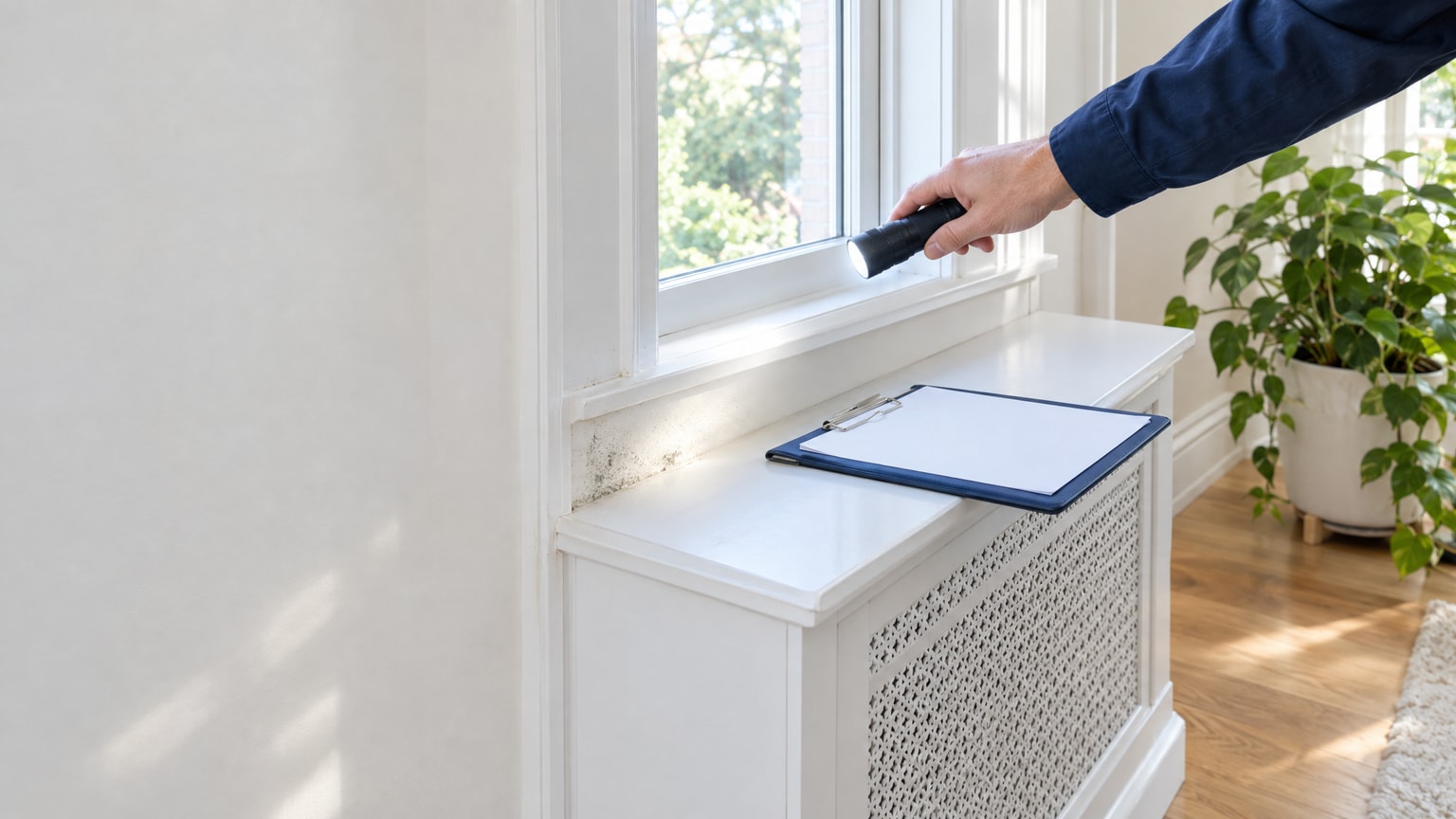
- Flashlight for dark areas
- Moisture meter (optional but useful)
- Notepad for documentation
- Measuring tape for sizing
Assessing the Situation
Routine Scope May Be Possible
- The source and affected materials can be assessed safely
- No sewage, floodwater, electrical, gas, or structural hazard is present
- No HVAC or inaccessible cavity is involved
- The proposed work is within training, equipment, and safe access limits
- The written scope and current local requirements allow the planned work
Serious Issues (Professional Help Needed)
- Sewage, floodwater, or water of unknown quality
- Wet electrical systems, gas hazards, or structural instability
- HVAC contamination, hidden cavities, or recurring moisture
- Loss of an essential service or a reported medical emergency
- No safe access, suitable equipment, or trained personnel
- A current local rule, insurer, or written scope calls for qualified help
A tenant's symptoms deserve respectful attention, but symptoms do not define the building scope or prove mold caused them. Encourage medical care for health concerns and use a qualified building professional to assess building conditions.
Taking Action
- 1
Fix the Moisture Source First
Mold will return if you don't address the underlying moisture problem. Repair leaks, improve ventilation, or address condensation issues.
- 2
Remediate Appropriately
For work within your training, equipment, and safe access limits, follow the written scope. Use qualified help when the work is hidden, extensive, hazardous, or beyond those limits.
Sample Operational Sequence
Optional Internal Service Targets (Not Legal Deadlines)
Use this sequence to organize work if it fits the property and team. It does not replace a current state or local deadline, required notice, lease term, order, or emergency response.
What NOT to Do
Avoid These Mistakes
- Ignoring or delaying response to the report
- Dismissing the tenant's concerns
- Blaming the tenant without investigation