
Unlock more guides and resources
Quick Answer
Encapsulation can work for non porous or semi porous materials after proper cleaning and drying. Removal is required when porous materials are contaminated or the structure is damaged.
Start with our guide on cleaning vs removal to decide what can be saved.
What Encapsulation Is
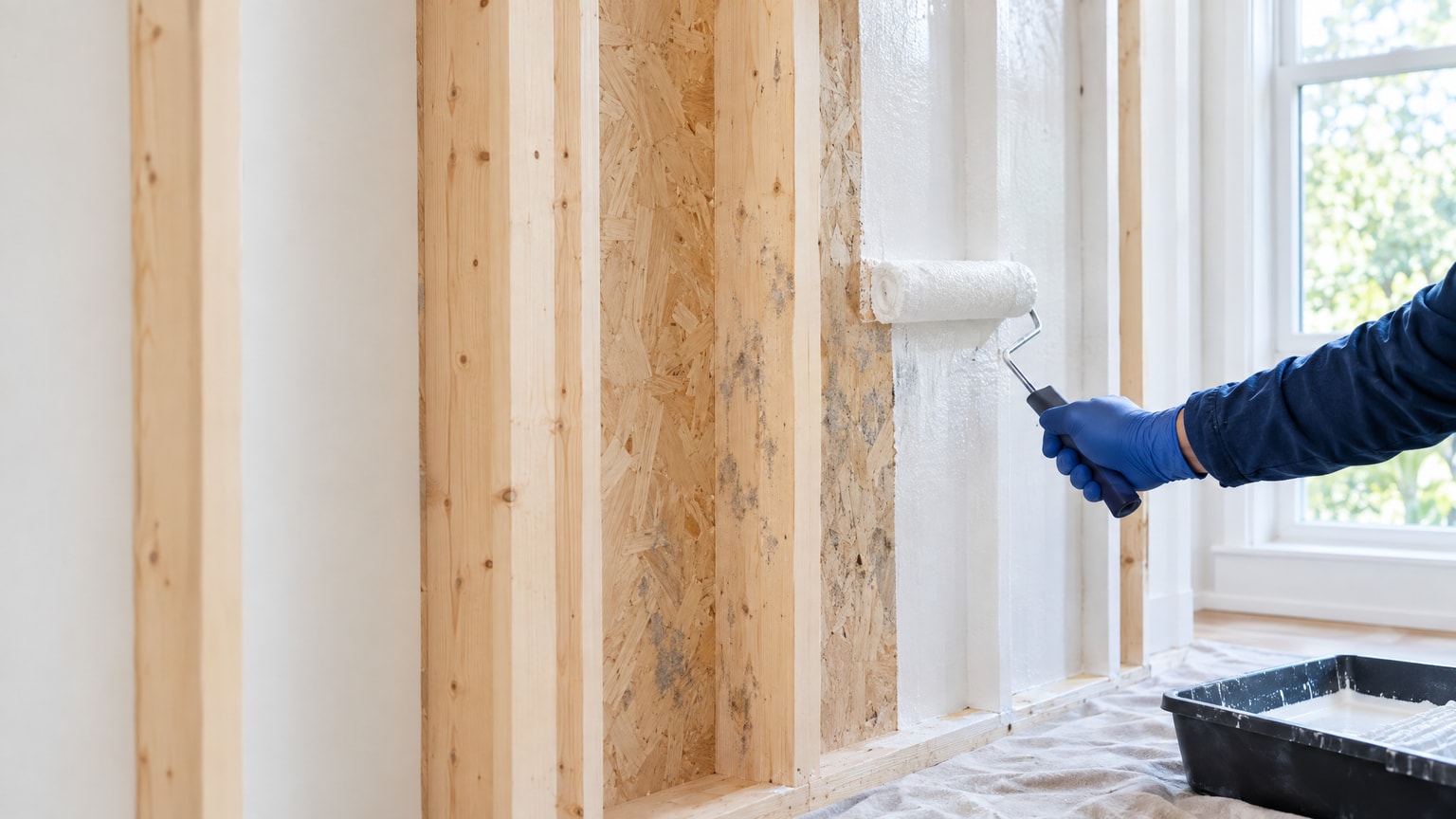
Encapsulation involves cleaning a surface, removing loose contamination, and applying a sealant or coating to lock in remaining residues and prevent future release.
- Used on cleaned wood or concrete surfaces
- Often paired with HEPA vacuuming
- Creates a barrier against future shedding
What Removal Is
Removal means physically taking out contaminated materials such as drywall, insulation, carpet, or ceiling tiles. It is required when mold has penetrated porous materials or the structure is damaged.
- Best for porous materials with visible growth
- Allows inspection of hidden cavities
- Often the safest long term choice
When Encapsulation Works
Good Candidates
- Solid wood framing that is structurally sound
- Concrete or masonry after thorough cleaning
- Areas with minor surface staining only
Poor Candidates
- Drywall, insulation, carpet, and soft materials
- Materials that remain damp or warped
- Areas with recurring water intrusion
When Removal Is Required
- Porous materials with visible growth or odor
- Hidden mold behind walls or ceilings
- Materials that cannot be fully dried
- Contamination after flooding or sewage events
After removal, follow post remediation verification steps when the scope is significant.