
Unlock more guides and resources
Why Species Identification Usually Doesn't Matter
Before diving into specific molds, an important point: the CDC explicitly states they do not recommend mold testing for health purposes, and the EPA says if you see or smell mold, you should clean it up regardless of type.
Species identification rarely changes what you need to do: fix the moisture source and remediate properly. For guidance on proper remediation approaches, see our remediation guide.
That said, understanding common molds can help you communicate with professionals, understand test results if you have them (see our guide on how to read results), and recognize that the mold in your home is likely something common rather than unusual.
All of these molds require the same basic approach: control moisture and remove the growth.
Aspergillus
Aspergillus is one of the most common and diverse mold genera, with hundreds of species. It is found worldwide and thrives in various conditions.
Appearance varies by species but commonly presents as powdery colonies in colors ranging from green and yellow to brown, white, or black.
Where it grows: HVAC systems, dust, damp walls, insulation, food, potting soil, and decaying vegetation. Water requirements are relatively low compared to some molds, meaning it can grow at moderate humidity levels. This is why keeping humidity in check is so important.
Health considerations: Most people inhale Aspergillus spores daily without effect. However, some species can cause aspergillosis in people with weakened immune systems (see our guide on vulnerable populations). Allergic bronchopulmonary aspergillosis (ABPA) can occur in people with asthma.
Common species include A. fumigatus, A. flavus, A. niger, and A. versicolor.
Penicillium
Penicillium is another extremely common indoor mold genus, with hundreds of species. It is perhaps best known as the source of the antibiotic penicillin (P. chrysogenum).
Appearance is typically blue-green to gray-green with a velvety or powdery texture. The name comes from the Latin for "brush," referring to the brush-like structure of its spore-bearing structures.
Where it grows: wallpaper, wallpaper glue, carpet, water-damaged building materials, food (especially bread, cheese, and fruit), and HVAC systems. It spreads rapidly and produces a characteristic musty odor. If you smell mold but cannot see it, our guide on musty smell without visible mold can help.
Health considerations: Penicillium can be an allergen for some people. Some species can produce mycotoxins under particular conditions, but finding the genus does not establish toxin production, dose, or illness. See our mycotoxins guide.
Common species include P. chrysogenum, P. expansum, and P. digitatum.
Cladosporium
Cladosporium is often the most abundant mold in outdoor air and is extremely common indoors as well. It is notable for its ability to grow at cooler temperatures than many other molds, as explained in our growth conditions guide.
Appearance is typically olive-green to brown or black, with a suede-like or powdery texture. Colonies often appear as dark spots.
Where it grows: on fabrics, wood surfaces, under sinks, inside HVAC systems, around windows especially where condensation forms, and on shower curtains. It can grow on painted surfaces and thrives on plant material. Its tolerance for cooler conditions helps explain why refrigerators and cold storage areas can develop mold problems.
Health considerations: Cladosporium is a common allergen and can trigger hay fever symptoms, asthma attacks in sensitized individuals, and skin rashes (see our guide on respiratory and allergic effects). Invasive infections are uncommon and usually limited to severely immunocompromised people.
Common species include C. cladosporioides, C. sphaerospermum, and C. herbarum.
Stachybotrys chartarum ("Black Mold")
Stachybotrys chartarum is the mold most often referred to as "black mold" or "toxic black mold," though many molds can appear black. For a complete discussion, see our black mold facts page. It has received outsized attention compared to how often it is found in typical homes and what is known about health effects.
Appearance is black or dark greenish-black with a slimy, wet texture when actively growing. When dry, it becomes powdery. It often grows more slowly than many other molds.
Where it grows: it prefers high-cellulose, low-nitrogen materials such as drywall paper, ceiling tiles, cardboard, paper, and wood products. It requires significant, sustained moisture (chronic water damage) rather than brief wetness. This is why rapid response to leaks is so important.
Why the "toxic" reputation: Stachybotrys can produce mycotoxins under some growth conditions. Finding the organism does not prove that a toxin was produced or that a harmful dose was inhaled; systemic toxicity from typical indoor inhalation is not established. See our mycotoxins guide.
Health considerations: Stachybotrys should be handled with the same moisture-control and removal principles as other indoor mold. Color and species do not provide a health-risk ranking. See our remediation guide.
Alternaria
Alternaria is one of the most common outdoor molds and a significant allergen. It is often found indoors in areas with water damage.
Appearance is dark green, brown, or black with a woolly or fluffy texture. Under microscopy, its spores have a distinctive club-like shape.
Where it grows: around windows, in showers and bathtubs, under sinks, in HVAC systems, and on any water-damaged surfaces. Outdoors, it is abundant on plants, soil, and decaying organic matter.
Health considerations: Alternaria can act as an allergen in sensitized people and may be associated with asthma symptoms. A genus or species result does not establish that it caused an individual's symptoms or rank the health risk. Invasive Alternaria infection is uncommon and is mainly a concern in people with substantial immune suppression.
Commonly reported species include A. alternata and A. brassicicola.
Chaetomium
Chaetomium is a common water damage indicator that thrives on wet cellulose materials, similar to Stachybotrys. Its presence often indicates chronic moisture problems. Consider professional assessment for larger areas or repeated issues.
Appearance starts white or gray and darkens to brown or olive-green with age. It has a distinctive musty or earthy odor. If you notice this smell but cannot see mold, see our guide on hidden mold.
Where it grows: drywall, wallpaper, cardboard, wood, and other cellulose materials with chronic water damage. Often found alongside or instead of Stachybotrys in water-damaged buildings, particularly in basements and areas with ongoing leaks.
Health considerations: Like other molds, Chaetomium produces allergens and can cause respiratory symptoms. Some species produce mycotoxins. It is less studied than some other indoor molds but follows the same remediation principles.
How Molds Are Identified
When mold identification is warranted, several methods exist. See our testing guide for comprehensive information on when and how to test.
Visual examination looks at color, texture, and growth patterns, but visual identification is unreliable since many molds look similar to the naked eye.
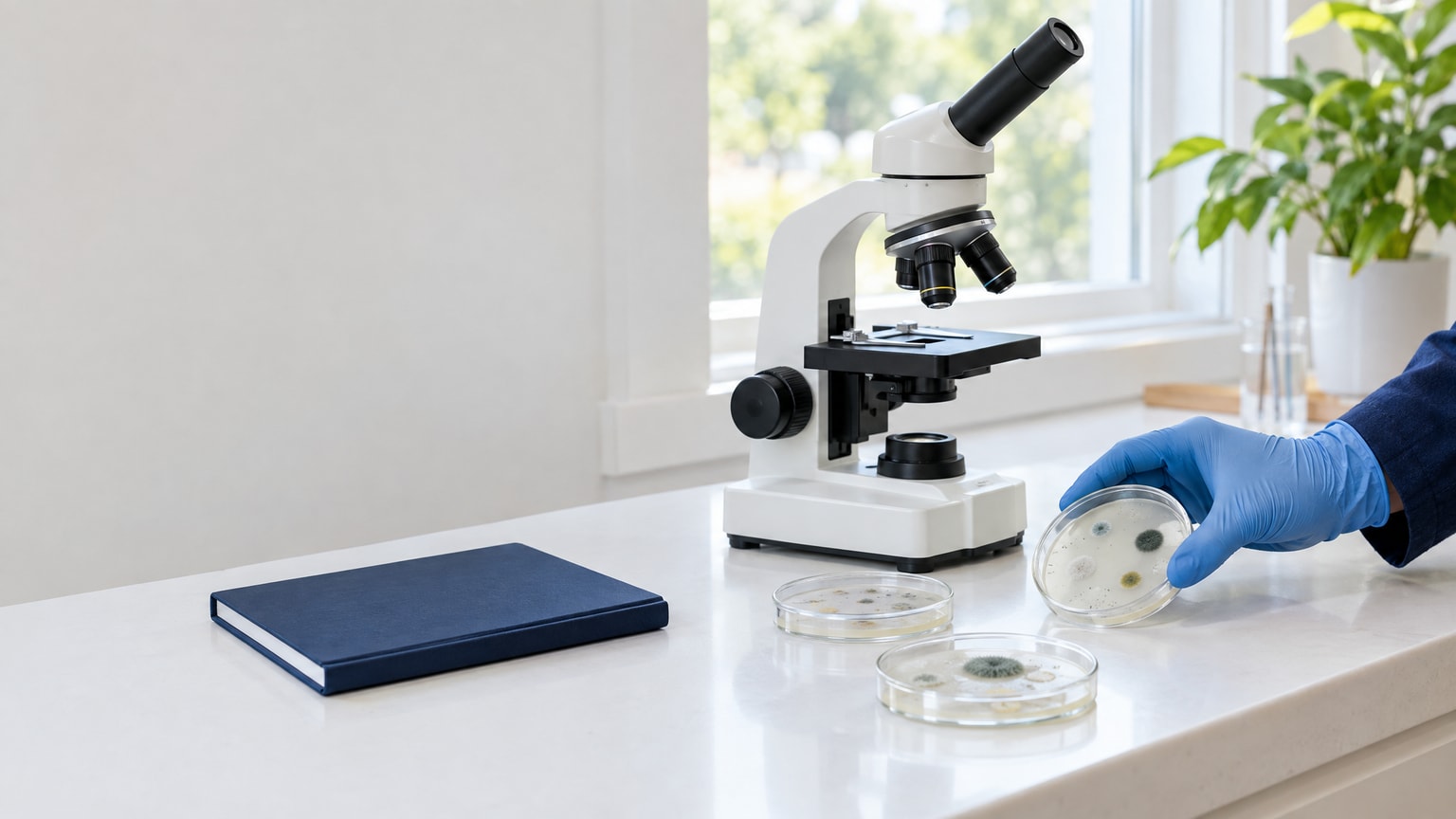
Microscopic examination involves collecting samples (air, surface, or bulk) and examining spore and hyphal structures under a microscope, which is the most common professional method. See air sampling and surface sampling for details.
Culture analysis grows samples on specific growth media to identify species through colony characteristics, which takes longer but can provide more detailed identification.
Molecular methods detect selected fungal DNA targets. What they identify depends on the assay and sample; an ERMI result does not establish exposure or safety, and EPA does not recommend ERMI for routine home use.
Many reports identify fungal structures only to a genus or group such as “Aspergillus/Penicillium.” The useful level of identification depends on the project question, and no taxonomic label supplies a health threshold. Learn how to interpret test results.
Official Resources
Educational content for general understanding. Species identification should be done by qualified professionals when needed.