
Guides in This Topic
Encapsulation vs Removal
Understand encapsulation versus removal for mold. Learn when each approach works, risks, and how to decide safely.
Mold on Drywall
When moldy drywall can be cleaned vs. replaced. Covers surface vs. deep growth, cut-and-replace steps, and texture matching.
Mold in Carpet
Decide whether carpet or padding should be dried, cleaned, or removed using water category, growth, material condition, access, odor, and drying records.
Mold on Wood
How to remediate mold on wood studs, joists, and framing. Covers cleaning methods, sanding, wire brushing, encapsulation, and S520 categories.
Mold on Concrete
Remediation guide for mold on basement concrete floors, walls, and foundations. Covers efflorescence vs. mold, cleaning methods, sealing, and moisture control.
HVAC Cleaning vs HVAC Replacement
Decide between HVAC cleaning and replacement after mold. Learn when cleaning is enough, when replacement is safer, and what to verify.
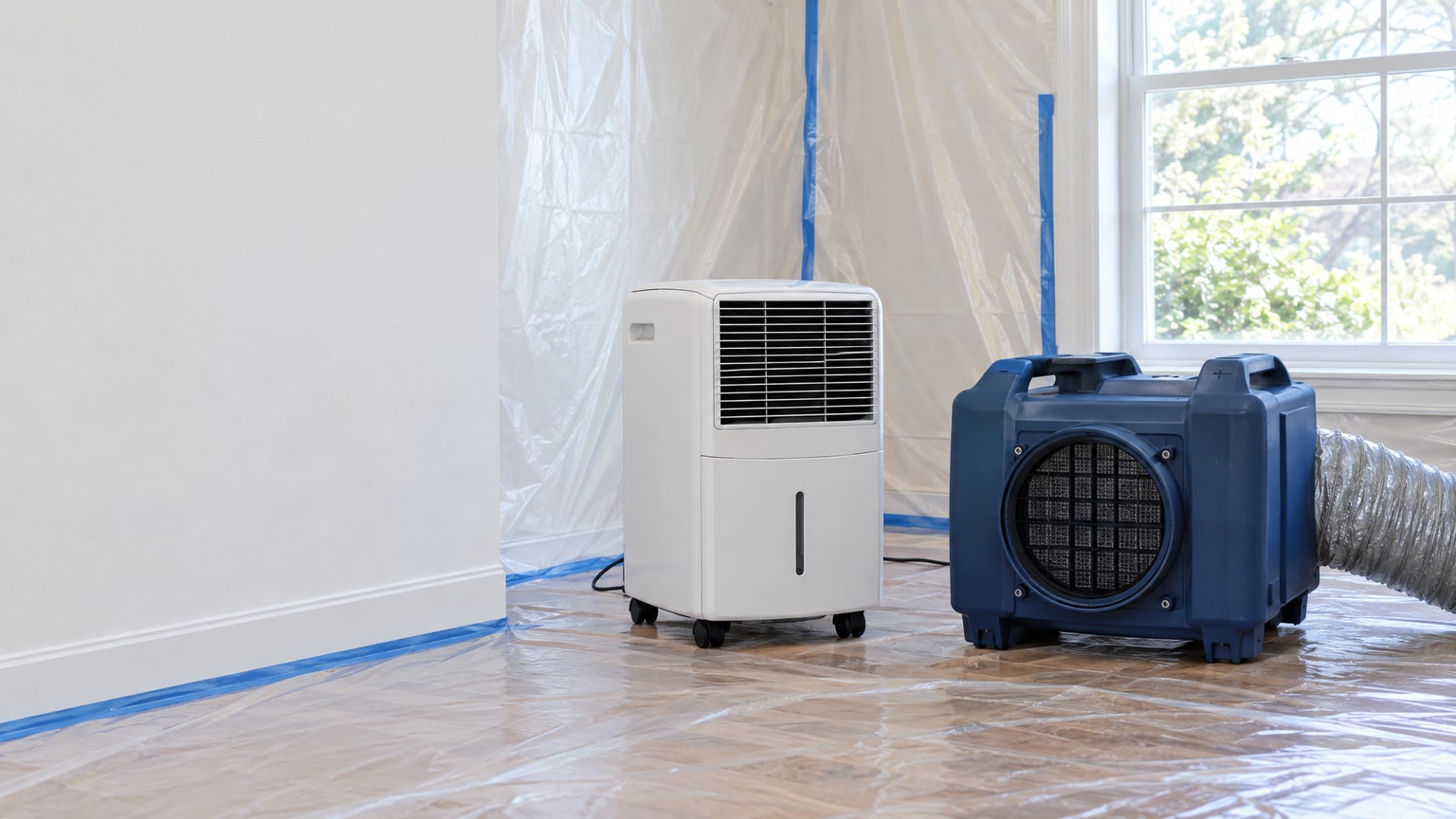
This guide explains the main parts of professional mold remediation and uses ANSI/IICRC S520-2024 and public-health guidance as reference points. The correct plan depends on the size and location of the damage, the water source, the materials involved, occupant vulnerabilities, and applicable law. Start by deciding whether to DIY or hire a professional, then use these pages to understand work-area isolation, equipment, cleaning versus removal, material-specific approaches, and verification before rebuilding.
Create a Free Account
Create a free account to unlock member guides and resources on this site.
Frequently Asked Questions
What equipment is used in professional mold remediation?
How does containment work?
When can mold be cleaned versus when must materials be removed?
What is post-remediation verification?
How do I handle mold in HVAC systems?
Should I DIY or hire a professional?
Why is independent verification important after remediation?
Educational content only. Remediation guidance is general; consult professionals for your specific situation.