
Unlock more guides and resources
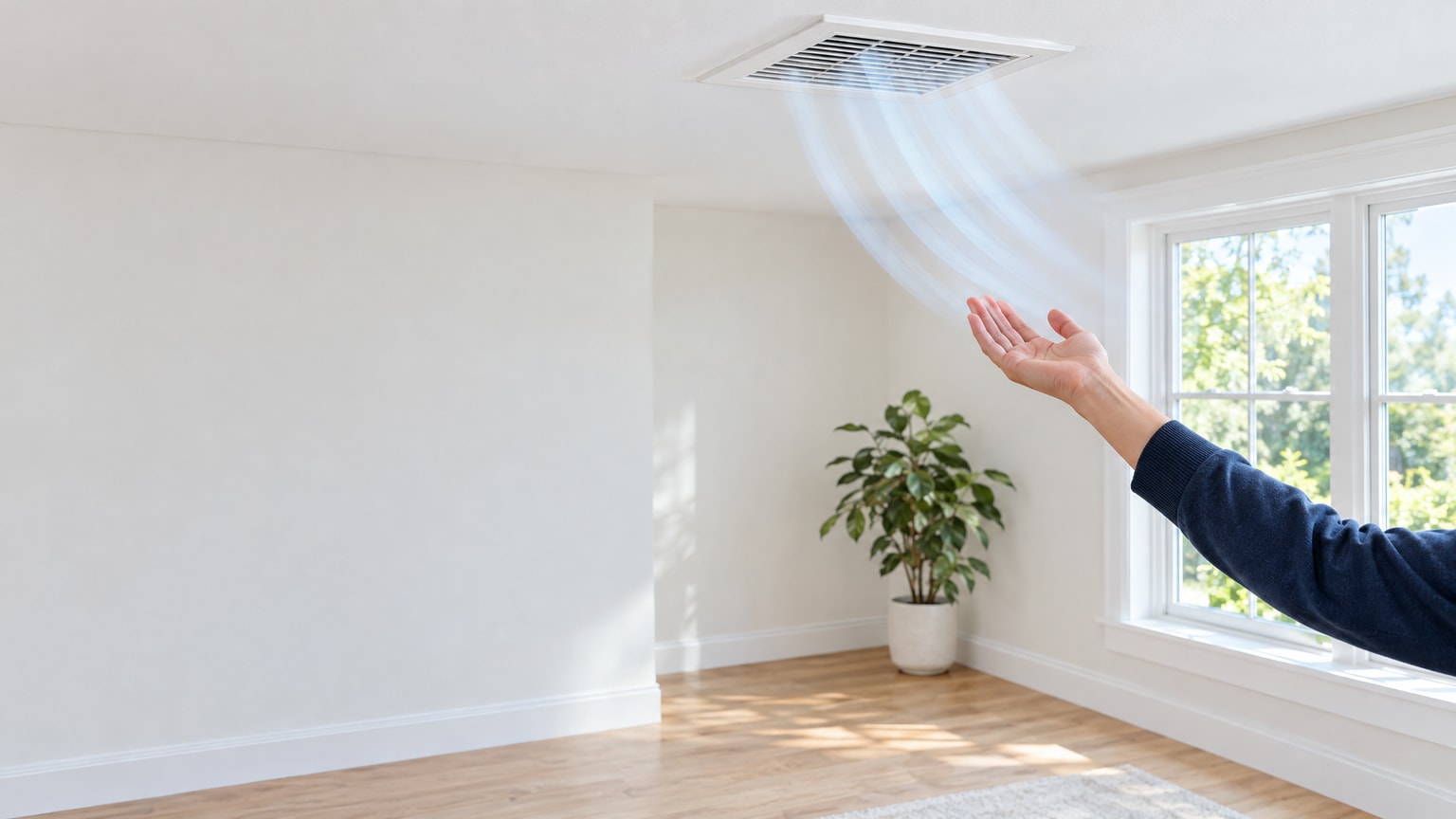
Why Ventilation Matters
Moisture control starts with the source. Exhaust ventilation can carry shower, cooking, and laundry moisture outdoors, while dilution ventilation exchanges indoor air with outdoor air only when weather and air quality make that appropriate. Neither approach is the same as dehumidification, and a portable fan that only circulates air does not remove water from the home.
Source Exhaust and Dilution Ventilation
Source exhaust captures moisture where it is generated, such as a bathroom fan or range hood vented outdoors.
Dilution ventilation brings in outdoor air to dilute indoor pollutants when outdoor temperature, humidity, pollution, and pollen conditions allow.
Dehumidification and Air Circulation
Dehumidification removes water from indoor air through air-conditioning or a dehumidifier and is often the better control when outdoor air is warm and humid.
Air circulation moves air across surfaces and through stagnant spaces. It can support drying after a clean leak, but it does not lower the total moisture load on its own.
EPA's indoor-air-quality guidance puts source control first, then ventilation when outdoor conditions are safe and suitable. Use the humidity control guide to measure the result rather than assuming that more airflow always means less humidity.
Bathroom and Kitchen Fans
Bathroom and kitchen exhaust are source-control tools: they should capture moisture near the activity and send it outdoors. Confirm where each fan discharges; venting into an attic, crawlspace, or wall cavity simply moves the moisture to another building area.
- Run bathroom fans during and after showers
- Use a range hood that vents outdoors when cooking
- Make sure fans vent outdoors, not into attics
- Vent clothes dryers outdoors and keep the exhaust path clear
- Clean fan covers and grilles regularly
A recirculating hood may filter some particles and grease, but it does not exhaust cooking moisture outdoors. If steam or condensation remains after the fan runs, check the discharge path, reduce the moisture source, and measure the room humidity before adding a circulation fan.
Whole Home Airflow
Balanced Airflow
- Keep interior doors open when practical, or maintain transfer and return paths
- Allow supply and return paths to work
- Avoid blocking vents with furniture
- Do not use a flooded or suspected-contaminated HVAC system until it has been checked
Humidity Control
- Use hygrometers in rooms where moisture or condensation occurs
- Aim for 30 to 50 percent relative humidity when practical and stay below 60 percent
- Add dehumidification in damp spaces
- Compare readings over time, not only a single hallway reading
Prevent Condensation
Condensation forms when humid air hits a surface that is cold enough for water vapor to turn into liquid. Ventilation works best when combined with temperature control and moisture reduction. Measure humidity in the room where condensation appears; a comfortable reading elsewhere in the home can miss a cold corner, pipe, or exterior wall.
- Vent clothes dryers, range hoods, and bath fans outdoors
- Insulate cold surfaces that collect condensation
- Use dehumidifiers in damp rooms
- Warm cold rooms and improve air movement near cold surfaces
- Reduce indoor moisture before relying on a portable fan
Spot Ventilation Tips
- 1
Dry laundry without adding indoor moisture
Use a dryer vented outdoors or a well-ventilated drying space, and watch the nearby humidity rather than assuming clothes are dry because the room feels comfortable.
- 2
Open windows strategically
Bring in outdoor air only when it is suitable and drier for the building. Avoid opening windows during extreme humidity, pollution, or high pollen.
- 3
Use portable fans for circulation
Move air through clean, damp spaces and across materials after the moisture source is controlled. A fan alone does not dehumidify, and it should not blow across visible mold or contaminated water.
EPA's mold prevention course recommends increasing ventilation when outdoor air is cold and dry, but dehumidifying when outdoor air is warm and humid. During flood cleanup, CDC recommends positioning fans to blow outward after it is safe to enter and use equipment.
Maintenance and Upkeep
- Replace HVAC filters on the manufacturer schedule and keep them dry
- Clean bathroom fan grilles every few months
- Verify bath fans, range hoods, and dryers discharge outdoors
- Inspect HVAC condensate pans and drain lines for standing water
- Inspect duct connections for loose joints
- Monitor humidity in high risk rooms