
Unlock more guides and resources
Why Seasonal Planning Helps
Humidity and water exposure change throughout the year. Addressing small issues each season prevents major mold problems.
Spring Checklist
- Inspect gutters and downspouts after winter storms
- Check basements for seepage after heavy rains
- Inspect attic and roof decking for new stains
- Test sump pumps and drainage systems
Summer Checklist
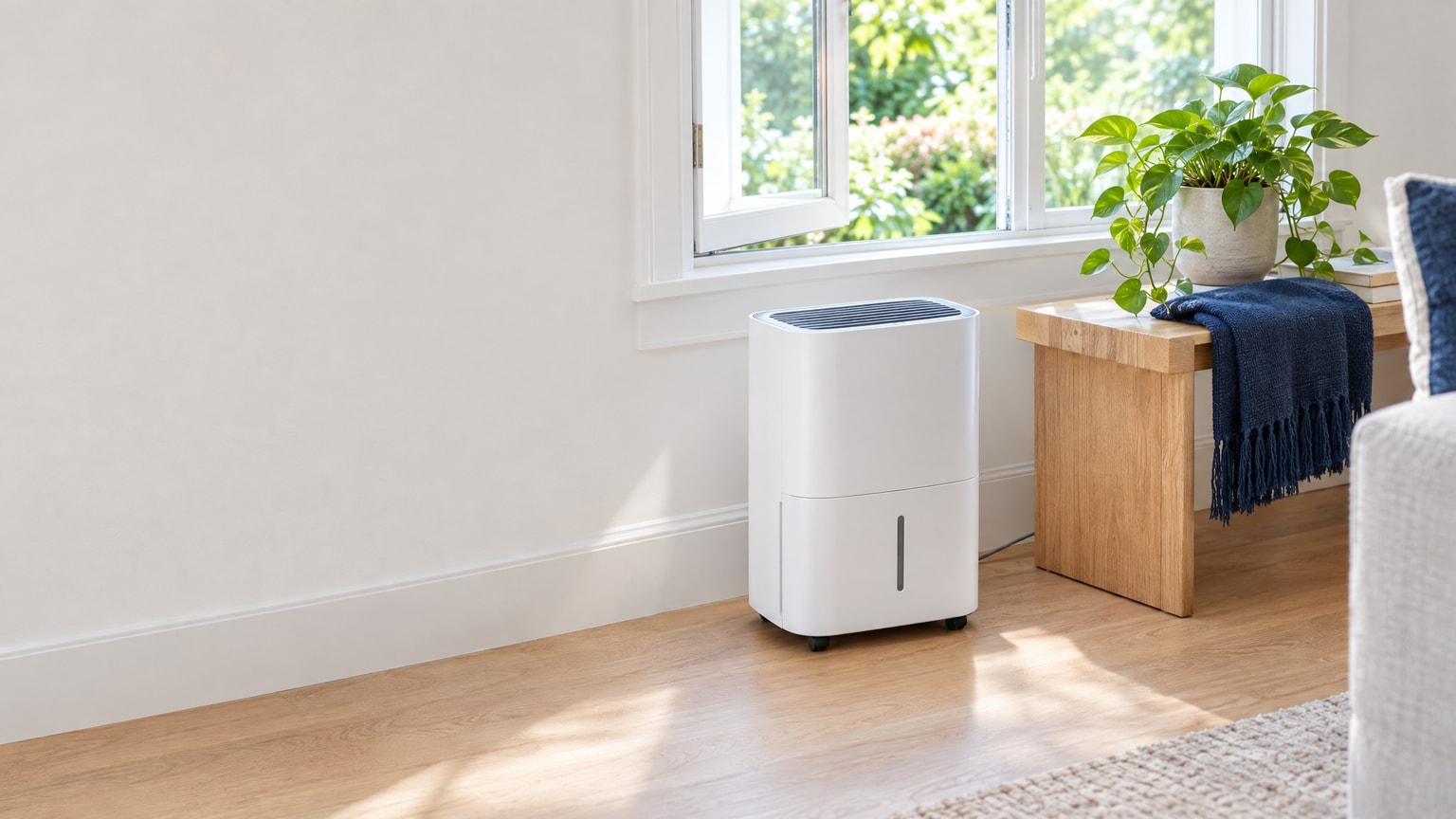
- Run dehumidifiers in basements and crawlspaces
- Inspect HVAC condensate lines for clogs
- Monitor indoor humidity during heat waves
Fall and Winter Checklist
- Seal air leaks in attics before cold weather
- Inspect roof flashing and attic ventilation
- Check for condensation on windows
After Storms and Leaks
Fast response helps limit damage, but a clean plumbing leak is not the same event as stormwater or floodwater. Classify the water and clear hazards before choosing any extraction or drying step.
Confirmed clean supply leak
- Stop the source from a safe location and keep people and pets away from the work area
- After the safety gate is cleared, remove standing water and dry wet materials with equipment appropriate to the confirmed clean-water event, safe power, access, and controls
- Treat EPA's 24-48 hour guidance as a prompt-drying target; if it is missed, investigate persistent wetness, swelling, staining, odor, or hidden assemblies rather than assuming mold is present
- Document the source, affected materials, work performed, moisture readings, visible conditions, and unresolved questions
Storm, flood, drain, sewage, chemical, or unknown water
- Keep people and pets out of the affected area and do not enter standing water
- Do not extract, run fans or dehumidifiers, open cavities, or run HVAC until qualified help confirms the water category, power, access, and controls
- Arrange the appropriate emergency responder, utility, licensed trade, or qualified cleanup professional for the hazard and water category
- Do not treat PPE, a wet vacuum, pumps, fans, or other equipment as a substitute for qualified controls