
Unlock more guides and resources
First Steps: What to Do Right Now
Common Situations
- Landlord Won't Fix Mold What to do when your landlord ignores or refuses to address mold problems.
- Breaking a Lease When and how you might be able to terminate your lease due to mold issues.
- Retaliation Protection Your rights if your landlord retaliates after you report mold.
- Documentation Guide How to properly document mold for legal and insurance purposes.
Find Your State's Laws
Understanding Your Rights
What Landlords May Be Required to Do
- Maintain habitable premises when required by applicable law
- Address known moisture sources when the landlord is responsible
- Respond to repair requests within the applicable standard
- Follow local health and safety codes if they apply
- Avoid unlawful retaliation after a protected report
What You Should Do
- Report issues promptly in writing
- Allow access for inspections/repairs
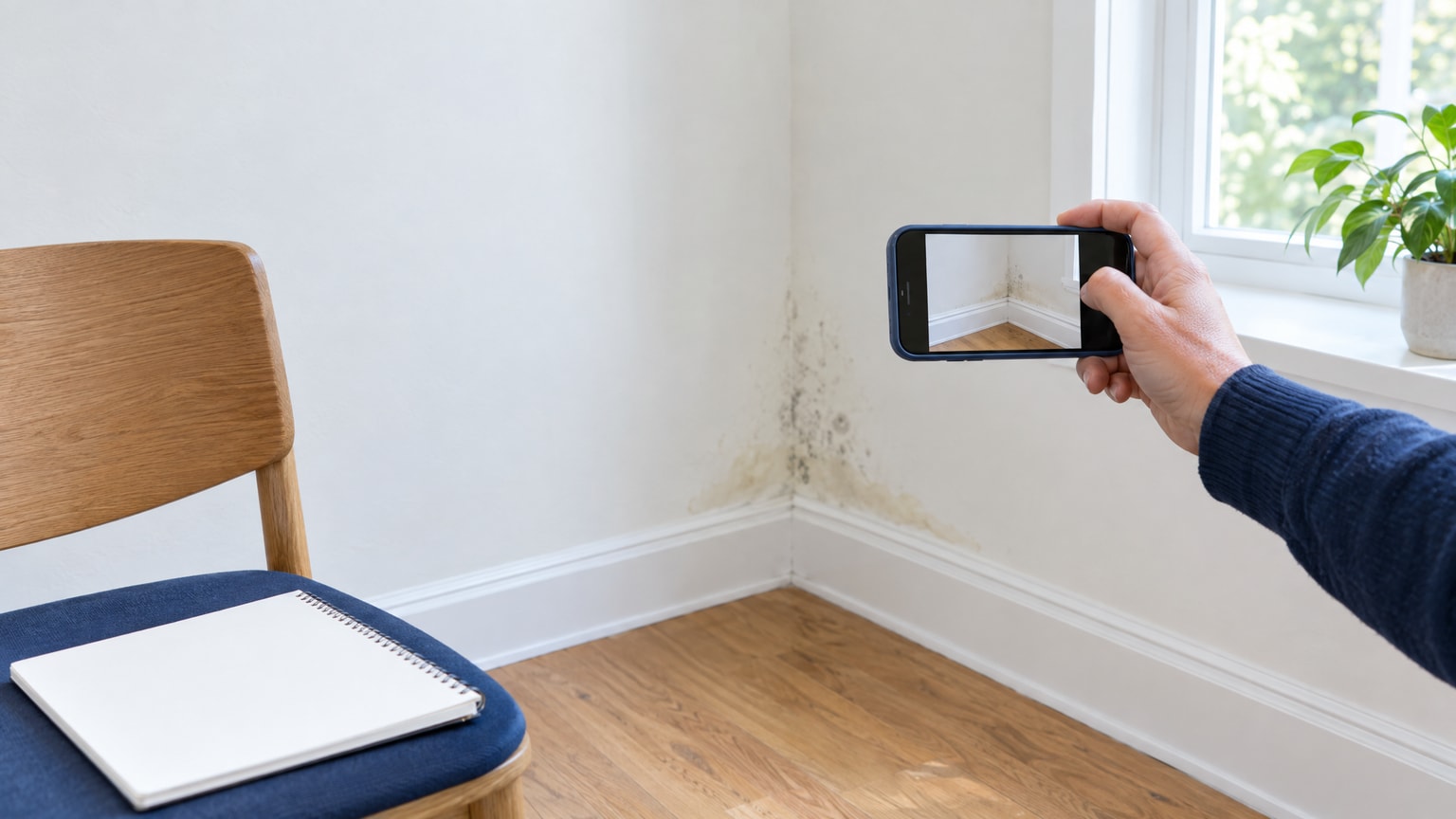
- Document everything thoroughly
- Keep copies of all communication
- Follow the notice and escalation procedures that apply locally
Escalation Options
If your landlord does not respond appropriately, you may have options depending on your location, the facts, and the steps you have already taken:
Code Enforcement
Ask your city or county building or housing office whether it accepts complaints about the condition you documented and what inspection process applies.
Health Department
Availability varies. Ask your local or state health department whether it offers housing or moisture inspections, and what it can and cannot determine. A health or code inspection is not available everywhere.
Legal Resources
Contact a tenant-rights organization, legal-aid office, or landlord-tenant attorney for advice about notice, rent remedies, retaliation, or lease termination in your jurisdiction.
Photos and symptoms can help document what happened, but symptoms alone do not prove that a building caused them. Professional sampling is not a universal prerequisite for reporting a moisture or habitability concern; ask a local advisor what evidence matters for the decision you are considering.