Mold Compass Free mold guidance and practical resources
Humidity control tools for mold prevention

Prevention

Moisture and Ventilation

Humidity, ventilation, and condensation are related but not interchangeable. Measure first, exhaust moisture at the source, and use the EPA's condition-based guidance to decide when outdoor air or dehumidification fits.

Frequently Asked Questions

What is the most important ventilation rule at home?
Use exhaust at the source: run a correctly terminated kitchen hood or bath fan during and after moisture-generating activity. Exhaust should discharge outdoors, not into an attic, crawlspace, wall cavity, or another room. A portable circulation fan can move air but does not remove moisture. For the distinction between source exhaust, outdoor-air ventilation, and dehumidification, see EPA Mold Course Chapter 9.
Should I install a whole-home dehumidifier if I already have room units?
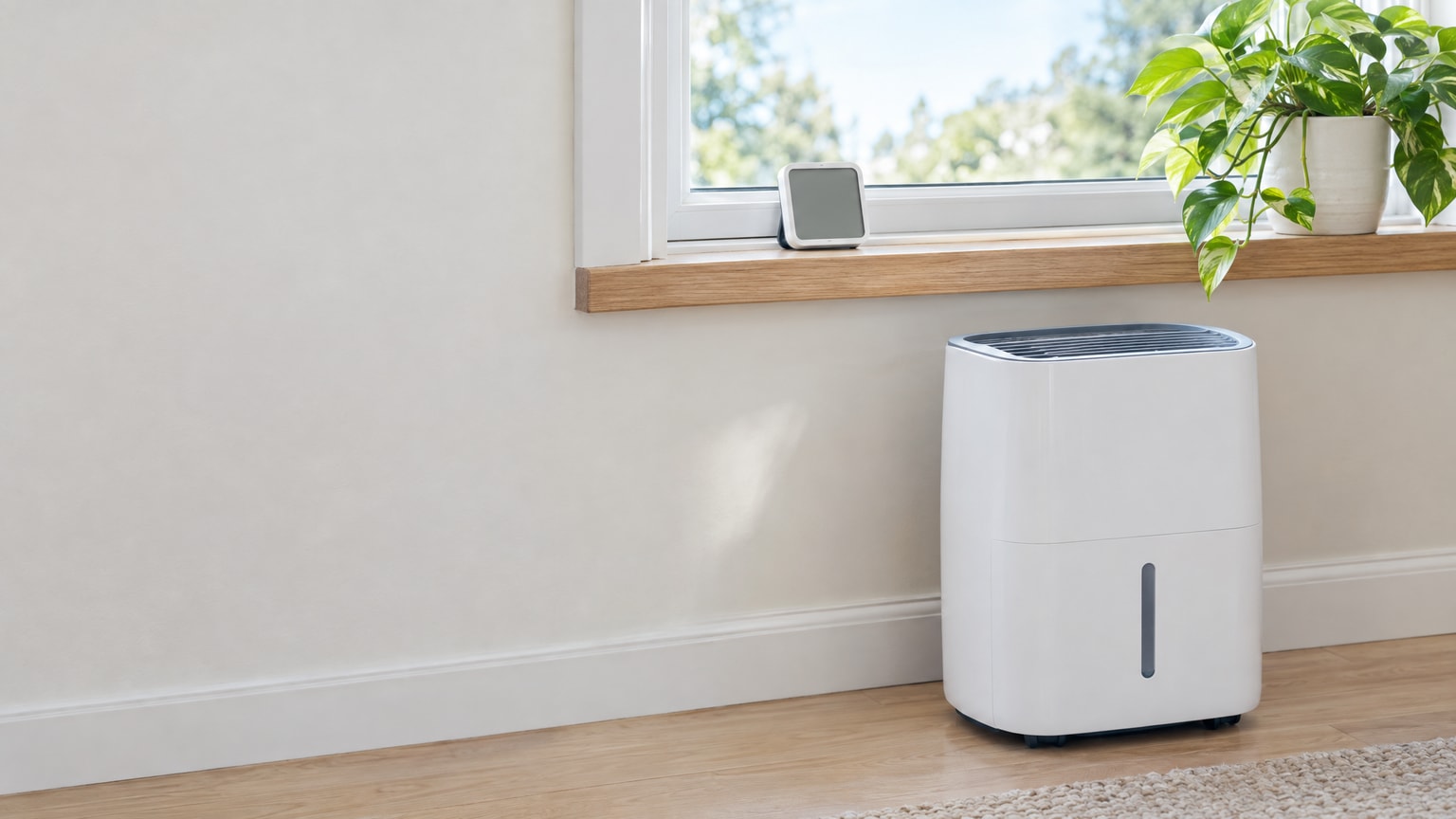
Not automatically. Room units can address a measured, localized problem; a whole-home system may fit a recurring, building-wide humidity pattern after the source and distribution have been assessed. Compare readings across rooms and seasons, correct leaks and exhaust problems first, and use EPA's condition-based guidance before scaling up.
How do I address condensation on windows and pipes?
Treat condensation as a clue, not a diagnosis. Record indoor humidity and where and when water appears, then check surface temperature, insulation, air leakage, and nearby moisture sources. Lower humidity or improve the cold surface as the evidence supports it. Air circulation may reduce a local surface difference, but a fan alone does not remove the water vapor. See window condensation guidance for the troubleshooting path.
When does outdoor-air ventilation help?
Outdoor air can help when it is relatively cold and dry and the ventilation path is safe and effective. It can make conditions worse when outdoor air is warm and humid or carries high pollution or pollen. EPA Mold Course Chapter 9 points to dehumidification in warm, humid conditions, and EPA's biological-contaminants guidance cautions against relying on outdoor air during extreme humidity or poor outdoor air quality.
What should I do after a leak?
Start with safety and source control, then identify whether the water was from a clean plumbing supply, a drain or sewage line, a flood, or an unknown source. Dry accessible materials promptly and check whether moisture remains. Use the after a leak guide; 24 to 48 hours is a drying response target, not a guarantee or an automatic testing trigger.

Create a Free Account

Unlock member guides and resources for humidity, ventilation, condensation, and leak response.

What's your situation?
State

No spam, ever. Unsubscribe anytime.

Educational content only. Building-specific advice may require professional consultation.