
Unlock more guides and resources
Common Overflow Scenarios
- Toilet clogs or failed flappers
- Tub or sink left running
- Broken supply lines under sinks
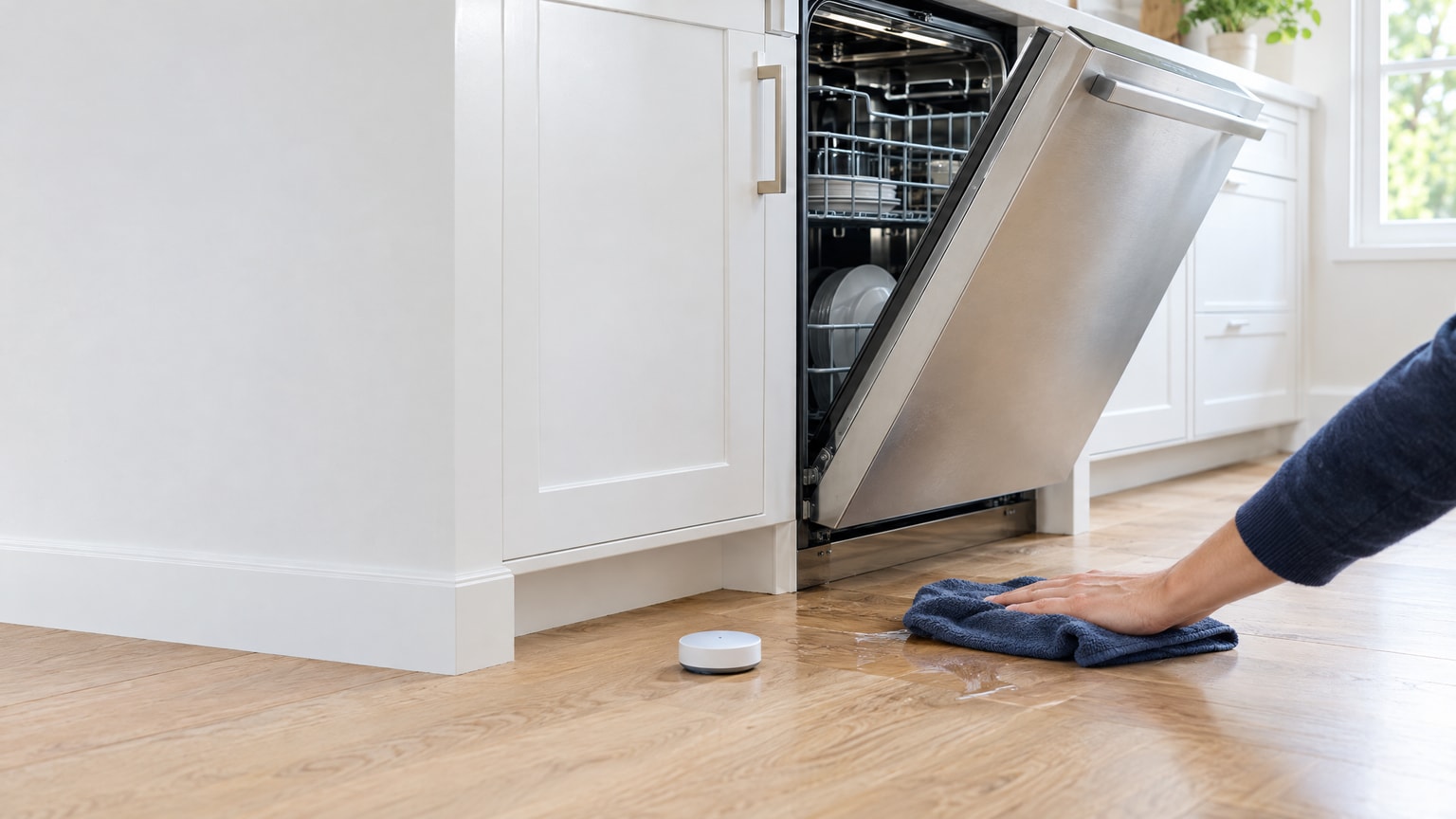
- Overflows from appliance drains
First 24 Hours
- 1
Stop the water from a safe location
Shut off supply valves only when you can reach them without entering water or crossing an electrical, gas, structural, access, or contamination hazard.
- 2
Remove standing water only when appropriate
For confirmed clean supply water with safe power and access, use equipment suited to the conditions; otherwise keep people out and arrange qualified cleanup.
- 3
Increase airflow only after the safety gate is cleared
Use fans or dehumidifiers only when power, access, water category, and airflow controls are safe and appropriate, and do not use HVAC when contamination is suspected.
Preventing Repeat Events
- Install water leak detectors near fixtures
- Replace old supply lines and valves
- Avoid leaving water running unattended
- Clean drains regularly to prevent clogs
Contaminated Water Risks
Some overflow events involve contaminated water. In those cases, professional cleanup is often safer than DIY drying.
- Sewage backups and toilet overflows can carry pathogens
- Porous materials may need removal instead of drying
- Do not handle waste water as a DIY cleanup based on PPE or equipment alone; arrange qualified cleanup for contaminated or unknown water
- Consult a qualified professional for large, repeated, contaminated, or uncertain events