
Choose Your Next Remediation Step
Decide Between DIY and Professional Help
Use the affected area, materials, water source, hidden damage, HVAC involvement, hazards, and occupant risk to choose a path.
Build and Compare a Written Scope
Define repairs, work boundaries, material decisions, documentation, change orders, and completion criteria before work starts.
Understand Containment and Cleanup
See how work-area controls, equipment, removal, cleaning, and material-specific decisions fit the project plan.
Choose Cleaning or Removal
Compare material porosity, damage, access, condition, and the written scope before deciding what can remain.
Vet Contractors and Quotes
Check qualifications, insurance, conflicts, scope details, exclusions, and completion terms before signing.
Verify the Work Before Rebuilding
Check moisture correction, dryness, completed scope, visible cleanliness, odor, and any agreed project-specific testing.
The Mold Remediation Process
Mold remediation is not one universal treatment. The plan should change with the moisture source, affected area, damaged materials, hidden growth, HVAC involvement, water contamination, work hazards, and the people who may be exposed. EPA's remediation guidance uses the same core sequence: assess the problem, plan the work, correct moisture, clean or remove affected material, and check the result.
- Protect people and stop the water. Address electrical, structural, sewage, floodwater, or other immediate hazards before disturbing material. Stop the leak or humidity source and document what happened. For a recent clean-water event, start with the after-a-leak response guide.
- Define the actual extent. Record visible growth, odors, moisture readings, affected materials, and likely hidden areas. Size matters, but so do hidden damage, HVAC involvement, contaminated water, structural hazards, and occupant vulnerability.
- Choose DIY or professional handling. Use the DIY versus professional guide to evaluate the whole situation. If outside help is appropriate, compare qualifications, insurance, conflicts, and relevant state requirements with the contractor-vetting tool.
- Put the plan in writing. A useful scope of work identifies the moisture repair, work boundaries, materials to clean or remove, occupant and contents protection, equipment, change-order rules, documentation, and completion criteria. Compare the same scope across bids instead of comparing price alone.
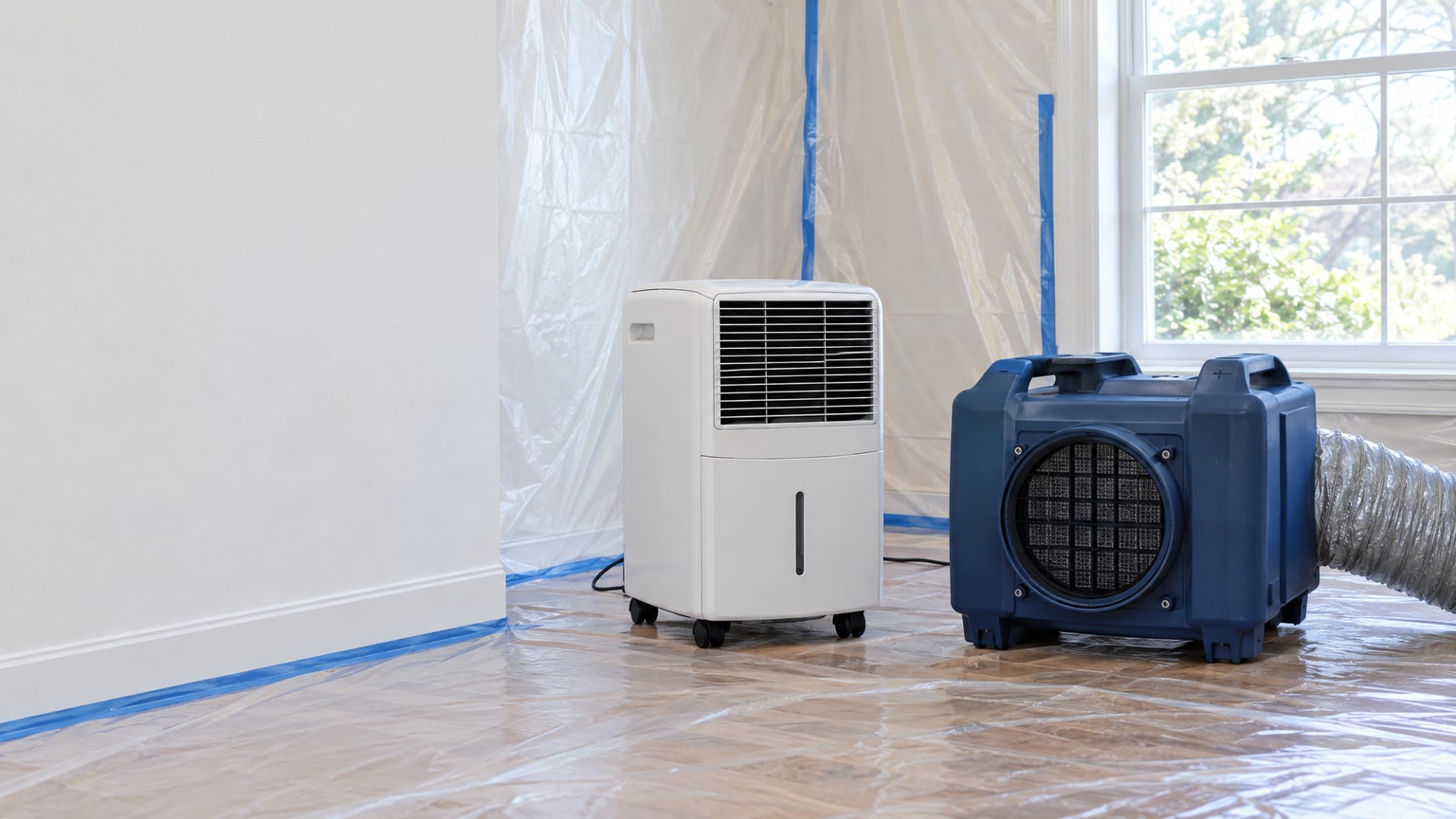
- Control dust and handle materials by type. The project may require work-area isolation, task-appropriate protective equipment, air filtration, careful removal, and detailed cleaning. Use the cleaning-versus-removal guide before assuming that every surface can be treated the same way.
- Correct moisture and complete the written scope. The cleanup is incomplete if the leak, drainage, condensation, or humidity problem remains. Record repairs, moisture checks, removed materials, cleaning steps, and any newly discovered damage that changes the plan.
- Verify before reconstruction. Post-remediation verification should check the agreed scope, corrected moisture source, dry remaining materials, visible cleanliness, and absence of moldy odor. Sampling may be included for a defined contract question, but one short air result cannot certify medical safety.
- Rebuild and keep the record. Close walls or reinstall finishes only after the project-specific completion criteria are met. Preserve the timeline, photos, invoices, warranties, reports, and insurance or landlord communications in case the condition returns or the work is disputed.
Frequently Asked Questions
I found mold in one room. What should I do first?
What should a mold remediation project include?
Do I need mold testing before remediation?
How should I compare mold remediation estimates?
How do I know when remediation is finished?
Create a Free Account
Unlock member guides and practical planning resources for your mold situation.
Educational content only. The appropriate remediation plan depends on the building, water source, materials, hazards, occupants, contract, and applicable requirements. Consult qualified professionals when the situation exceeds your training or can expose people to harm.