
Guides in This Topic
Moisture Control
Start with everyday moisture control: measure humidity, exhaust at the source, and choose the next step from the conditions you find.
After a Leak
Distinguish a confirmed clean supply-line leak from drain water, flooding, sewage, or an unknown source before choosing safety and drying steps.
Water Damage Causes
Identify the water pathway first: roof, plumbing, drainage, appliance, flood, or condensation.
Prevent by Room
Choose a room-by-room path for bathrooms, basements, attics, kitchens, bedrooms, and HVAC areas.
Measure and control humidity
Use a hygrometer where people live and where moisture collects, then look at readings and condensation over time.
Ventilate at the source
Use exhaust for showers and cooking; decide whether outdoor air helps only after considering weather, air quality, and moisture load.
Manage condensation
Trace window, pipe, and cold-surface condensation to humidity, surface temperature, insulation, or air leakage.
Choose dehumidification
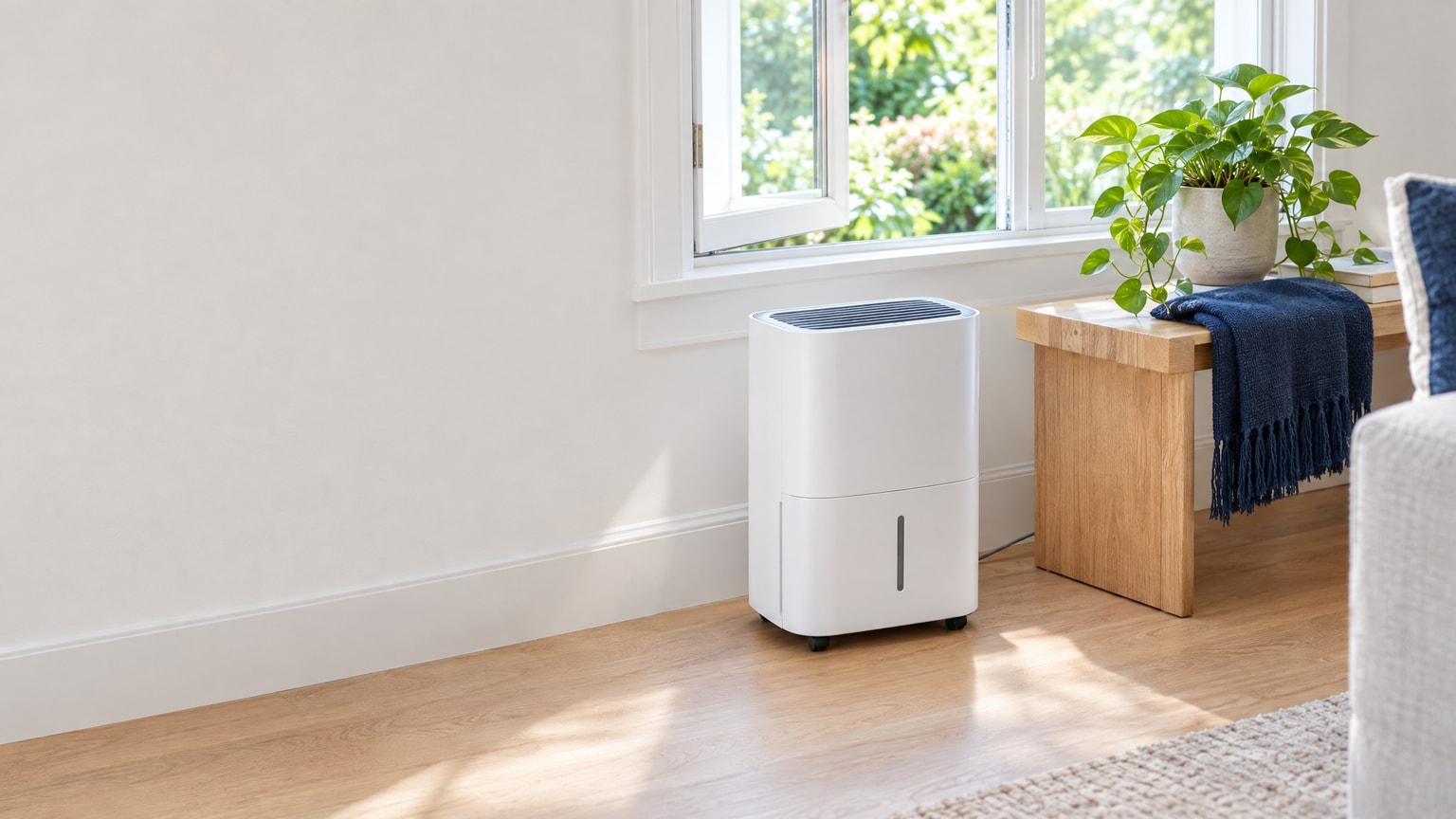
Use a dehumidifier when measurements show persistent humidity after source control, not as an automatic response to every damp feeling.
Plan seasonal checks
Match inspections and humidity routines to heating, cooling, storm, and shoulder seasons.
Mold prevention is not a single device or deadline. Start by finding the moisture pathway, then measure and correct the condition that keeps materials damp. The EPA's brief guide supports practical humidity and drying targets, while EPA Mold Course Chapter 9 explains when outdoor-air ventilation, dehumidification, or both may fit. Use humidity control for readings and trends, source ventilation for kitchens and baths, and the after a leak guide for a water event.
Create a Free Account
Create a free account to unlock member guides and resources on this site.
Frequently Asked Questions
What humidity level prevents mold?
Do I need a dehumidifier?
How quickly do I need to dry things after a leak?
What about ventilation standards?
How do I prevent condensation?
Can I prevent mold without expensive upgrades?
Educational content only. EPA guidance is general; building-specific moisture, safety, and remediation decisions may require qualified local help.