
Unlock more guides and resources
Inspection Service: Scope and Deliverables
A mold inspection is a building science investigation. The inspector looks for moisture sources (leaks, condensation, poor ventilation), visible growth, and water damage patterns.
They use tools like moisture meters and may use thermal imaging to locate damp materials. The goal is to identify where moisture is coming from and what materials are affected so the problem can be fixed at the source.
Inspectors pay special attention to common problem areas like basements, crawlspaces, bathrooms, and attics.
Before booking, confirm the inspection scope and written deliverable: which areas will be examined, what observations and instrument findings will be recorded, what photos or limitations will be documented, and what next steps the report will address. Sampling is not implied unless the agreement says it is included.
Sampling Service: Scope and Deliverables
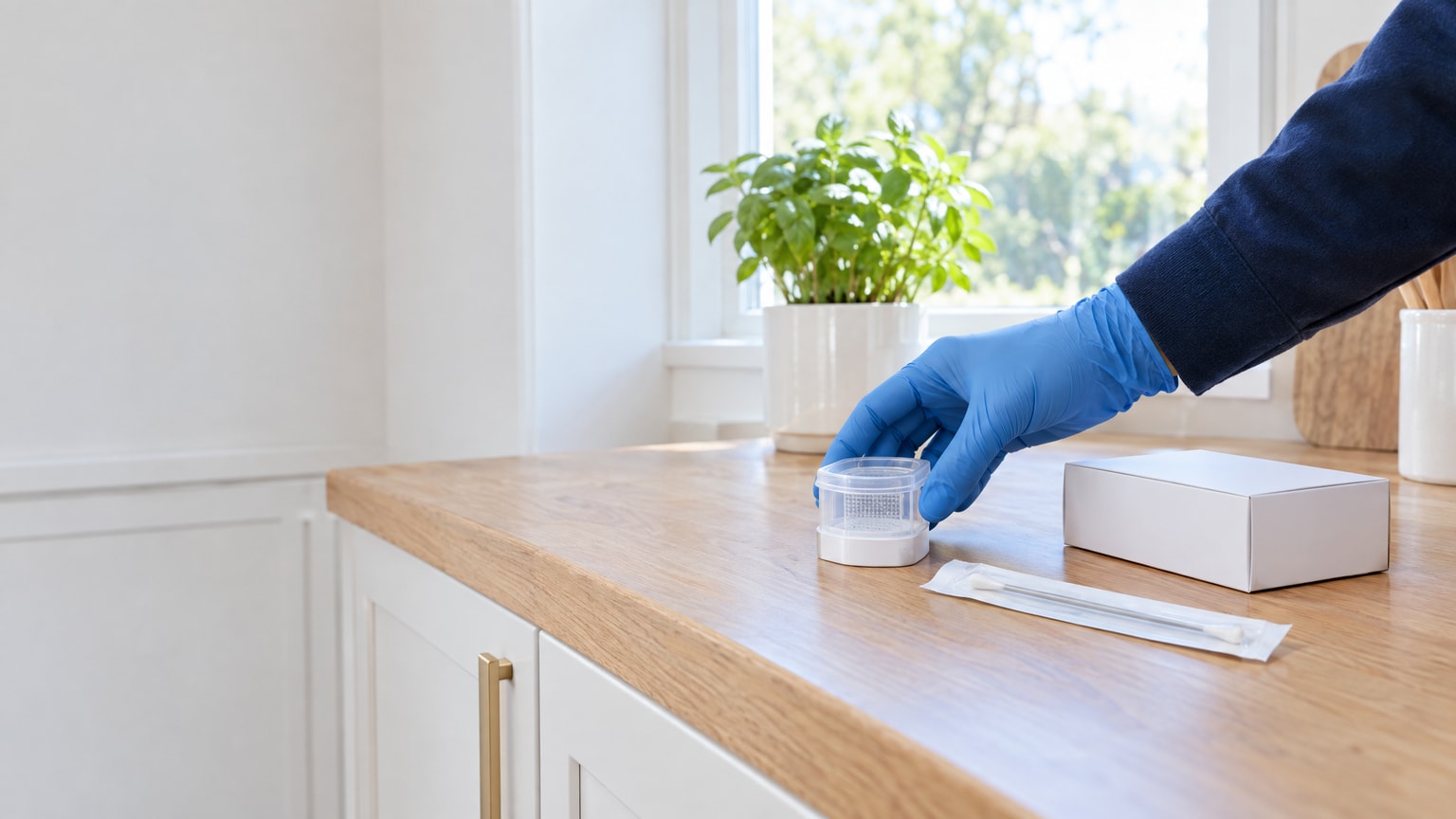
Testing (sampling) collects air, surface, dust, or bulk samples and sends them to a lab.
Depending on the method, a laboratory may report fungal material, cultured organisms, or a short-term airborne count in the submitted sample. The result describes that sample—not the whole building, a person's exposure, or health risk.
Before collection, ask the professional to document the defined question, method, locations, controls or comparison samples, laboratory process, and how each possible result will be interpreted. Confirm what the report will identify and what it cannot conclude.
Sampling may support documentation or an agreed post-remediation verification protocol, but it does not fix the problem or replace a moisture investigation.
When Inspection Is Enough
If you can see mold growth or you have clear water damage, you already have enough evidence to act. Both EPA and NIOSH emphasize that visual inspection and identifying moisture sources are the most important parts of assessing a mold problem, and routine sampling is usually not needed in these cases.
Move directly to remediation planning instead of spending money on tests that will confirm what you already know.
When Sampling Adds Value
Sampling may add value when it answers a defined building or contract question—for example, a claim or dispute, a specific material-identification question, an unresolved source question after visual and moisture inspection, or post-remediation criteria agreed before work began. Persistent symptoms need clinical evaluation; a mold sample cannot determine whether a building caused them.
For air sampling, the written plan should define locations, duration, concurrent outdoor or other comparison samples, documented building conditions, and how each possible result will change a decision. Comparison samples support interpretation; they do not create a health or safety threshold.
Limitations and Pitfalls
Air samples are short snapshots that change with weather, activity, location, and HVAC operation. Hidden growth may not appear in a sample, and there are no federal health-based limits for indoor mold. Interpret results only within the pre-defined question, sampling method, controls, documented conditions, and visual and moisture findings.
A low result does not prove a building is mold-free, and a high result does not diagnose a health issue by itself.
Comparing Professionals
Look for an inspector who focuses on moisture diagnostics, not just sampling. Ask what tools they use (moisture meter, thermal imaging), how they trace the moisture source, and whether they provide a written scope of findings.
Compare the service being offered: an inspection, sampling-only visit, laboratory analysis, remediation, or a combination. Confirm who controls the scope, interprets results, and would be paid for remediation work before you agree.
For best objectivity, keep inspection/testing and remediation with separate companies. Use our Contractor Vetting Guide and watch for common red flags that indicate low-quality or biased services.
Use these questions to vet inspectors before you hire:
Official Resources
Educational content only. Consult a qualified professional for your specific situation.