
Guides in This Topic
Hurricanes and Floods
Current EPA and FloodSmart guidance for safe flood cleanup, mold control, drying, material decisions, contractor checks, and insurance documentation.
Burst Pipes
Classify water and clear electrical, gas, structural, access, and contamination hazards before extraction, drying, inspection, or repair after a pipe failure.
Fixture Overflows
Classify sink, tub, toilet, and drain overflows by water quality and hazards before extraction, drying, cavity access, or material decisions.
Appliance Leaks
Find appliance leak points, then plan source control, connector inspection, alarms, shutoffs, drainage, and material drying without relying on fixed schedules.
Hidden Leaks
Investigate hidden moisture with material-specific comparison readings, direct observation, source isolation, and qualified plumbing or building-envelope help.
Roof Leaks
Respond to roof and exterior leaks by avoiding collapse and electrical hazards, containing water safely, documenting damage, and fixing the entry path.
Window and Siding Leaks
How failed flashing and gaps around windows and siding lead to hidden mold in walls.
Poor Drainage
Grading and gutter problems that push water toward the house and create mold risk.
Foundation Moisture
Trace basement and crawlspace moisture to drainage, seepage, condensation, or plumbing before comparing repair scopes and waterproofing bids.
Condensation
Diagnose condensation using surface temperature, humidity, ventilation, insulation, and outdoor conditions without treating one reading as source proof.
HVAC Condensation
Why HVAC systems sweat, where water collects, and how to prevent mold in ducts and air handlers.
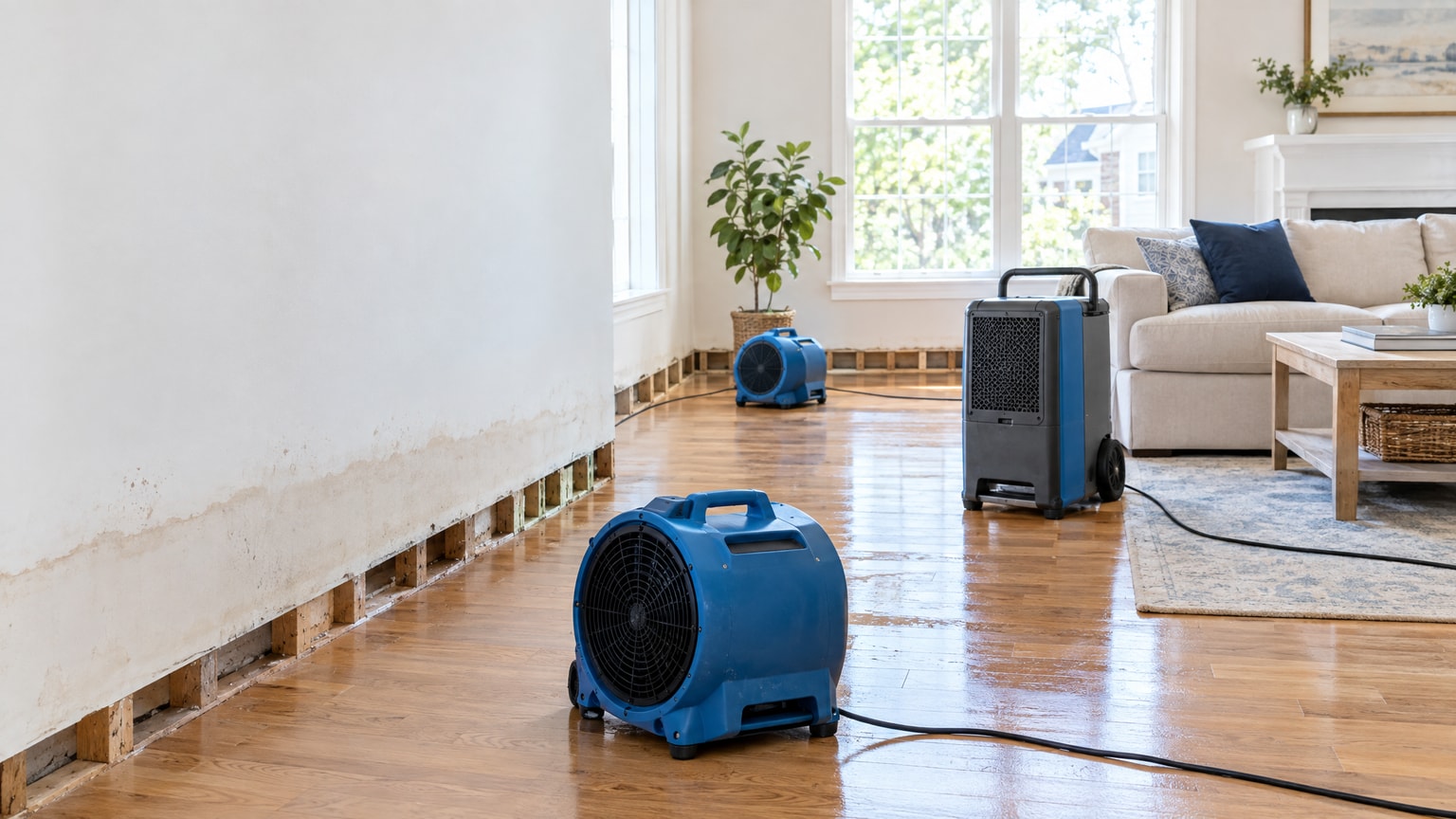
Mold needs moisture to grow, and water damage is a common source. EPA says mold can grow on materials that remain wet for more than about 24 hours, so safe, prompt cleanup and complete drying matter. This section covers common sources of indoor water damage and mold growth: natural disasters like hurricanes and floods, plumbing failures, roof and exterior leaks, appliance malfunctions, foundation moisture, and condensation from humidity. Each source can create different safety, cleanup, and insurance questions.
Create a Free Account
Create a free account to unlock member guides and resources on this site.
Frequently Asked Questions
How quickly does mold grow after water damage?
What causes the most indoor mold problems?
Does homeowner insurance cover water damage and mold?
When should I call a professional after water damage?
How do I find hidden water damage?
Do small repair fixes stop mold from returning?
Educational content only. For emergency situations, contact appropriate professionals immediately.