
Unlock more guides and resources
What Clearance Testing Means
“Clearance testing” is often used to mean post-remediation verification. The core review compares the finished work with the agreed scope: the moisture source is corrected, specified materials were handled, remaining materials are dry, and the work area is visibly clean without a musty odor. A contract may also require sampling under pre-agreed criteria.
Who Should Perform It
- Prefer an independent inspector, not the remediation contractor
- Define inspection, moisture, documentation, and any sampling criteria before work starts
- Require a written finding for every agreed criterion, including limitations
What a Pass Looks Like
Visual and Moisture
- No visible dust or residue in the work area
- Moisture source repaired and no active water entry
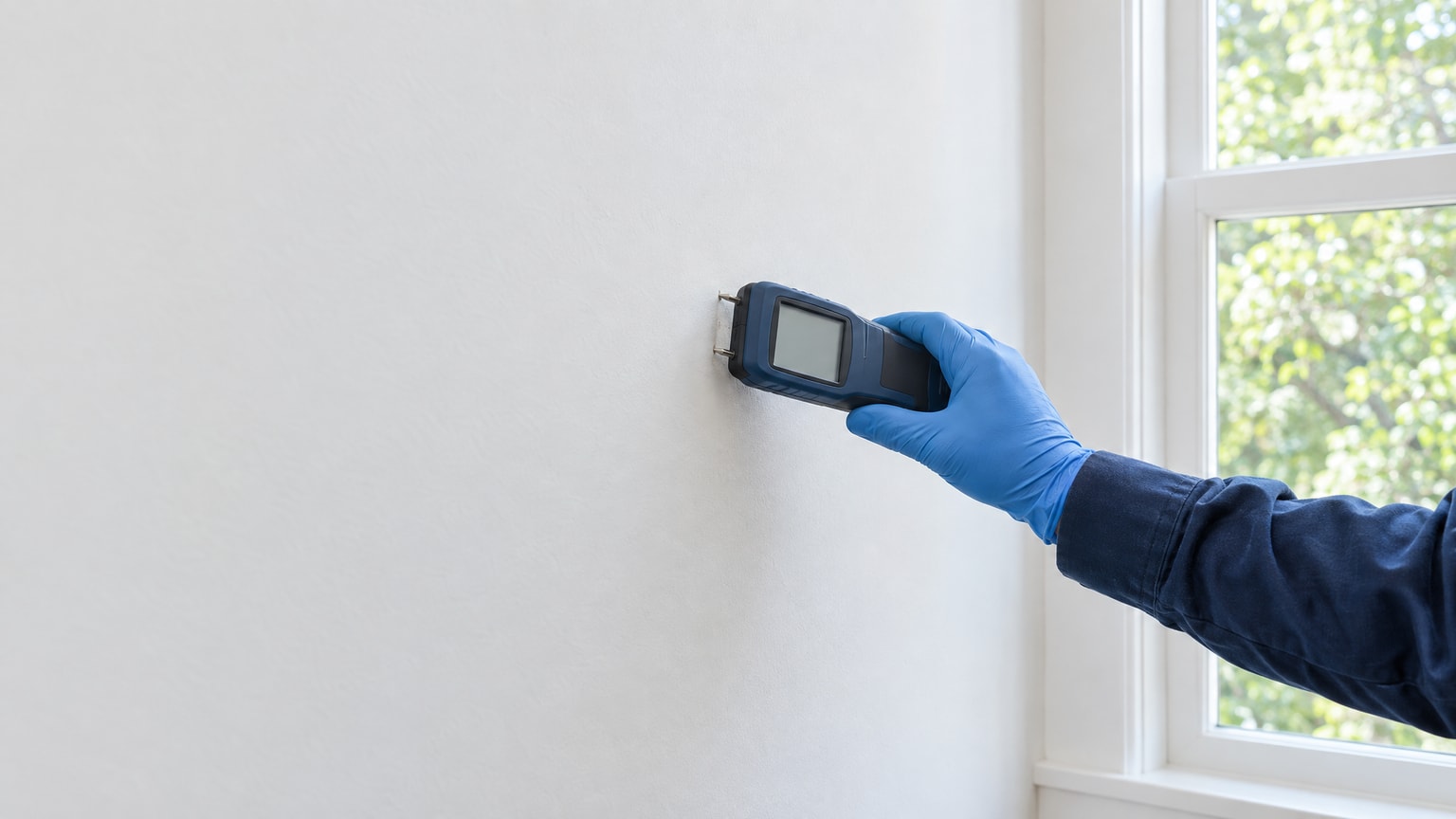
- Remaining materials meet the agreed dry standard or unaffected reference readings
When Sampling Is Contractually Required
- Protocol, locations, controls, and laboratory method were agreed in advance
- Results meet the project-specific written criteria
- Report states that no federal health threshold exists and does not call the space medically safe
No Federal Standards
There are no federal health-based standards for acceptable indoor mold levels. NIOSH does not recommend routine air sampling because short-term counts can miss actual exposure and cannot be interpreted as health risk. Verification should prioritize the repaired moisture source, dry materials, completed scope, visible cleanliness, and absence of musty odor.
- Confirm moisture sources are fixed and materials are dry
- Use visual inspection and odor as primary signals
- Use sampling only for a pre-defined contract or building question, not as a safety certificate
Timing the Test
- 1
Complete the moisture repair and drying
Record the dry standard or reference readings used for each material.
- 2
Finish the agreed cleaning
Inspect the work area before any sampling step begins.
- 3
Follow the written protocol
If sampling is required, document HVAC, barriers, equipment, occupancy, weather, and other specified conditions.