
Unlock more guides and resources
Target Indoor Humidity and How to Measure It
EPA recommends keeping indoor relative humidity below 60 percent, ideally between 30 and 50 percent. That range is a practical mold-prevention target, not a guarantee that a home is dry or that mold cannot grow. Leaks, wet materials, and condensation still need their own response.
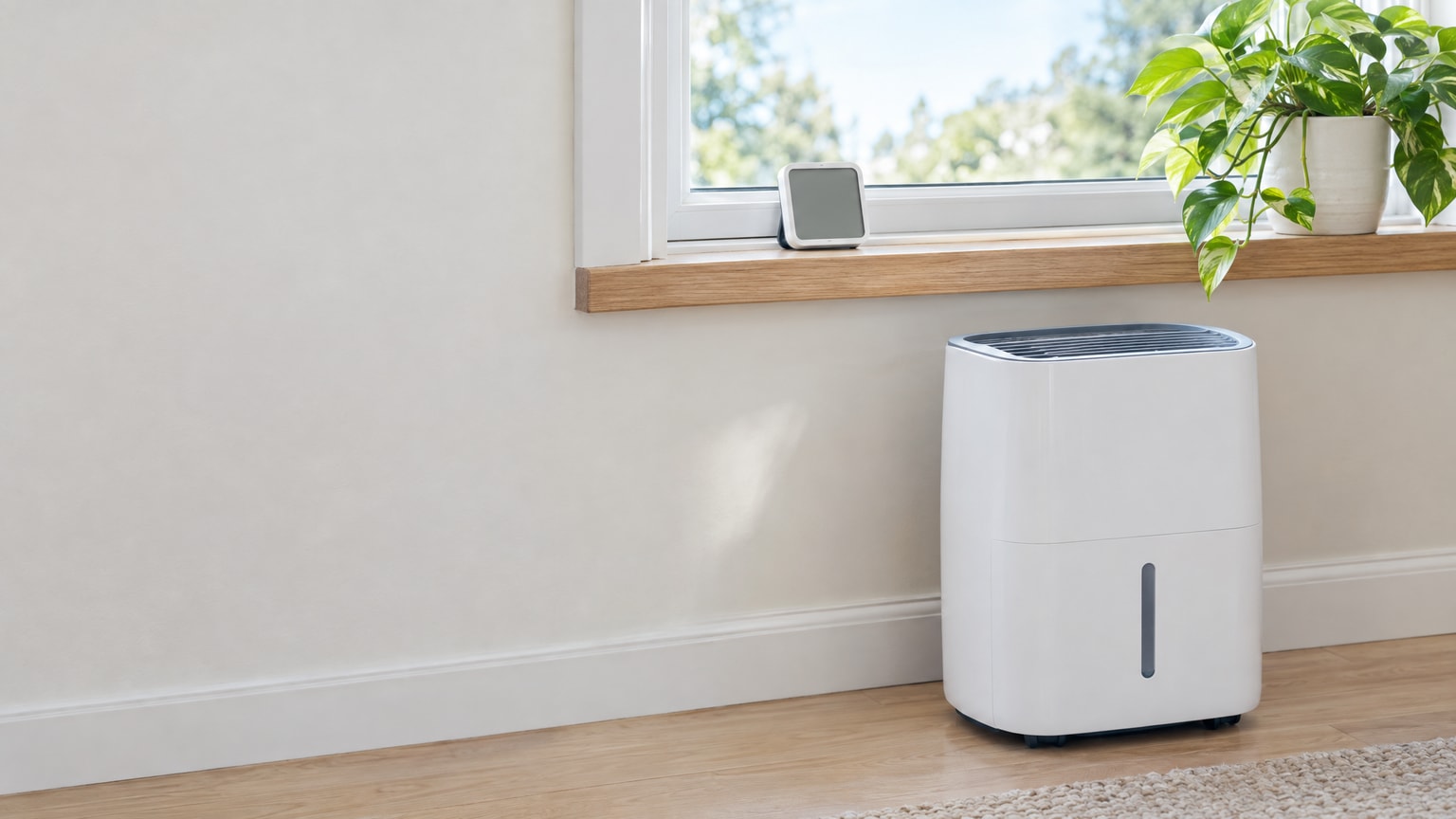
Relative humidity is local and changes with weather, cooking, bathing, heating, and air-conditioning. Check the rooms most likely to be damp instead of relying on a hallway reading. Record readings at the same location and at comparable times, then look for a trend and for condensation on windows, pipes, or exterior walls.
Common Sources of High Humidity
High readings can come from moisture entering the building, moisture generated indoors, or outdoor air brought inside. Find and correct the source before relying on equipment alone. A single damp room points toward a local source or airflow problem; high readings throughout the home call for a broader look at ventilation, air-conditioning, dehumidification, and the building envelope.
- Long showers and poor bathroom ventilation
- Cooking without a vented range hood
- Basements or crawlspaces with poor airflow
- Drying clothes indoors
- Unvented gas appliances
- Plumbing, roof, foundation, or drainage leaks
- Condensation on cold windows, pipes, or exterior walls
- HVAC condensate pans or drain lines that do not drain correctly
- Seasonal outdoor humidity brought inside through open windows or ventilation
Humidity Control Strategies
Source Exhaust and Ventilation
- Run bathroom fans during and after showers
- Use kitchen exhaust fans that vent outside
- Open windows only when conditions are safe and outdoor air will reduce the indoor moisture load
- Check outdoor weather, air quality, and pollen before bringing in outside air
- Use fans to move air, but do not treat a portable fan as moisture removal
Moisture Reduction
- Use dehumidifiers in damp rooms
- Use air-conditioning when it is operating effectively and appropriate for the space
- Fix plumbing leaks quickly
- Seal foundation cracks and improve drainage
- Insulate cold pipes to reduce condensation
Room-by-Room Tips
Basements
Measure the basement itself, run a maintained dehumidifier when needed, keep items off the floor, and check drainage or seepage before adding more equipment.
Bathrooms
Use an exhaust fan that vents outdoors during and after showers, wipe down wet surfaces, and keep moisture from spreading to adjacent rooms.
Bedrooms
Avoid blocking supply or return paths, keep furniture slightly away from exterior walls, and check near windows or cold corners if condensation keeps returning.
When condensation is the visible symptom, use our window condensation guide. When room readings remain high after leaks and exhaust are addressed, compare equipment options in the dehumidifier guide.
Signs Humidity Is Too High
- Condensation on windows or pipes
- Musty odors that return quickly
- Humidity readings that repeatedly stay above 60 percent
Use the pattern to choose a next step: repeated high readings call for source control or dehumidification; surface condensation calls for lower humidity, warmer surfaces, or both; recurring odor, staining, or damp materials call for a moisture investigation. If the source is hidden, see our guide to possible hidden mold instead of trying to solve the problem with a hygrometer alone.