
Unlock more guides and resources
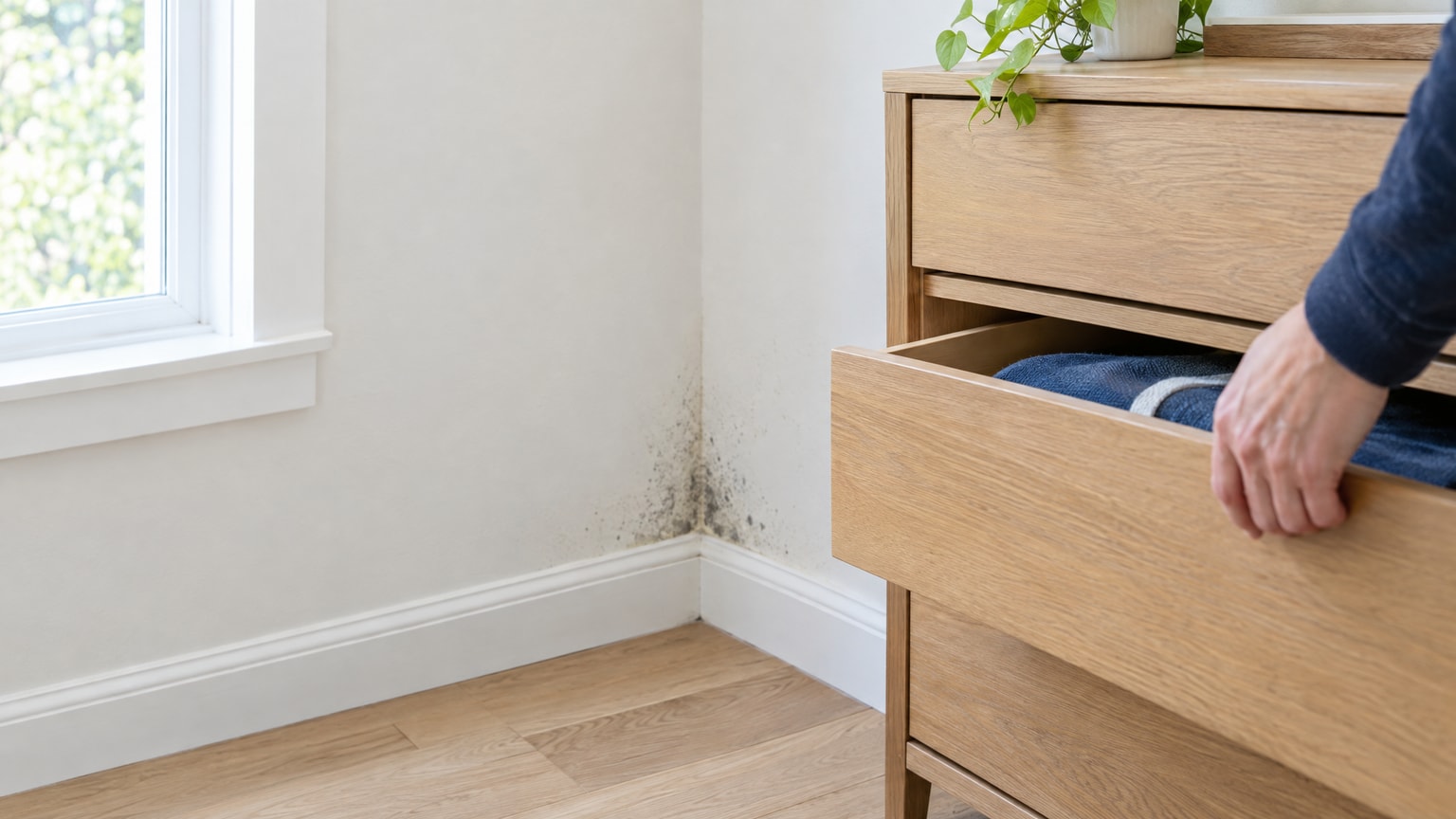
What People Mean by "Black Mold"
Most people mean Stachybotrys chartarum, a mold associated with chronic water damage. It can produce mycotoxins under certain conditions, but many common indoor molds also appear dark. Color is not a reliable indicator of species, exposure level, or health risk.
The Real Concern
Damp or moldy environments can trigger allergic or irritant symptoms and asthma attacks in some people. People with weakened immune systems or chronic lung disease should ask a clinician how to avoid higher-risk exposure. Symptoms, color, and species do not identify the moisture source or set the building scope, so focus on the building evidence, moisture correction, and safe cleanup rather than panic. See our remediation guide and prevention guide for practical steps.
What You Should Do
If you see dark mold growth, focus on the basics and avoid fear-based decisions:
If you want more context on how "black mold" fits into the bigger picture, see our common indoor molds guide .