
Unlock more guides and resources
Current Mold Inspection Cost Estimate
Reported Low End
$303
Not a guaranteed minimum
Reported Average
$670
Across surveyed projects
Reported High End
$1,044
Complex jobs can cost more
What Affects the Price
Home Size
Larger homes usually take longer to inspect and may contain more potential problem areas. Ask whether the quote is fixed, hourly, or based on square footage instead of assuming a standard per-foot surcharge.
Sampling Scope
Sampling can add collection, laboratory, and interpretation fees. There is no universal sample count: every sample should answer a defined question in a written plan. Ask for the price of each proposed location, control, method, and lab analysis before authorizing it.
Geographic Location
Labor rates, travel time, licensing rules, and local demand can change the price. Compare written quotes from professionals who propose the same scope rather than applying a generic city multiplier.
- Confirm whether travel or minimum-service fees apply
- Ask whether your state licenses or regulates mold assessors
- Compare the inspection scope, not just the total price
Accessibility
Hard-to-reach areas can require more time, safety equipment, or a specialist. Ask for approval before destructive access or any added charge.
- Crawl spaces and confined areas
- Attics without a safe access route
- Wall cavities or materials that would need to be opened
- Detached buildings or multiple units
What Should Be Included
A Quality Mold Inspection Should Include:
- A written scope naming the rooms, systems, and access limitations included
- Visual inspection and moisture-source investigation within that scope
- Material-moisture and humidity measurements when useful, with instrument and location documented
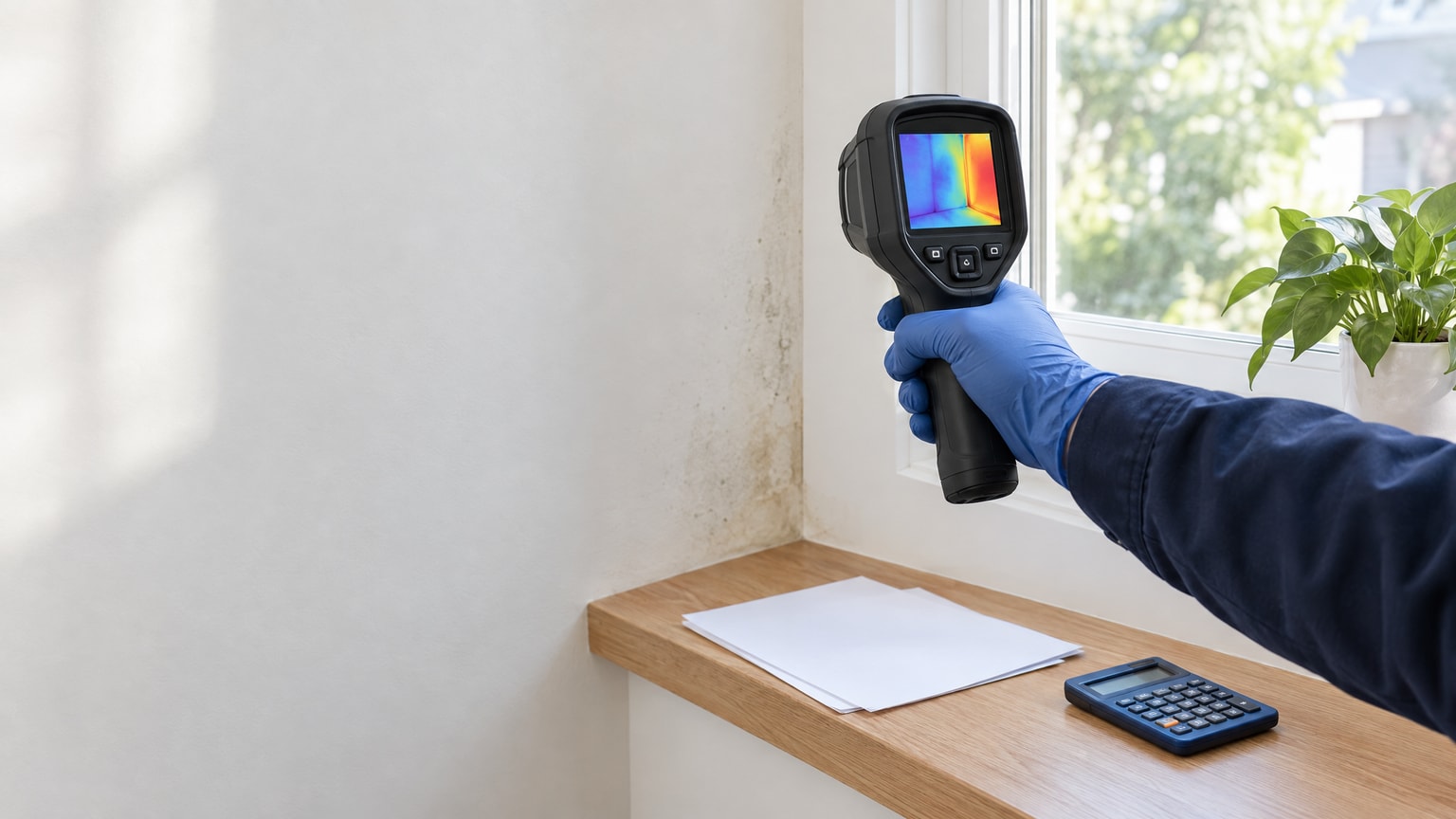
- Thermal imaging when useful, with anomalies verified directly
- Documentation with photos
- Written report with findings
- Recommendations for next investigation, repair, or remediation decisions when supported by the findings
Sampling (Only When It Answers a Defined Question)
- A written reason each sample could change the decision
- Documented method, location, controls, and building conditions
- Itemized collection, laboratory, and interpretation fees
- A written report explaining limitations as well as results
Inspection vs Testing
Visual and Moisture Inspection
This is usually the starting point. It can:
- Document visible growth and damaged materials
- Trace leaks, condensation, and elevated moisture
- Estimate affected area and likely material removal
- Create a written scope without routine sampling
Inspection With Targeted Sampling
Consider sampling only when a qualified professional defines the question, such as:
- A contract, regulator, or insurer requires a specified method
- A dispute requires documented results under an agreed protocol
- An independent post-remediation plan set criteria in advance
- A targeted building question remains after visual and moisture inspection
Learn more about when you need inspection vs. testing.
When to Get a Mold Inspection
Consider a Qualified Inspection If:
- You're buying a home (especially with known water history)
- There's been flooding or major water damage
- You smell musty odors but can't find the source
- Moisture or odors recur after a repair
- You're in a dispute with landlord or insurance company
- You need an independent post-remediation assessment
You Might Not Need One If:
- A small, visible area with a known clean-water source and no electrical, structural, HVAC, or occupant-risk concerns
- Simple bathroom mildew on tile/grout
- You already know you need remediation
How to Save Money
Smart Ways to Reduce Costs
What NOT to Skimp On
Red Flags to Avoid
Warning Signs of Untrustworthy Inspectors
- A no-cost assessment tied to a remediation sale without clear financial and conflict disclosures
- The same company evaluates the problem and sells the cleanup without disclosing the conflict
- No written report provided
- Pressure to decide immediately
- A required license or claimed private credential cannot be verified with its issuer
- Won't explain what's included in the price
- Quotes without seeing the property
Learn more about mold testing scams and red flags.