Mold Compass Free mold guidance and practical resources
Dehumidifier and moisture control equipment for mold prevention

Preventing Mold: The Science of Moisture Control

The EPA states: "The key to mold control is moisture control." Building science and official guidelines provide clear, actionable strategies to keep your home mold-free.

Mold prevention is moisture prevention — it's that simple. The EPA, FEMA, and building science research all agree: control moisture and you control mold. Understanding mold growth conditions makes prevention straightforward. Start with the two prevention pillars: Moisture and ventilation for everyday control, and room by room prevention for the highest risk areas. When a leak happens, follow the after a leak guide immediately to stay inside the 24-48 hour drying window. The WHO reports that 10-50% of buildings have dampness issues, so prevention is relevant for nearly everyone.

Get the Free Checklist

Practical steps you can take today, delivered to your inbox.

No spam, ever. Unsubscribe anytime.

Frequently Asked Questions

What humidity level prevents mold?
The EPA recommends keeping indoor relative humidity between 30-50%, with an absolute maximum of 60%. Below 30% can cause discomfort (dry skin, static). Above 60% creates conditions conducive to mold growth. Use a hygrometer (available for $10-30 at hardware stores or via our gear guide) to monitor. Check multiple locations — basements and bathrooms often run higher than living areas.
Do I need a dehumidifier?
If your home regularly exceeds 60% humidity despite good ventilation practices, a dehumidifier is warranted. They're particularly useful in basements (which often lack adequate air exchange), during humid seasons, in coastal or humid climates, and after water events during drying. Size matters: dehumidifiers are rated by pints per day, and you need one appropriately sized for your space and humidity level. See our dehumidifier guide for sizing recommendations, and compare options in dehumidifier versus air purifier if you are unsure which device addresses your problem.
How quickly do I need to dry things after a leak?
The EPA and FEMA both emphasize the 24-48 hour window. They state: "If wet or damp materials or areas are dried 24-48 hours after a leak or spill happens, in most cases mold will not grow." After 48 hours with continued moisture, mold colonization becomes likely. Use fans, dehumidifiers, and wet/dry vacuums to accelerate drying. See our after a leak guide for detailed steps. If you can't dry materials in time, assume mold will develop and consider whether you need professional remediation.
What about ventilation standards?
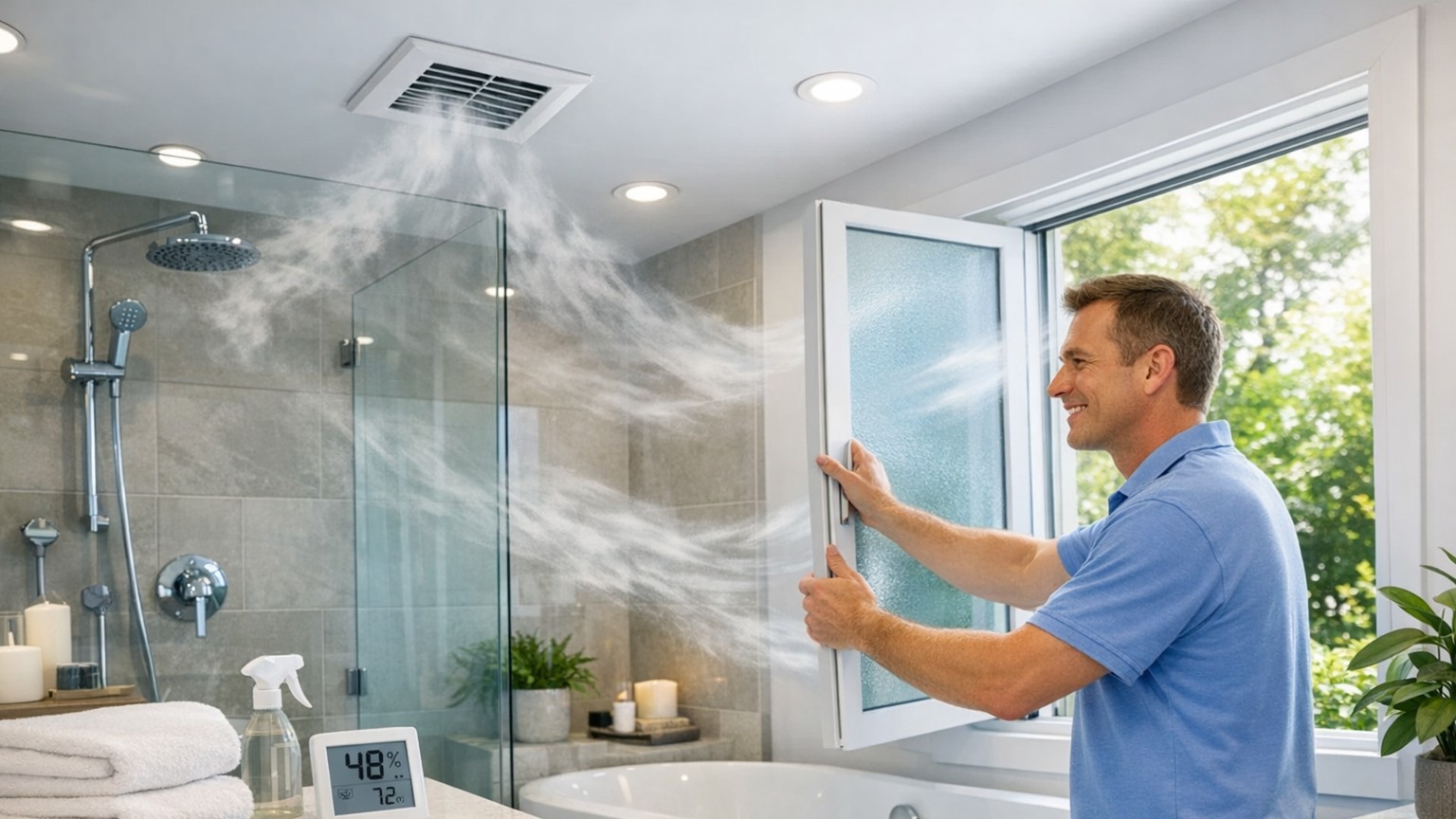
ASHRAE (American Society of Heating, Refrigerating and Air-Conditioning Engineers) sets ventilation standards. Key points: bathroom exhaust fans should be sized for the room (1 CFM per square foot minimum), kitchen range hoods should vent outside, clothes dryers must vent outside, and whole-house ventilation may be needed in tightly sealed modern homes. Exhaust fans should run during and 20-30 minutes after moisture-generating activities. Poor ventilation in HVAC systems can spread mold spores throughout the home.
How do I prevent condensation?
Condensation occurs when warm, moist air contacts cold surfaces. Solutions include improving insulation on cold surfaces (pipes, exterior walls), increasing air circulation in problem areas, reducing indoor humidity sources, ensuring adequate ventilation, and using thermal breaks on windows (better-insulated windows or interior storm windows). Cold weather condensation on windows is often the first visible sign of excess indoor humidity. Left unaddressed, condensation can lead to hidden mold in walls and around window frames, especially in bedrooms with cold exterior walls.

Stay Updated

Get practical tips and the latest mold guidance on our blog.

Read the Blog →

Educational content only. Building-specific advice may require professional consultation.