
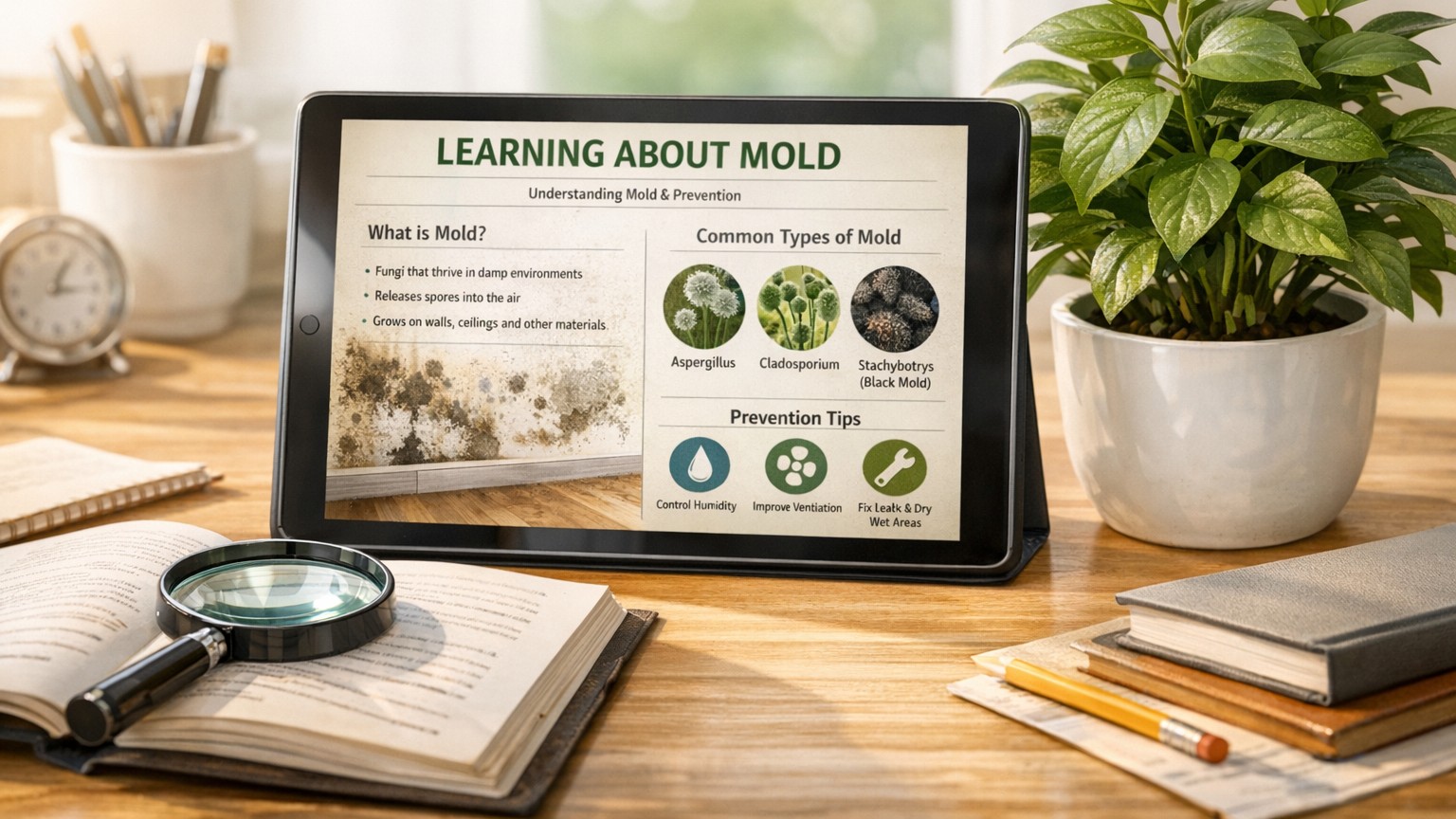
Summer is coming, and with it the humidity that makes mold thrive. While you can't control the weather, you can prepare your home to handle whatever moisture summer throws at it. The work you do now—before humidity peaks—will determine whether you spend summer comfortable or battling mold.
Most molds flourish between 77°F and 86°F with humidity above 60%—exactly the conditions inside poorly prepared homes during summer. Here's how to get ahead of the problem.
HVAC Preparation
Your air conditioning system is your primary defense against summer humidity. It doesn't just cool air—it removes moisture. But only if it's working properly.
Professional Maintenance
Schedule a professional AC tune-up before summer heat hits:
- Refrigerant level check and charge if needed
- Condenser and evaporator coil cleaning
- Condensate drain line clearing
- Electrical connection inspection
- Thermostat calibration
- Blower motor lubrication
DIY Maintenance
- Replace air filter (do this monthly during heavy use)
- Clear debris from outdoor unit (leaves, grass clippings)
- Ensure 2 feet of clearance around outdoor unit
- Clean supply and return vents
- Test system operation before you need it
Condensate Drain Care
The condensate drain removes moisture extracted from your air. A clogged drain can lead to:
- Water damage to ceilings and walls
- Mold growth in drain pan and surrounding areas
- System shutdown (if safety switch equipped)
- High indoor humidity
Clear the drain by pouring a cup of white vinegar through it monthly, or use a wet/dry vacuum on the exterior drain port.
Dehumidification Strategy
Air conditioning removes some humidity, but in very humid climates or problem areas, additional dehumidification may be necessary.
Do You Need a Dehumidifier?
Consider standalone dehumidifiers if:
- Basement stays humid even with AC running
- Humidity in any area exceeds 50% regularly
- You see condensation on windows or pipes
- Musty odors persist
- You have a history of mold problems
Dehumidifier Preparation
If you have dehumidifiers, prepare them now:
- Clean or replace filter
- Check condensate pump if equipped
- Clean water bucket
- Position for optimal air circulation
- Set to maintain 30-50% humidity
- Consider continuous drain setup to eliminate bucket emptying
Sizing Guidelines
For basements and other problem areas:
- 30-40 pint/day: Up to 1,500 sq ft, moderate humidity
- 40-50 pint/day: Up to 2,000 sq ft, or high humidity
- 50-70 pint/day: Very humid conditions or larger spaces
Ventilation Improvements
Bathroom Exhaust
Bathrooms are already moisture-prone; summer humidity makes them worse:
- Test exhaust fans—should pull tissue against vent
- Replace fans that don't exhaust adequately
- Consider humidity-sensing fans that run automatically
- Verify exhaust ducts actually exit the building
- Clean vent covers
Kitchen Ventilation
- Test range hood operation
- Clean grease filters
- Ensure it actually vents outside (not into attic)
- Use when cooking, especially boiling water
Attic Ventilation
Attic attic ventilation leads to moisture buildup:
- Check soffit vents for blockage
- Verify ridge vent is clear
- Consider adding attic fan if not equipped
- Check that bathroom/kitchen exhausts don't terminate in attic
Problem Area Preparation
Basement
Basements often require the most attention:
- Test sump pump operation
- Check for any signs of water intrusion from spring rains
- Set up dehumidifier before humidity peaks
- Elevate stored items off floor
- Ensure floor drains are clear
Crawlspace
Crawlspaces need special attention:
- Check vapor barrier condition
- Verify vents are clear and operating
- Consider encapsulation if problems persist
- Check for standing water
Humidity Monitoring
Humidity't manage what you don't measure:
- Place hygrometers in multiple rooms
- Monitor basement, bathrooms, and any problem areas
- Check readings at different times of day
- Keep log to identify patterns
- Smart hygrometers can alert you to problems
Summer Habits
Plan to adopt these habits once summer arrives:
- Run AC even when comfortable to control humidity
- Don't turn AC off for extended periods
- Run exhaust fans during and after showers
- Check humidity levels regularly
- Respond quickly to any water issues
- Keep dehumidifiers running in problem areas
Take Action Now
The work you do now prevents problems later. Schedule that HVAC service, test your dehumidifier, and inspect your problem areas before summer humidity arrives. Your preparation today means a more comfortable—and mold-free—summer.
If you discover issues that need professional attention, our Find a Pro directory can connect you with qualified HVAC technicians and mold remediation specialists.
Sources and Further Reading
For current moisture-control guidance, see EPA's Mold Course, Chapter 2: Moisture and Mold Prevention.