
Reduce avoidable chemical use by fixing leaks, drying materials and selecting a cleaner appropriate for the surface. A product described as natural is not automatically safer or effective.
A practical environmental plan starts with preventing repeat water damage and choosing durable, repairable materials suited to the location. Cleaning still needs to follow the material and product instructions.
Prevention: The Greenest Strategy
Preventing repeat wetting can reduce the need for replacement materials and repeated cleanup.
Passive Humidity Control
Control moisture at the source before adding equipment solely to treat the resulting humidity.
- Repair leaks and maintain roof drainage
- Use bathroom and kitchen exhaust that discharges outdoors
- Open windows only when outdoor conditions support drying and safe ventilation
- Choose and maintain humidity-control equipment for the room’s conditions
Sustainable Building Materials
When renovating or repairing, choose materials that resist mold naturally:
- Cork: check the specific product’s permitted locations, moisture limits and installation instructions.
- Bamboo: review the flooring manufacturer’s moisture and below-grade restrictions; do not assume that bamboo is mold-resistant.
- Tile with eco-friendly grout in wet areas
- Paperless drywall in moisture-prone areas
- Paint: choose a coating suitable for the cleaned, dry substrate and use the required ventilation; no coating repairs a leak or removes existing mold.
Natural Desiccants
For small, enclosed spaces like closets or cabinets:
- Silica gel: use packaged products only for the enclosed spaces they are designed for, and regenerate or dispose of them only as directed.
- Calcium-chloride absorbers: use an intact, labeled container and keep the collected liquid away from children, pets and vulnerable finishes.
- Activated charcoal: odor adsorption does not make it a substitute for moisture-source repair or dehumidification.
- Avoid improvised rice or cat-litter moisture treatments; investigate the source and use equipment or storage products designed for the task.
Green Cleaning and Source Control
A lower-impact cleanup starts with source control and material decisions, not a claim that a household chemical will remove every kind of mold. Fix leaks, stop condensation, and dry wet materials promptly. For visible mold, follow our cleaning versus removal guide alongside current EPA and CDC guidance, and use water with a detergent on materials that can be cleaned; remove porous materials that cannot be cleaned and dried, taking the water source and contamination into account.
Choose by Material and Label
On hard, cleanable surfaces, choose a product suitable for that material and follow its label, including dilution, contact time, ventilation, PPE, and disposal directions. Never mix products. An unlabelled household recipe or generic chemical claim is not proof of mold removal and cannot replace source control, physical removal, cleaning, or complete drying.
When Mold Is Visible
- Cleaning and removal decisions depend on porosity, damage, contamination, access, and whether the moisture source is controlled. Porous drywall, insulation, carpet, and similar materials may need removal when they cannot be cleaned and dried; hard surfaces may be cleaned and dried when their condition allows. Do not paint, seal, fog, or cover visible growth before the moisture problem and the cleaning or removal scope are addressed.
Use Chemicals Carefully
- If a disinfectant, biocide, or other chemical product is considered, confirm that its label covers the intended material and use, follow every direction and precaution, ventilate, use appropriate PPE, and keep products from mixing. EPA does not recommend routine biocide use as a substitute for physical removal and moisture control. Chemical action alone is not a clearance result.
What to Avoid
Avoid promises based on color, species, “natural” status, or a percentage of organisms killed. Do not use color or species as a health rating, and do not let symptoms set the building scope. Visible mold generally does not require routine sampling; sampling is appropriate only when a defined building question could change the decision and the method and interpretation plan are documented in advance. Discuss symptoms with a clinician separately from the building assessment.
Energy-Efficient Humidity Control
When passive measures aren't enough, choose efficient active systems:
ENERGY STAR Dehumidifiers
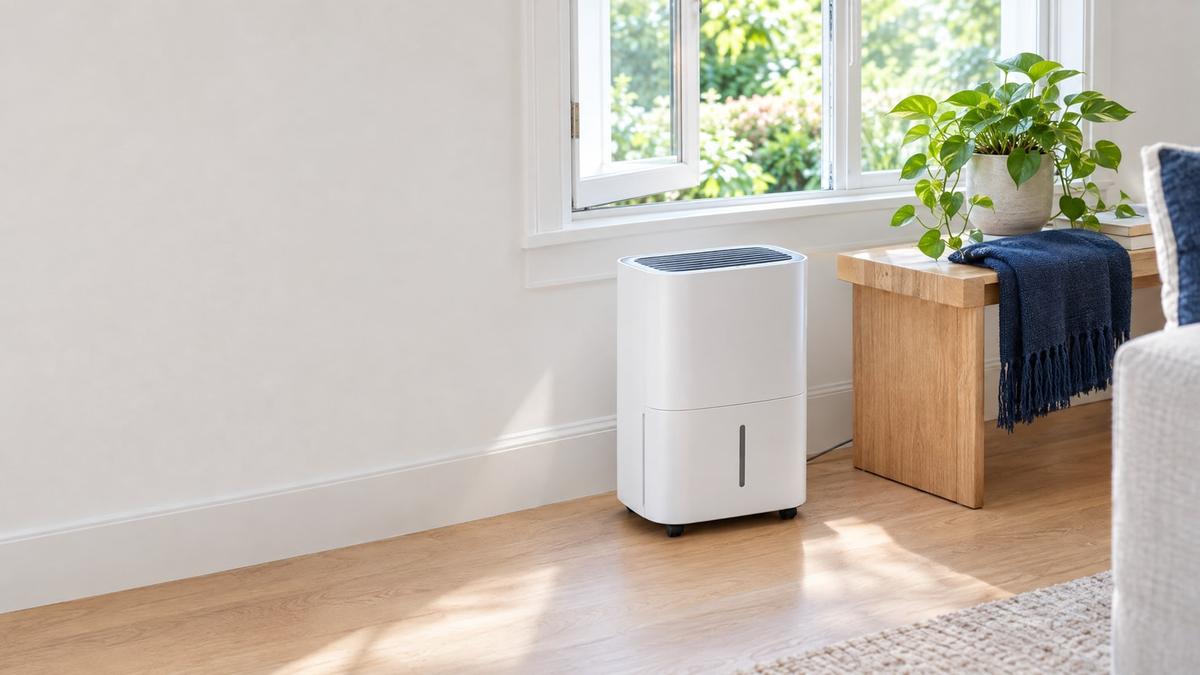
- Compare current ENERGY STAR certified dehumidifiers and their rated efficiency
- Select capacity for the space and how wet it is using the sizing guidance
- Check the operating temperature and drainage arrangement
- Measure room conditions and maintain the unit according to its instructions
Smart HVAC Management
Your HVAC system can control humidity efficiently:
- An energy-recovery ventilator exchanges air and transfers some heat and moisture; it is not a stand-alone solution to a leak or every humidity problem. Ask a qualified HVAC designer whether it suits the home.
Solar-Powered Options
- Solar-powered attic equipment should be considered only as part of a roof, air-sealing and ventilation design appropriate to the building.
- Some dehumidifiers can run on solar power
- Choose water-heating equipment for its efficiency, venting and installation requirements; it is not a remedy for indoor moisture damage.
Sustainable Remediation
When professional remediation is needed, ask about green practices:
Questions for Contractors
- What cleaning products do you use? Are eco-friendly options available?
- How do you dispose of contaminated materials?
- Do you use HEPA filtration to prevent spread?
- Can undamaged materials be saved rather than replaced?
- Do you use sustainable replacement materials?
Disposal Considerations
Mold-contaminated materials need proper disposal:
- Ask the local waste program which damaged building materials it accepts. Do not compost moldy, treated, painted or otherwise contaminated construction waste without explicit acceptance.
- Confirm recycling acceptance before separating damaged materials; mold, coatings and other contamination can affect the disposal route.
- Bag or contain removed material as the cleanup plan requires and follow local waste instructions.
The Connection Between Climate and Mold
Plan for the water events that affect your property: rain entry, storm damage, snowmelt, groundwater or humid-air condensation. Local forecasts and your building history are more useful than a blanket climate prediction.
- After rain: inspect known roof, window and drainage trouble spots when access is safe.
- During humid weather: compare indoor readings with condensation and outdoor conditions.
- After a power outage: check equipment, drainage and any materials that became wet.
- After repairs: recheck the same locations during the next relevant weather event.
By using eco-friendly mold prevention, you're both adapting to these changes and reducing your contribution to them.
Start Your Green Mold Prevention Today
This Earth Day, commit to sustainable mold management:
- Choose only the cleaning products needed for the material and task, and follow their labels.
- Improve passive humidity control through better ventilation
- Choose sustainable materials for any renovation projects
- If you need professional help, choose contractors with green practices
- Preventing repeated leaks and premature material replacement is a useful place to start.
Keep a short record of leaks, repairs and recurring dampness so the next action addresses the cause.
Sources and Further Reading
For current moisture and mold guidance, see EPA's A Brief Guide to Mold, Moisture, and Your Home.