
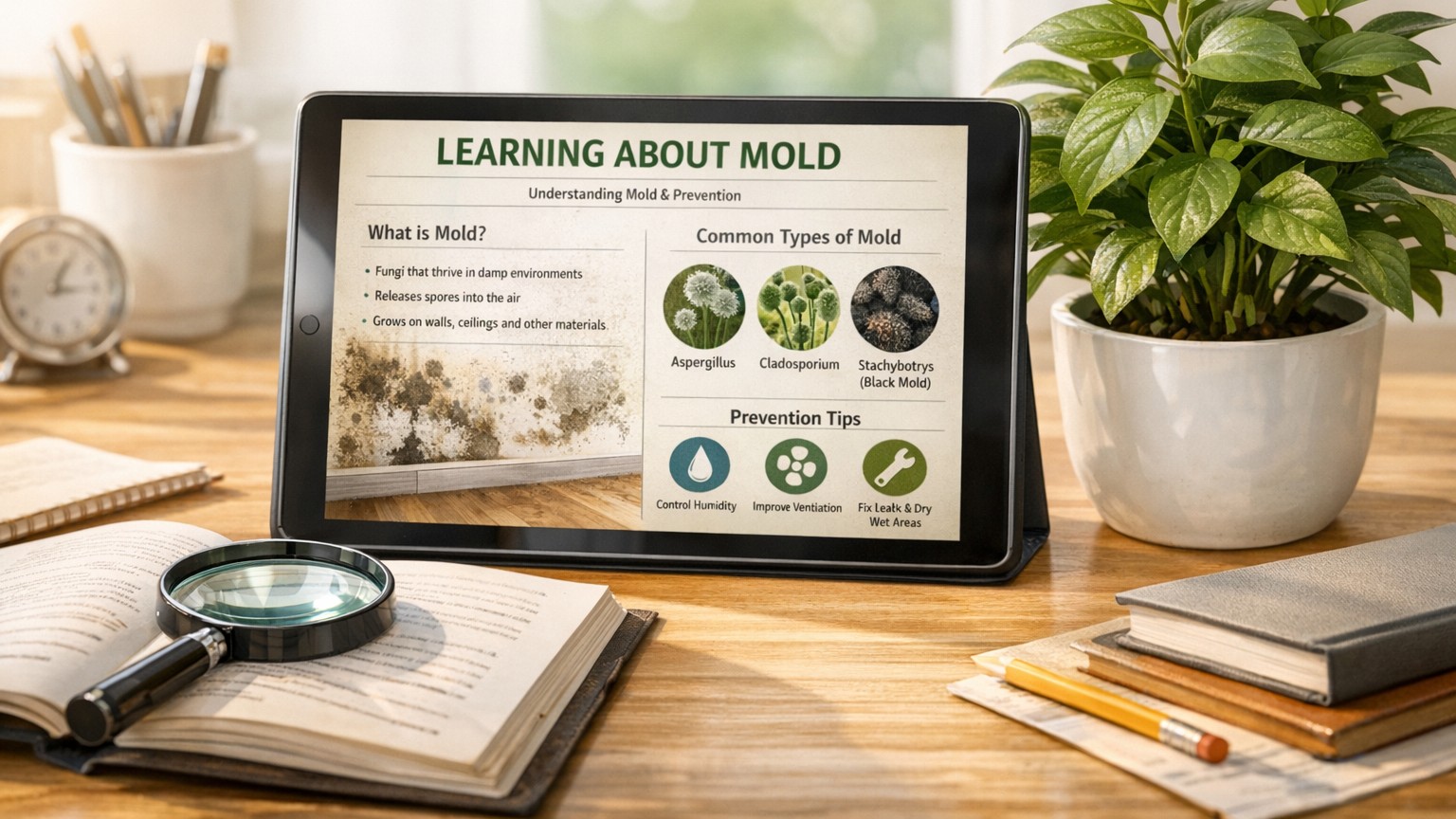
As temperatures drop and leaves fall, your home faces new moisture challenges that can lead to mold growth if left unchecked. Fall is the critical window to prepare your home before winter seals everything up tight. This comprehensive checklist covers the 10 essential tasks that will help you prevent mold problems throughout the colder months.
Winter is actually when more calls come in for mold inspections, according to industry experts. The combination of cold outdoor air, warm indoor air, and everyday activities like cooking and showering creates condensation in all the wrong places. Windows, attics, and poorly insulated walls become mold breeding grounds. Taking action now can save you from costly remediation later.
1. Clean and Inspect Your Gutters
Gutters play a critical role in directing water away from your home. In the fall, they quickly fill with leaves, twigs, and debris. If left clogged, water backs up and can seep into your roof, walls, or foundation, leading to mold, rot, and long-term structural damage.
- Use gloves and a scoop, or hire a professional if your roof is high or steep
- Make sure downspouts are clear and pointed away from your house
- Consider installing gutter guards to reduce future clogs
2. Inspect Your Roof for Damage
Your roof is your first line of defense against water intrusion. When it is damaged, water can enter, leading to mold and structural damage. Look for damaged, warped, or missing shingles along with other visible signs of wear.
- Check for mold, leaves, and debris on the roof surface
- Look for loose or cracked roof boots around vents and pipes
- Examine flashing around chimneys and skylights
3. Check and Clean Your HVAC System
Your heating system is about to work overtime for months. A dirty or malfunctioning HVAC system can circulate mold spores throughout your home and contribute to moisture problems.
- Replace or clean your furnace filter before the heating season begins
- Schedule a professional HVAC inspection if you have not in the past year
- Check that vents and registers are clear of furniture and debris
- Cover outdoor AC units to protect them from winter debris
4. Seal Gaps and Cracks Around Windows and Doors
Drafty windows and doors are not just energy wasters - they create temperature differentials that lead to condensation, a primary cause of mold growth. Check the caulking and weatherstripping around all exterior openings.
- Replace deteriorated weatherstripping on doors
- Re-caulk windows where existing caulk is cracked or missing
- Consider storm windows for single-pane glass
5. Inspect and Repair Bathroom Caulking
Check the caulking around your tubs, showers, and sinks. Cracked or missing caulk lets water seep where it should not, creating the perfect conditions for mold growth and water damage in your bathroom.
6. Test and Service Your Sump Pump
If you have a basement, your sump pump is essential for preventing water accumulation that leads to mold. Test it before winter storms arrive.
- Pour water into the pit to ensure the pump activates
- Check that the discharge pipe is clear and directed away from your foundation
- Consider a battery backup system for power outages
7. Winterize Outdoor Plumbing
Frozen pipes can burst and cause significant water damage, which quickly leads to mold problems. Protect your plumbing before the first hard freeze.
- Shut off water to all outdoor spigots and drain remaining water
- Disconnect and store hoses indoors
- Insulate pipes in unheated areas like crawlspaces and garages
8. Clean and Inspect Your Dryer Vent
A clogged dryer exhaust vent is both a fire hazard and a moisture problem. Lint buildup prevents proper venting, causing humidity to accumulate in your laundry area.
- Disconnect the vent and remove accumulated lint
- Check the exterior vent cover for obstructions
- Ensure the vent duct is not kinked or crushed
9. Rake Leaves and Clear Debris
Wet leaves left on your lawn or piled against your foundation can create mold problems and invite pests. They also suffocate grass, leading to bare patches that can become muddy and contribute to foundation moisture.
- Rake leaves regularly, especially from foundation areas
- Mulch or compost leaves rather than leaving piles
- Clear debris from window wells
10. Check Your Attic Ventilation and Insulation
Your attic plays a crucial role in preventing both mold and ice dams. Poor insulation and ventilation lead to condensation on rafters and sheathing, creating ideal conditions for mold growth.
- Ensure soffit vents are not blocked by insulation
- Check that attic insulation is adequate (16-20 inches recommended)
- Look for signs of moisture or dark staining on wood
When to Call a Professional
If you discover existing mold during your fall inspection, or if you notice musty odors that suggest hidden mold, it is time to consult a professional. Use our DIY vs. Professional quiz to determine the best course of action for your situation.
Taking these preventive steps now will help you avoid the stress and expense of dealing with mold problems during the winter months. A few hours of maintenance work can protect your home and your family health all season long.
Sources and Further Reading
For current moisture and mold guidance, see EPA's A Brief Guide to Mold, Moisture, and Your Home.