
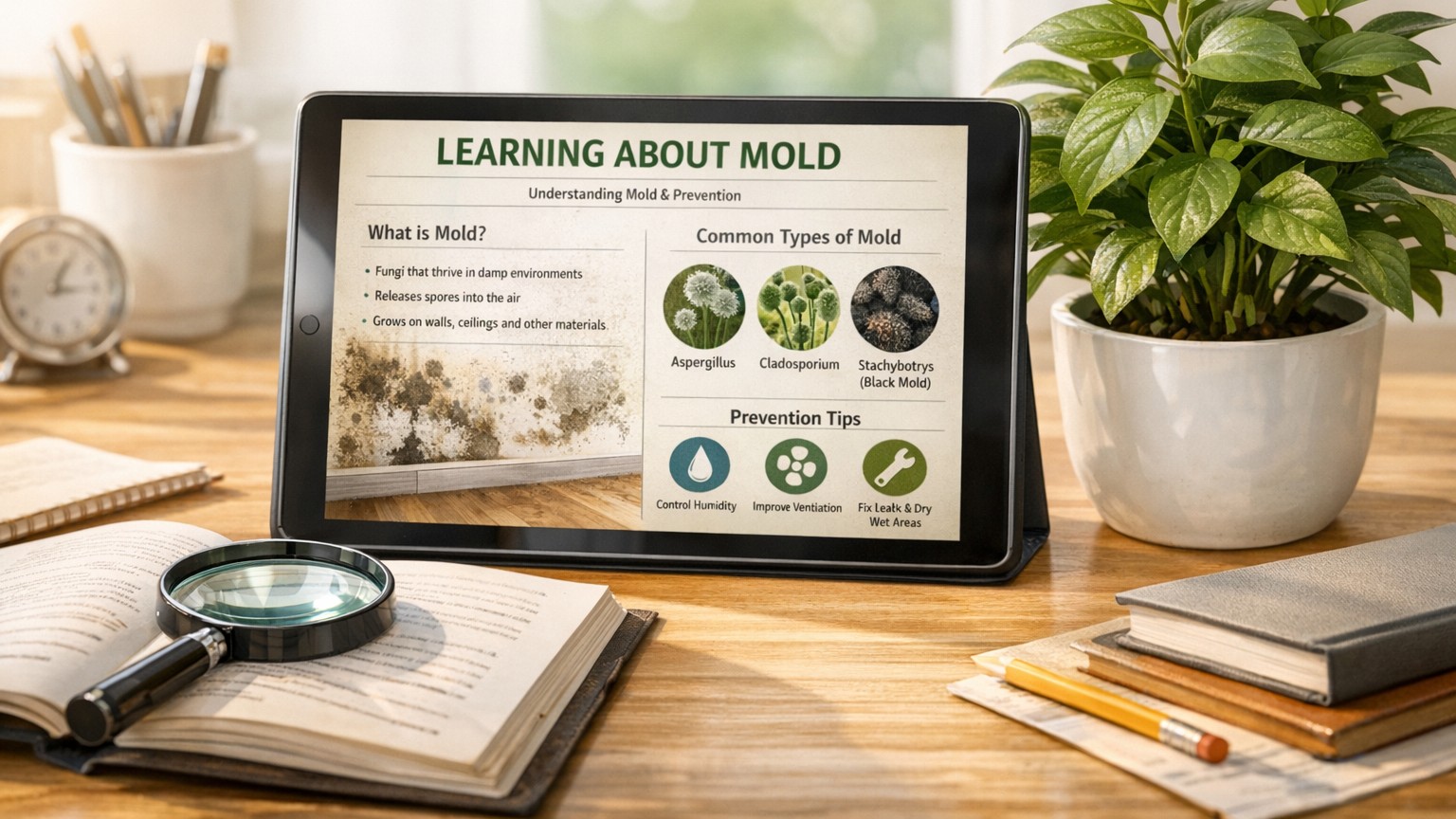
Bathrooms are the most common location for household mold—and summer makes the problem worse. The already-humid environment of a bathroom combines with elevated outdoor humidity to create conditions where mold can appear almost overnight.
If you've struggled with bathroom mold in the past, summer demands extra vigilance. Here's your complete guide to keeping bathrooms mold-free when humidity is at its worst.
Understanding the Summer Challenge
Why is summer harder on bathrooms?
- Outdoor humidity is higher—even with AC, some moisture gets in
- Hot showers add moisture to already-humid air
- AC may not run long enough to dehumidify
- Temperature differences between AC air and shower steam create condensation
- Mold grows faster in warmer temperatures
Mold can grow when a bathroom remains damp, but no fixed clock proves that it will or will not grow. Use 24–48 hours as a prompt-drying target after a leak or wetting event, then assess the actual surface, moisture source, and drying result.
Ventilation: Your First Defense
Exhaust Fan Optimization
Your exhaust fan is critical—but is it working hard enough?
- Verify fan capacity: Should move 1 CFM per square foot (minimum 50 CFM)
- Test operation: Hold tissue to vent—should pull firmly
- Run during and 20-30 minutes AFTER every shower
- Consider timer switches or humidity-sensing fans
- In summer, run longer—humidity takes longer to clear
Upgrade Options
If your current fan isn't adequate:
- Humidity-sensing fans run automatically when moisture rises
- Bluetooth fans can be controlled remotely
- Combination fan/light/heater units for year-round use
- Inline fans are more powerful and quieter
Natural Ventilation
When outdoor humidity is lower than indoor:
- Open windows during/after showers
- Use on dry days, not humid ones
- Cross-ventilation helps (window + door open)
Surface Management
Daily Habits
- Squeegee shower walls after use—removes 75% of moisture
- Spread shower curtain to dry (don't bunch)
- Wipe down sink and counter
- Leave shower door open for air circulation
- Hang wet towels spread out, not bunched
Mold-Prone Surfaces
Focus extra attention on:
- Grout lines—clean weekly with mold-preventing cleaner
- Silicone caulk—inspect regularly, replace when compromised
- Shower curtain liner—wash monthly or replace
- Behind toilet
- Under sink
- Window sills
Caulk and Grout Maintenance
When to Replace Caulk
Compromised caulk allows water behind surfaces where mold thrives:
- Cracking or peeling
- Separation from surface
- Dark staining that doesn't clean
- Mold growth within caulk
Caulk Replacement
- Remove old caulk completely (caulk remover helps)
- Clean surface thoroughly
- Let dry completely (48 hours if possible)
- Apply mold-resistant silicone caulk
- Smooth with wet finger or tool
- Allow to cure per product instructions before use
Grout Maintenance
- Seal grout annually with penetrating sealer
- Clean regularly with appropriate cleaner
- Replace damaged grout promptly
- Consider epoxy grout for shower areas (more resistant)
Cleaning for Prevention
Weekly Routine
- Use a bathroom product labeled for each surface and follow its directions, including ventilation; never mix products
- Clean grout and other cleanable surfaces as the material and label allow
- Clean the exhaust fan cover and confirm the fan vents properly
- Wipe condensation and dry surfaces after bathing
- Clean the toilet base and surrounding surfaces as their materials allow
- Check under the sink and around plumbing for leaks
Monthly Deep Clean
- Remove and wash shower curtain/liner
- Clean exhaust fan blades
- Check caulk condition
- Clean behind toilet
- Inspect for any new mold growth
Effective Products
- For hard, cleanable surfaces, choose a material-appropriate cleaner or detergent and follow the product label, including ventilation and PPE directions. A generic household recipe is not proof of mold removal.
- If a disinfectant or other chemical product is considered, use it only where the label covers the intended material and use. Chemical action does not replace physical removal, cleaning, drying, or source control.
- Commercial products: choose by the surface, intended use, label directions, and safety precautions rather than a broad mold-killing promise.
- Never mix cleaning products. Ventilate and follow the label; do not use a chemical treatment to cover unresolved moisture or visible growth.
Humidity Control
Target: Bathroom humidity should return to household baseline within 30-60 minutes after shower.
Monitoring
- Install hygrometer in bathroom
- Track how long humidity stays elevated
- If still above 60% after an hour, improve ventilation
Active Dehumidification
For persistently humid bathrooms:
- Small bathroom dehumidifier
- Keep bathroom door open to share house AC
- Portable fan to improve circulation
Structural Considerations
Moisture Barriers
If renovating or repairing:
- Use cement board, not drywall, in wet areas
- Install proper vapor barriers
- Use mold-resistant drywall elsewhere in bathroom
- Consider tile to ceiling in shower area
Plumbing Checks
- Fix any dripping faucets—they add humidity
- Check under sink for leaks monthly
- Ensure good drain flow (slow drains hold moisture)
- Check toilet base seal
When Mold Appears
Despite prevention, mold may still appear:
Small Areas
- For a small area on a cleanable surface, first correct the moisture source. Then use a material-appropriate detergent or labeled product according to its directions.
- Follow the product label’s contact and rinsing directions; do not invent a universal wait time.
- Physically clean the surface using the label-appropriate method and protect nearby materials from spread.
- Remove residue as directed and dry the surface completely.
- Identify and correct why the area became damp; recurring growth requires source-control and material investigation, not a stronger recipe.
Recurring Mold
Recurring Mold returning:
- There's likely moisture you're not seeing
- Check behind tiles, walls
- Consider professional inspection
- May need remediation of hidden growth
Summer Bathroom Success
Summer bathroom mold prevention comes down to: ventilation, surface management, and vigilance. Run that exhaust fan religiously, keep surfaces dry, clean regularly, and respond quickly to any mold you spot. Your bathroom doesn't have to be a mold factory just because it's humid outside.
Sources and Further Reading
For current moisture-control guidance, see EPA's Mold Course, Chapter 2: Moisture and Mold Prevention.