
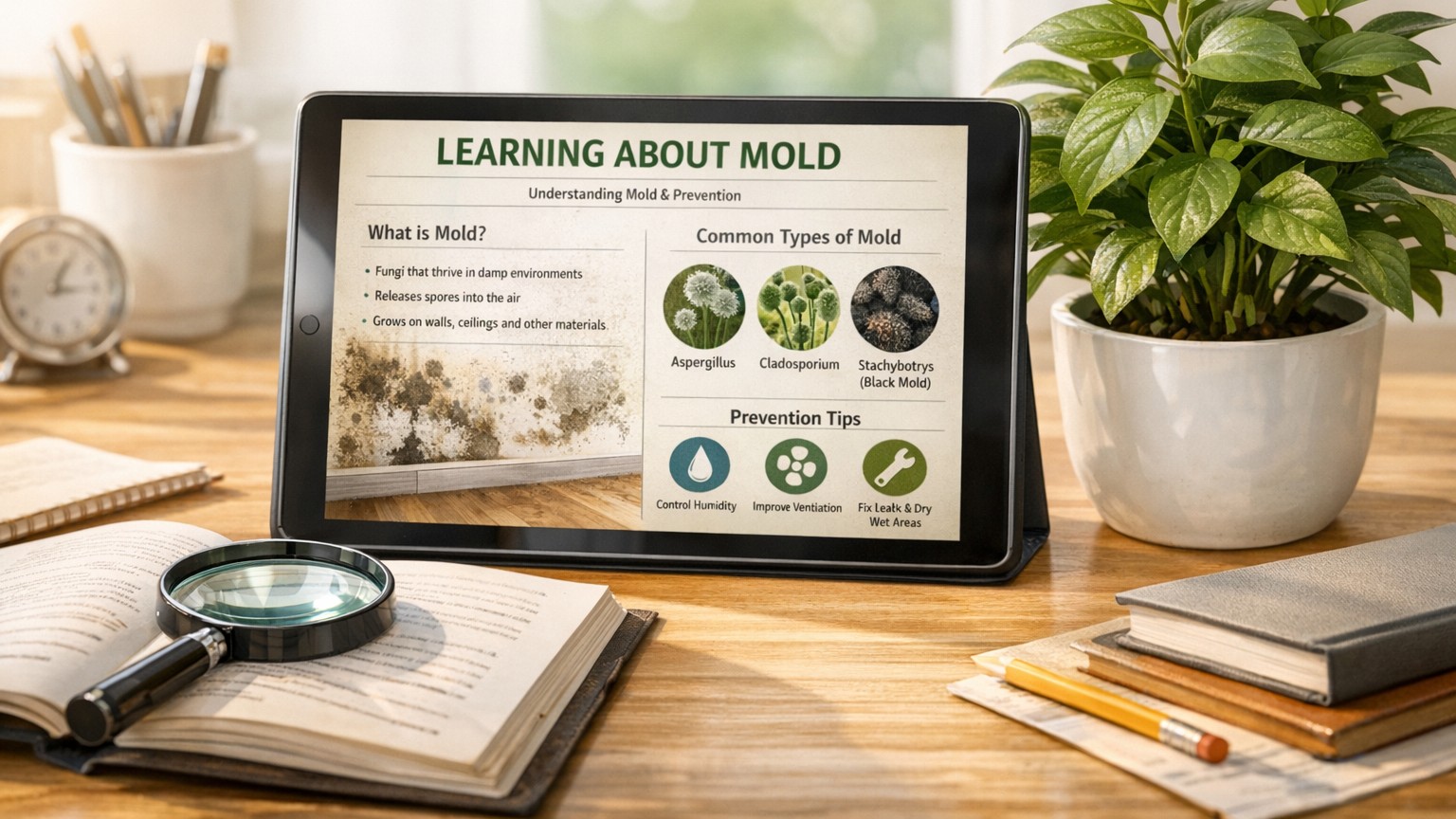
Whether you're sending a child to summer camp or preparing for their first year at college, mold in shared living spaces is a legitimate concern. Institutional buildings—especially older ones—often have moisture problems that lead to mold growth. As a parent, you want to know what to look for and how to protect your child.
Children are particularly vulnerable to mold exposure. Their developing respiratory systems, higher breathing rates, and growing immune systems make them more susceptible to mold-related health effects. Here's what every parent should know.
The Risk at Camps and Dorms
- Older buildings with deferred maintenance
- Communal bathrooms with heavy moisture load
- Poor ventilation in many facilities
- Seasonal use (camps) leading to humidity buildup
- Budget constraints limiting repairs
- High occupancy increasing moisture from breathing, showering
Questions to Ask Before Enrollment
For Summer Camps
- When were the cabins/buildings last inspected for mold?
- What is the mold/moisture policy?
- How are buildings maintained between seasons?
- Is air conditioning available (helps control humidity)?
- What happens if mold is discovered during camp?
- Can you visit and inspect facilities before camp?
For College Dorms
- What is the university's mold policy?
- How do students report mold concerns?
- What is the response time for mold reports?
- Can room changes be made if mold is found?
- Is there a history of mold issues in specific buildings?
- What maintenance is done between semesters?
Warning Signs to Watch For
Visual Signs
- Dark spots on walls, ceilings, or around windows
- Staining on ceiling tiles
- Peeling paint or wallpaper
- Visible moisture on walls or windows
- Water damage evidence
- Discoloration in bathrooms or showers
Smell
Teach your child to recognize:
- Musty or earthy odors
- Smell that doesn't go away with cleaning
- Odor worse in certain areas or after rain
Health Symptoms
Monitor for symptoms that could indicate mold exposure:
- New or worsening allergies
- Respiratory issues—coughing, wheezing
- Frequent headaches
- Fatigue
- Symptoms that improve when away from the building
Preparing Your Child
Educate Them
- Show them what mold looks like
- Teach them to recognize musty smells
- Explain that mold can affect health
- Encourage them to report concerns
Equip Them
- Small fan for air circulation
- Dehumidifier if allowed and needed
- HEPA air purifier for dorm rooms
- Hygrometer to monitor humidity
Prevention Habits
- Open windows when weather allows
- Use exhaust fans during/after showers
- Don't leave wet items in closed spaces
- Report any leaks or water issues immediately
- Keep room reasonably clean
What to Do If Mold Is Found
At Summer Camp
- Document with photos
- Report to camp director immediately
- Request relocation to unaffected area
- If child has health symptoms, seek medical attention
- Request written confirmation of issue and response
- Consider pickup if problem isn't addressed
At College
- Document thoroughly—photos, dates, symptoms
- Report to housing office in writing (create paper trail)
- Copy email to your child so you have records
- Request room change while issue is addressed
- Escalate to environmental health/safety if not addressed
- Seek medical attention if health symptoms develop
- Know your rights
Understanding Rights
Students and parents have rights regarding habitability:
- Most states require habitable housing
- Many universities have specific mold policies
- Housing contracts may address mold
- Students can often request room changes
- Serious issues may warrant refunds
Check your state's specific laws and the institution's policies. Our state-by-state guide covers tenant rights that may apply.
When It's Serious
Consider removing your child immediately if:
- Extensive visible mold
- Institution is unresponsive
- Child has significant health symptoms
- Child has pre-existing respiratory conditions
- Mold returns after "remediation"
Medical Considerations
If your child develops symptoms:
- Document symptom timeline
- Note when symptoms started relative to arrival
- Track whether symptoms improve away from building
- Inform healthcare provider about mold exposure
- Request referral to allergist if symptoms persist
Prevention Is Best
The best approach is choosing facilities wisely:
- Research before enrolling
- Visit facilities if possible
- Ask about maintenance programs
- Check online reviews mentioning mold
- Trust your instincts when touring
Empower Your Child
Ultimately, your child needs to advocate for themselves:
- Teach them it's okay to speak up
- Help them understand what's normal vs. concerning
- Make sure they know you'll support them
- Keep lines of communication open
A healthy living environment is essential for learning and growing. Don't let mold compromise your child's experience—or their health.
Sources and Further Reading
For current indoor-air guidance, see EPA's Improve Indoor Air Quality in Your Home.