
The Atlantic hurricane season runs June 1–November 30; the eastern Pacific season begins May 15. Storms can occur outside those dates. Follow the National Hurricane Center and local emergency officials for your location.
The Federal Alliance for Safe Homes emphasizes prompt action after water intrusion. Treat the first 24–48 hours as a drying and safety target, not a guaranteed mold-growth clock; power, contamination, material type, hidden moisture, and actual drying results determine the next steps. Here is how to prepare.
Before Hurricane Season: Preparation
Home Exterior
A well-maintained exterior reduces the chance of water intrusion:
- Inspect and repair roof—replace missing or damaged shingles
- Clean gutters and downspouts
- Trim trees near your home
- Check windows and doors for proper sealing
- Inspect exterior caulking and repair as needed
- Consider hurricane shutters or impact-resistant windows
Know Your Flood Risk
- Review flood coverage before a storm threatens. NFIP policies generally have a 30-day waiting period, with defined exceptions; ask your insurer or agent to confirm the effective date and terms of your own policy.
Emergency Supplies
Include mold-relevant items in your emergency kit:
- Plastic sheeting and tarps
- Duct tape
- Plan any extraction equipment around safe, dry power and the water source. Floodwater or sewage cleanup needs experienced help. Operate portable generators outdoors at least 20 feet from doors, windows and vents, with exhaust directed away.
- N-95 respirator masks
- Rubber gloves
- Fans (battery or generator-powered if possible)
- Dehumidifier
- Cleaning supplies suitable for the material and situation; never mix household chemicals
- First aid supplies
Know Key Contacts
- Insurance company emergency line
- Water damage restoration companies in your area
- Trusted contractor for emergency repairs
- Local emergency management contacts
When a Storm Is Approaching
48-72 Hours Before
- Move valuable items to upper floors or interior rooms
- Elevate furniture in flood-prone areas
- Photograph current home condition for insurance
- Fill bathtub with water for cleaning (not drinking)
- Charge phones and battery-powered devices
- Fill vehicle gas tanks
24 Hours Before
- Follow evacuation and utility instructions from local authorities
- Do not approach a breaker panel or electrical device through water
- If utilities need isolation and safe access is uncertain, contact the utility or emergency personnel
- Do not delay evacuation to preserve appliance operation
If Evacuating
- Unplug all electronics
- Raise furniture on blocks if possible
- Move important documents and valuables
- Take photos/video of home condition
- Follow official evacuation and utility instructions rather than a blanket rule to leave HVAC running. On return, keep the system off if it may be wet, damaged or contaminated.
After the Storm: Critical First Steps
Safety First
- Don't return until authorities say it's safe
- Watch for downed power lines
- Don't wade through standing water (contamination, hazards)
- Wear protective gear when entering damaged buildings
- Check for structural damage before entering
- Watch for gas leaks
Initial Assessment
Once you can safely enter:
- Document everything with photos and video
- Contact insurance company immediately
- Note water lines on walls
- Check for obvious mold growth
- Note any structural damage
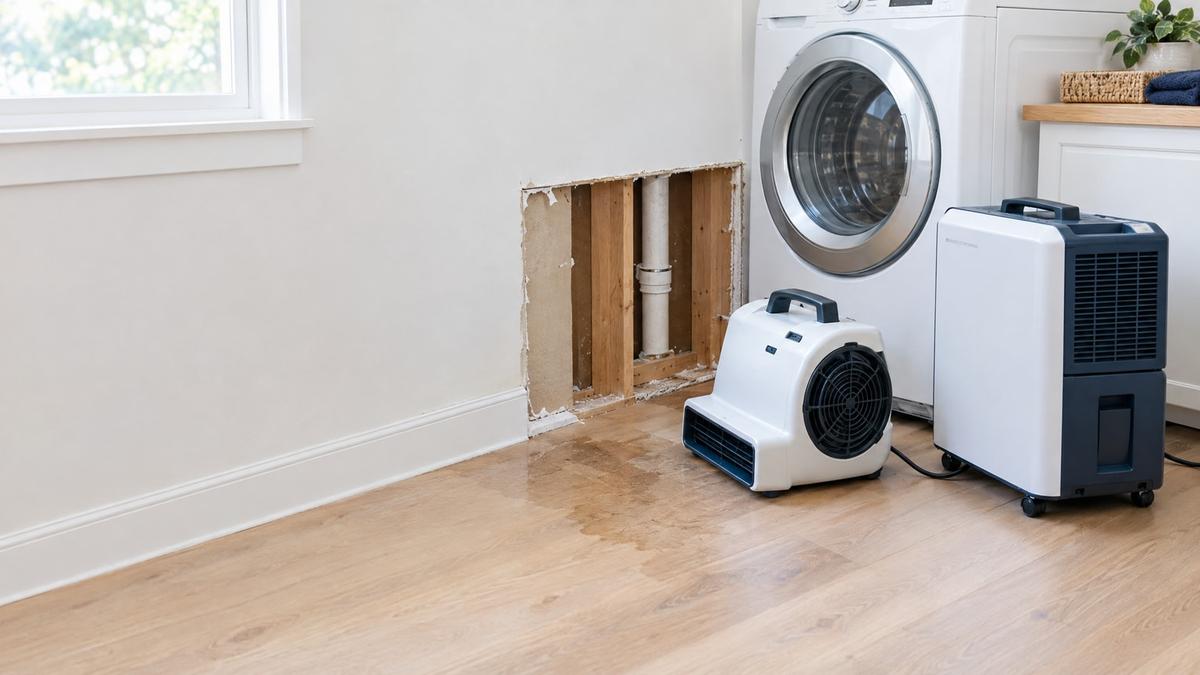
Begin Drying as Soon as It Is Safe
After a hurricane, begin safe source control and drying as soon as conditions allow. The first response matters, but no elapsed-time rule predicts whether mold will grow or whether a material must be removed; assess the actual water, contamination, moisture, and material conditions.
Immediate Actions
- Wait for safe re-entry and assess electrical, structural and contamination hazards
- Do not enter standing water to operate pumps or retrieve equipment
- Use professional help for contaminated water, major flooding or uncertain structural conditions
- Ventilate and dry only after hazards are controlled; do not aim fans across visible mold
What to Remove
Assess porous materials by contamination, saturation and whether they can be cleaned and dried. Document conditions and get a removal plan for widespread or concealed damage.
- Carpet and carpet padding
- Wet insulation
- A drywall removal height depends on the actual wetting, wicking, contamination and wall assembly. Do not use a universal cut line or start demolition before assessing utilities and hazardous materials.
- Upholstered furniture that was submerged
- Mattresses
- Particleboard furniture
- Photograph damaged papers and ask a conservation specialist promptly about important documents or irreplaceable items; do not keep contaminated belongings in occupied rooms while deciding.
Drying Strategy
- Start appropriate drying once the work area and power supply are safe
- Do not direct fans across visible mold or contaminated materials
- Keep suspected contaminated HVAC off pending qualified evaluation
- Track material moisture and inaccessible areas before rebuilding
When Mold Appears
If mold begins growing before you can dry everything:
Small Areas (Under 10 sq ft)
- The area alone does not decide whether cleanup is suitable for DIY work. Floodwater or sewage, hidden damage, unsafe access and HVAC contamination call for experienced professional help even when a visible patch is small.
Large Areas
- Do not attempt DIY—professional remediation needed
- Contain area if possible to prevent spread
- Document for insurance
- Contact restoration professionals
Health Considerations
Post-hurricane mold exposure can cause serious health issues:
- Wear N-95 mask when in moldy environments
- Use gloves and eye protection
- Limit exposure time
- Keep children and vulnerable individuals away
- Seek medical attention for respiratory symptoms
Insurance and Documentation
Proper documentation is crucial for claims:
- Photograph damage and keep an inventory before disposal when it is safe
- Report promptly and ask the insurer what documentation it needs
- Keep receipts and the timeline of emergency repairs
- Do not retain contaminated samples in living areas merely for a claim; ask the insurer how to document them safely
Prepare Now
For more information on water damage response and mold prevention, visit our prevention guide.
Sources and Further Reading
For current moisture and mold guidance, see EPA's A Brief Guide to Mold, Moisture, and Your Home.