
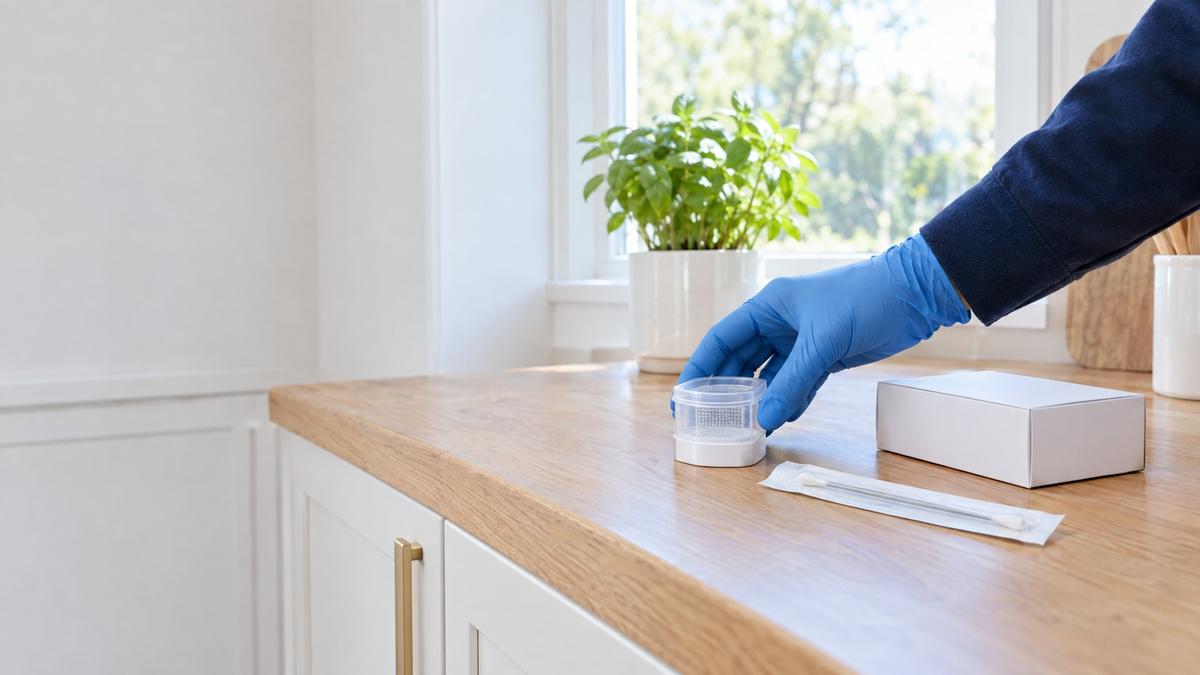
Mold and pollen allergies can cause overlapping symptoms, and more than one trigger may be present. A symptom pattern can inform a clinician’s evaluation but cannot diagnose the trigger by itself.
Understanding whether you're reacting to pollen or mold isn't just academic. It affects how you treat your symptoms, what you avoid, and whether you might have a mold problem in your home that needs addressing.
Symptom Comparison
Both pollen and mold allergies cause similar symptoms because both trigger the same type of immune response:
Symptoms Common to Both
- Sneezing
- Runny or stuffy nose
- Itchy, watery eyes
- Itchy throat
- Postnasal drip
- Coughing
Symptoms That Need Context
Report persistent or unusual symptoms to a clinician; the following observations do not specifically identify mold allergy.
- Skin irritation or rashes
- Dry, scaly skin
- Headaches
- Difficulty concentrating can have many causes and is not a mold-allergy test.
- Fatigue
- Worsening asthma symptoms
The difference often comes not from the type of symptoms but from their pattern and triggers.
Key Differences: Timing and Triggers
Pollen Allergy Patterns
- Symptoms worst during specific seasons (tree pollen in early spring, grass in late spring, ragweed in fall)
- Weather changes pollen and mold-spore conditions in different ways; improvement on a rainy day does not identify a trigger.
- Daily pollen patterns vary with the plant, location and weather; consult local counts rather than assuming every morning has the highest exposure.
- Symptoms improve indoors in air conditioning
- Geographic patterns—may be fine in some locations but miserable in others
Mold Allergy Patterns
- Can occur year-round, though may worsen in spring and fall
- Some mold exposure patterns vary with damp conditions, but weather alone cannot establish what caused symptoms.
- May worsen in specific indoor locations (basement, bathroom, etc.)
- Worse when raking leaves, mowing, or disturbing organic material
- Improvement while traveling is useful history, but destinations, activities, treatments and several indoor and outdoor exposures change together.
The Home Connection
Record When and Where Symptoms Occur
Indoor Observations to Discuss
- Symptoms worse at home than elsewhere
- Symptoms improve when away for extended periods (vacation)
- Symptoms worst in certain rooms
- Symptoms worsen in damp weather even when indoors
- Family members or pets also having symptoms
- Musty odors in your home
Outdoor Observations to Discuss
- Symptoms worst when outdoors
- Clear improvement when you come inside
- Symptoms track with local pollen counts
- No symptoms during winter months
- Symptoms in car with windows down
Self-Assessment Questions
Use these questions to build a symptom diary for your healthcare visit, not to diagnose yourself:
- Do symptoms change away from home, and what else changes at the same time?
- How do symptoms relate to local pollen or mold counts and weather?
- Do symptoms occur in a particular room, and are there visible leaks, damp materials, pets, dust or other possible triggers there?
- Does the pattern recur in a season? Both pollen and outdoor mold can be seasonal.
- Is there an unresolved odor or moisture problem worth investigating separately from the medical question?
- Does using air conditioning change symptoms? Record that observation without assuming which allergen caused it.
- Do yard work or other outdoor activities coincide with symptoms? Multiple allergens and irritants may be involved.
Professional Diagnosis
An allergist considers symptoms, history and examination and may use appropriate skin or blood testing. A positive result shows sensitization and must be interpreted clinically; it does not prove that a particular home caused illness.
Skin Prick Testing
Small amounts of allergens are placed on the skin (usually forearm or back), then the skin is pricked. Reactions indicate sensitivity. Tests for both pollen and mold allergens.
Blood Testing
Measures antibodies to specific allergens in your blood. Can test for many allergens at once. Useful when skin testing isn't possible.
When to See a Doctor
Seek professional evaluation if:
- Over-the-counter treatments aren't providing relief
- Symptoms significantly impact daily life
- You're developing asthma symptoms
- You suspect a mold problem at home or work
- Symptoms are year-round rather than seasonal
Treatment Differences
Treatment for both conditions involves similar medications (antihistamines, nasal corticosteroids, etc.), but prevention strategies differ significantly:
Pollen Prevention
- Check pollen counts and limit outdoor time when high
- Keep windows closed during pollen season
- Shower after outdoor activities
- Use HEPA filters in home and car
- Wear sunglasses outdoors
- Consider immunotherapy for severe cases
Mold Prevention
- Correct indoor leaks and damp materials; monitor humidity
- Maintain HVAC filters and condensate drainage according to the equipment instructions
- Keep a symptom and activity record for your clinician
- Avoid cleanup work if you have mold allergy, asthma or another condition that makes exposure unsafe; obtain medical guidance
What If It's Mold in Your Home?
If your detective work suggests home mold, take action:
- Check obvious locations first, including bathrooms, under sinks, and basements
- Use a moisture meter to identify damp areas, treating readings as clues rather than a diagnosis
- If you cannot locate a moisture source, consider a qualified visual and moisture assessment; sampling is only useful for a defined building question
- Address identified moisture or visible growth using material-appropriate guidance
- Fix the moisture source and monitor conditions for recurrence
Our DIY vs. Pro tool can help you determine whether to tackle mold yourself, and our Find a Pro directory connects you with qualified professionals if needed.
The Bottom Line
Continue the treatment plan recommended by your clinician while correcting documented moisture problems. Building repairs and medical evaluation answer different questions.
Sources and Further Reading
For current health information, see CDC's About Mold and Your Health.