
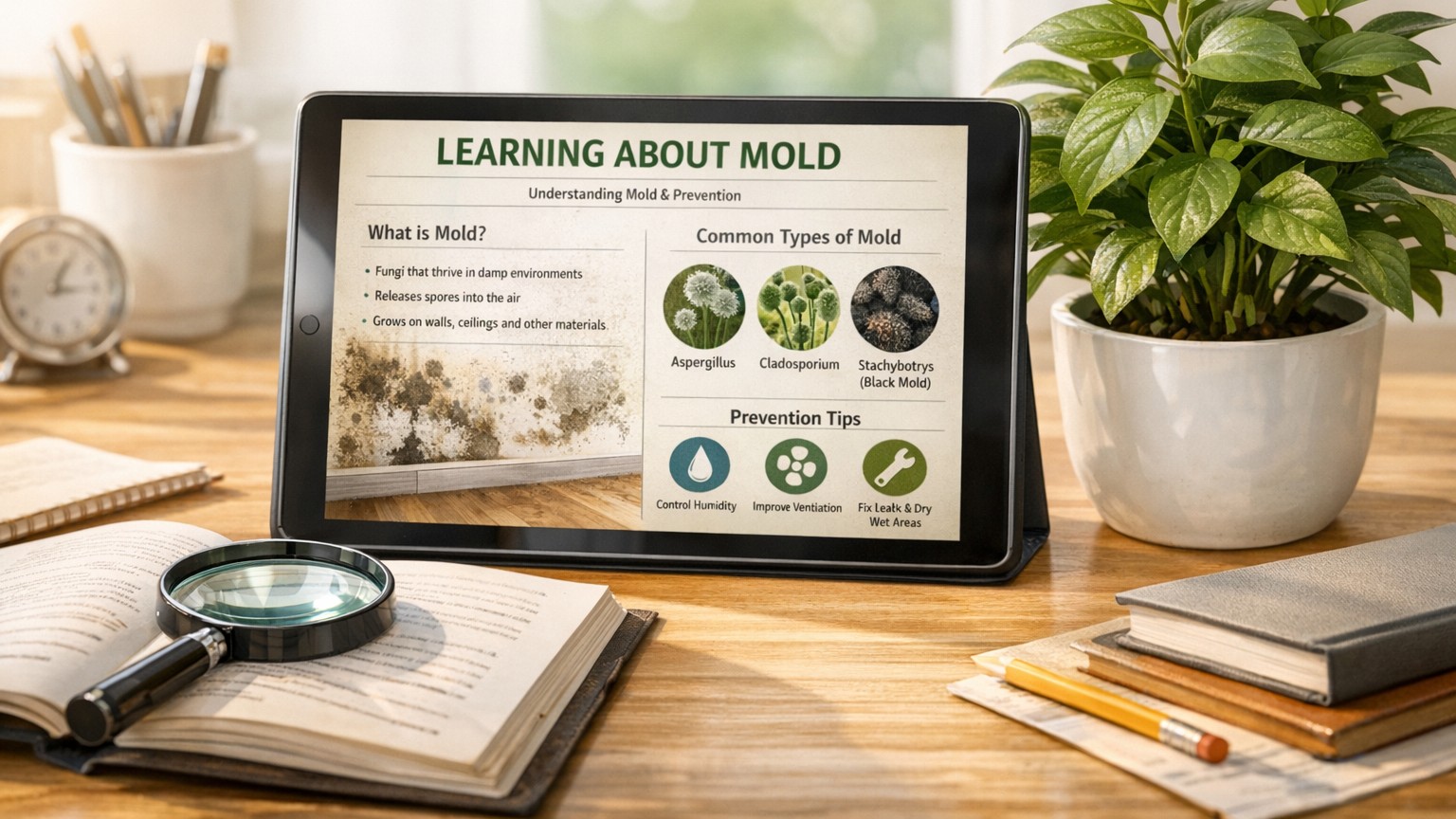
You've sealed up the windows, cranked up the heat, and settled in for winter. Your home feels cozy and protected from the elements. But here's what most homeowners don't realize: that same sealed environment that keeps you warm is also creating ideal conditions for mold growth—and the air you're breathing could be two to five times more polluted than the air outside.
Why Winter Is Prime Time for Mold
Understanding what causes mold to grow explains why winter creates such problematic conditions. Mold needs three things: moisture, organic material to feed on, and temperatures between 40-100°F. Your heated, sealed winter home provides all three in abundance.
The perfect storm of winter mold factors:
Condensation buildup: When warm indoor air meets cold windows and exterior walls, moisture condenses on these surfaces. This window condensation creates persistent damp spots where mold thrives.
Reduced ventilation: Sealed windows mean moisture from cooking, showering, breathing, and even houseplants has nowhere to go. It accumulates in your home's air and settles on surfaces.
HVAC circulation: Your heating system doesn't just move warm air—it circulates whatever is in that air throughout your entire home. If there's mold growing in one area, spores can spread to every room through your ductwork.
Hidden moisture sources: Ice dams, frozen pipe leaks, and melting snow tracked inside all introduce water into areas that may not dry properly during cold months.
The Health Stakes Are Higher Than You Think
"Mold is definitely the worst pollutant for your lungs," according to Dr. Abu Homoud, as reported by Hackensack Meridian Health. "The spores secrete toxins that can lead to infections."
The Institute of Medicine has found sufficient evidence linking indoor mold exposure to upper respiratory tract symptoms, coughing, and wheezing in otherwise healthy people; worsened asthma symptoms in people with asthma; and hypersensitivity pneumonitis in susceptible individuals. Vulnerable populations—including children, elderly adults, and those with compromised immune systems—face even greater risks.
The Humidity Sweet Spot
Effective humidity control is your first line of defense against winter mold. The target range is 30-50% relative humidity. Below 30%, you'll experience dry skin, irritated sinuses, and static electricity. Above 50%, you're creating conditions favorable to mold growth.
Essential humidity management strategies:
Invest in a hygrometer if it helps you monitor humidity. Product prices vary; use the readings with visible moisture, ventilation, and material evidence rather than treating one number as a mold or health guarantee.
Use exhaust fans properly: Run bathroom exhaust fans during showers and for at least 20-30 minutes afterward. Use range hoods while cooking, especially when boiling water or using high heat. If you don't have an exhaust fan in your bathroom, consider a dehumidifier for that space.
Deploy dehumidifiers strategically: Basements, crawl spaces, and any rooms that consistently read above 50% humidity need dedicated dehumidification.
Open windows briefly: Even in winter, opening windows for 5-10 minutes per day allows moisture-laden air to escape and fresh air to enter. This brief ventilation can significantly reduce indoor humidity levels.
The Humidifier Trap: When "Help" Makes Things Worse
Here's a counterintuitive warning that catches many homeowners off guard: that humidifier you're running to combat dry winter air might be making your indoor air quality worse, not better. According to Cleveland Clinic, humidifiers "can suck up dust and aerosolize it, making it easier for particles to get into the lungs."
Worse still, humidifiers are notoriously difficult to clean properly. If not maintained correctly, they can grow mold and bacteria that then get aerosolized and inhaled every time the unit runs. If you must use a humidifier:
- Clean it thoroughly every 2-3 days
- Use distilled water only
- Replace filters according to manufacturer guidelines
- Monitor room humidity and turn it off when levels reach 45-50%
- Consider a model with built-in humidistat that auto-regulates
Your HVAC System: Friend or Foe?
Your heating system can either be your greatest ally against mold or its biggest enabler. The difference comes down to maintenance and filter quality. Problems with HVAC mold can affect every room in your home, making this a critical area to address.
Filter upgrades matter: Standard furnace filters (MERV 1-4) capture less than 20% of airborne particles. Upgrading to a MERV 11-13 filter can capture most mold spores before they circulate through your home. Just ensure your system can handle the increased resistance—check your owner's manual or consult an HVAC professional.
Annual professional inspection: Have your entire HVAC system inspected before heating season begins. Technicians can identify moisture problems in ductwork, check for mold growth in the system, and ensure proper drainage from any humidification components.
Monthly Winter Inspection Checklist
Prevention is far easier than remediation. A monthly inspection routine can catch problems early when they're still manageable. Here's what to check:
Windows and exterior walls: Look for condensation, frost patterns, or water staining. Window condensation on the inside of double-pane windows indicates failed seals or excessive indoor humidity.
Bathrooms: Check grout lines, caulking around tubs and showers, under sinks, and around toilets. Bathroom mold often starts in these areas.
Basement and crawl space: These areas are especially vulnerable. Check for standing water, damp walls, or musty smells that indicate mold even when you can't see it. Basement mold can grow extensively before becoming visible.
Attic: Check for ice dam damage, roof leaks, and proper ventilation. Attic mold from winter moisture problems often isn't discovered until spring.
Kitchen: Inspect under the sink, around the dishwasher, and behind the refrigerator. Check range hood filter and ensure it vents to the exterior.
The 24-48 Hour Window
Dry wet materials promptly after a leak or spill when it is safe. Treat 24–48 hours as a prompt-drying target, not proof that mold will or will not grow; actual moisture, material, contamination, hidden wet areas, and drying results determine the response.
Winter water emergency response:
- Identify and stop the water source
- Remove standing water immediately
- Set up fans and dehumidifiers to speed drying
- Remove wet materials that can't be dried quickly (carpet padding, insulation)
- Monitor the area for several days to ensure complete drying
When to Call a Professional
Not all mold situations can be handled with DIY methods. Understanding when to hire a professional vs. tackle it yourself is important:
Call a professional when:
- Visible mold covers more than 10 square feet
- Mold is in HVAC systems or ductwork
- Family members are experiencing health symptoms
- The source of moisture hasn't been identified
- There's been significant water damage
- You suspect hidden mold behind walls or under flooring
Use our DIY vs. Pro Assessment Tool to help determine the right approach for your situation.
Taking Control of Your Winter Air Quality
Winter doesn't have to mean compromising your indoor air quality. With proper humidity management, regular inspections, and prompt response to moisture issues, you can keep your home warm AND healthy.
The key takeaways:
- Keep indoor humidity between 30-50%
- Change HVAC filters monthly during heating season
- Use exhaust fans in bathrooms and kitchens
- Be cautious with humidifiers—they can cause more problems than they solve
- Inspect problem areas monthly
- Respond to water intrusions within 24-48 hours
Your sealed-up winter home may feel cozy, but staying vigilant about moisture and air quality will ensure it stays healthy too.