%20--%3e%3cpath%20d='M128%2056%20L144%20128%20L128%20116%20L112%20128%20Z'%20fill='%23d39b4a'/%3e%3c!--%20Compass%20needle%20-%20South%20(white)%20--%3e%3cpath%20d='M128%20200%20L144%20128%20L128%20140%20L112%20128%20Z'%20fill='%23ffffff'%20opacity='0.85'/%3e%3c!--%20Center%20circle%20--%3e%3ccircle%20cx='128'%20cy='128'%20r='12'%20fill='%23d39b4a'/%3e%3ccircle%20cx='128'%20cy='128'%20r='6'%20fill='%230f4f52'/%3e%3c/svg%3e)
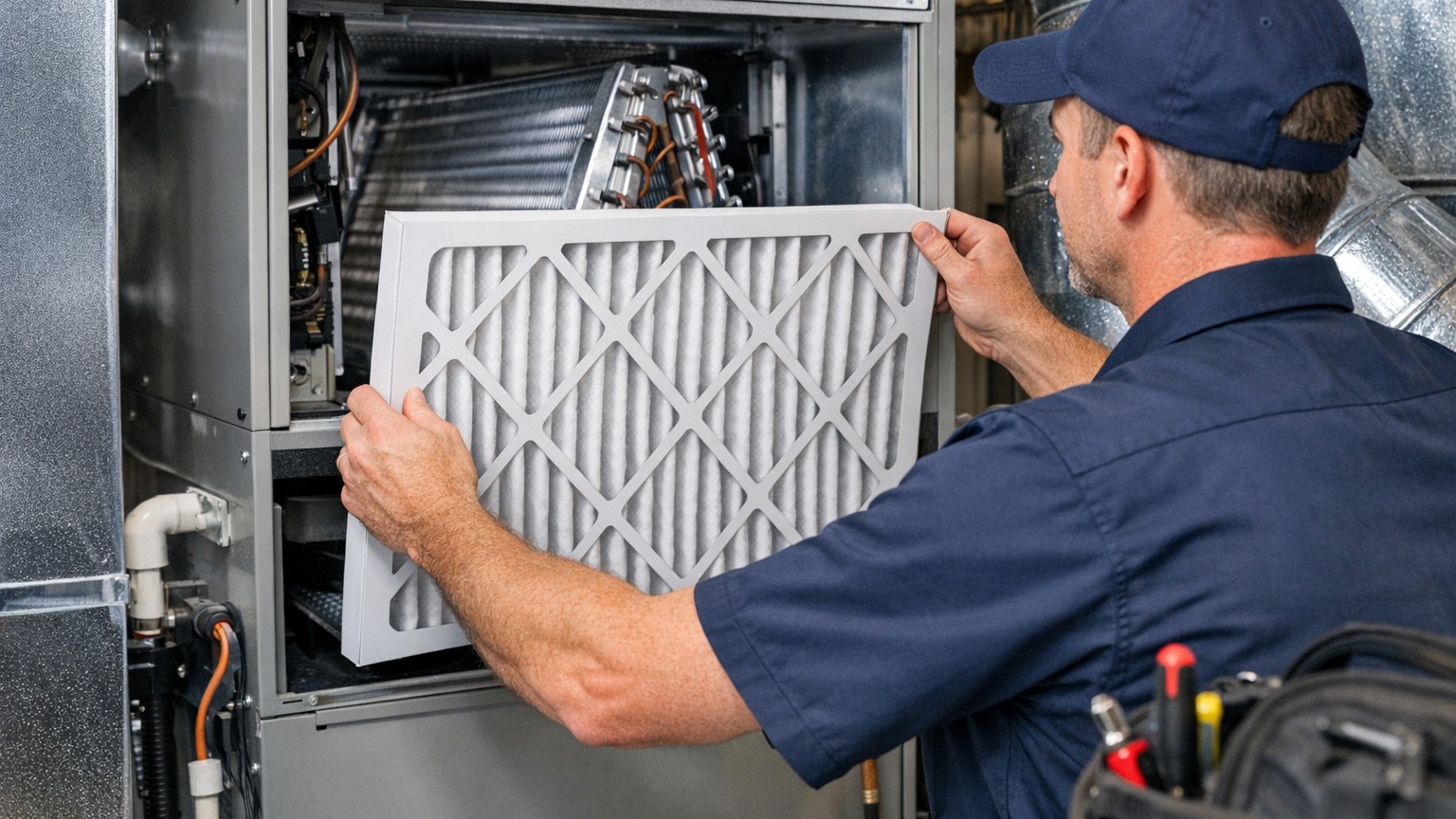
Why HVAC Mold Is a Bigger Deal
Air handlers and ductwork can distribute spores and odors to multiple rooms. Condensation on coils, dirty filters, and damp insulation are common triggers. Addressing the moisture source is essential before cleaning ducts.
Common Causes
- Condensation on cooling coils or in drain pans
- Clogged condensate drain lines
- High indoor humidity and poor airflow
- Dirty filters or dust buildup
- Insulated ductwork with moisture intrusion
When Duct Cleaning Is Recommended
EPA Guidance
- Visible mold growth inside hard-surface ducts or components
- Mold growth on HVAC system parts
- Excessive dust or debris restricting airflow
- Evidence of vermin in ducts
When It Is Not
- Routine cleaning as a preventive measure
- Cleaning without evidence of contamination
- Cleaning without fixing moisture problems
What a Proper HVAC Mold Response Includes
Preventing Return
- Change filters on schedule and use the correct size
- Keep indoor humidity below 60%
- Ensure condensate drains are clear
- Seal duct leaks and improve insulation
- Schedule annual HVAC maintenance