
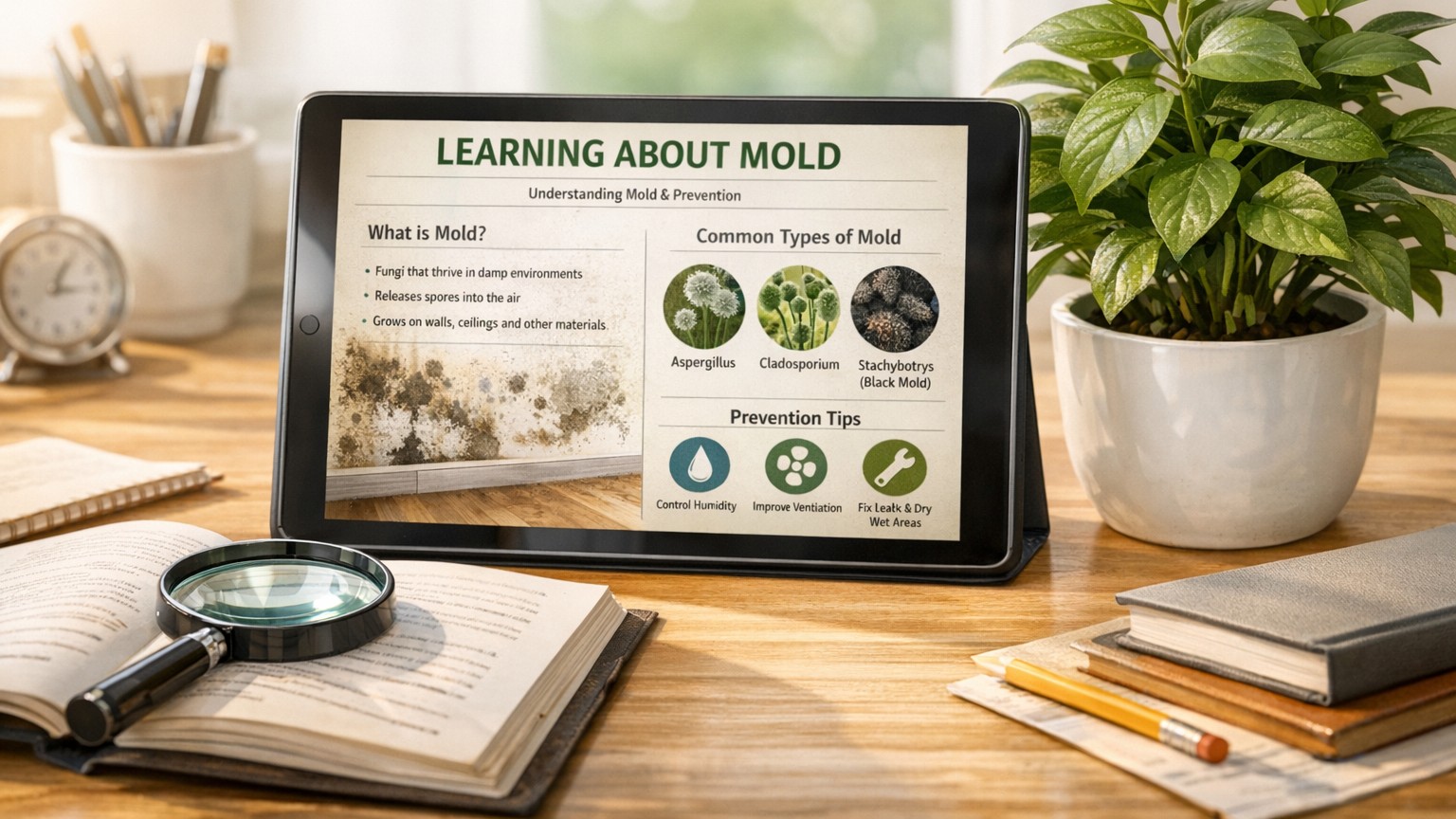
As spring arrives, many people celebrate the end of winter—but for mold allergy sufferers, the season brings renewed challenges. While we often think of pollen as the primary spring allergen, mold spores are equally problematic and often overlooked. Understanding this hidden threat is the first step to protecting your family.
Why Spring is Prime Time for Mold Allergies
Several factors combine to make spring particularly challenging for mold-sensitive individuals:
The Thaw Effect
As snow melts and frozen ground thaws, moisture levels spike. Dead plant material that was preserved under snow begins decomposing, releasing mold spores. This process happens both outdoors—affecting anyone who ventures outside—and in poorly maintained areas of homes.
Rain and Humidity
April showers don't just bring May flowers; they bring mold growth. Sustained moisture from spring rains creates ideal conditions for mold proliferation. Indoor humidity rises as we open windows to enjoy warmer weather, often without realizing we're inviting moisture (and mold spores) inside.
Temperature Fluctuations
Spring's wild temperature swings create condensation problems. When warm air meets cold surfaces, moisture forms—and where there's moisture, mold can follow.
Recognizing Mold Allergy Symptoms
Mold allergy symptoms can mimic those of hay fever (seasonal allergic rhinitis), making them easy to dismiss or misattribute. Common symptoms include:
- Sneezing and runny or stuffy nose
- Itchy, watery, red eyes
- Postnasal drip
- Coughing and wheezing
- Itchy throat
- Dry, scaly skin
What distinguishes mold allergies from pollen allergies is often the pattern of symptoms. Mold allergy sufferers may notice symptoms that:
- Worsen in damp or humid conditions
- Flare up when around decomposing plant material
- Improve in dry, arid environments
- Continue after pollen season ends
- Occur or worsen indoors, especially in basements or bathrooms
When Symptoms Become Serious
For some people, particularly those with asthma, mold exposure can trigger more serious reactions:
- Asthma attacks
- Difficulty breathing
- Chest tightness
- Severe coughing or wheezing
If you or a family member experiences these symptoms, especially in combination with fever or difficulty breathing, seek medical attention. Learn more about when to see a doctor for mold-related symptoms.
Vulnerable Populations
While mold allergies can affect anyone, certain groups face higher risks:
- Children (still-developing immune and respiratory systems)
- Elderly adults
- People with existing asthma or allergies
- Those with weakened immune systems
- People with chronic respiratory conditions
If your household includes vulnerable individuals, extra vigilance during mold season is essential.
Reducing Indoor Mold Exposure
You have the most control over your indoor environment. Focus your efforts here:
Humidity Control
The EPA recommends keeping indoor humidity below 60%, ideally between 30-50%. During spring, this requires active management.
- Use dehumidifiers in basements, bathrooms, and other humid areas
- Monitor humidity levels with hygrometers in multiple rooms
- Run exhaust fans during and after bathing and cooking
- Vent clothes dryers to the outside
- Fix any leaks promptly
Air Filtration
Quality air filtration can significantly reduce airborne mold spores:
- Use HEPA filters in your HVAC system
- Consider standalone air purifiers in bedrooms
- Change filters regularly (monthly during peak season)
- Have HVAC ducts professionally cleaned if suspect contamination
Regular Cleaning
Prevent mold from establishing in your home:
- Clean bathrooms weekly with mold-killing products
- Promptly dry any water spills or condensation
- Wash shower curtains and bathroom textiles regularly
- Keep kitchen surfaces dry
- Check under sinks monthly for leaks
Problem Area Attention
Focus extra attention on areas where mold commonly grows:
- Basements: Run dehumidifiers; check for water intrusion
- Bathrooms: Ensure proper ventilation; repair grout and caulk
- Kitchens: Check under appliances; clean refrigerator drip pans
- Bedrooms: Check windowsills; avoid humidifiers if allergic
Reducing Outdoor Exposure
While you can't control outdoor mold, you can limit your exposure:
- Check local mold counts and limit outdoor time when high
- Avoid raking leaves or working with compost (wear an N-95 mask if necessary)
- Keep car windows closed; use AC with filtered air
- Remove shoes at the door to avoid tracking in spores
- Shower after extended outdoor time during peak season
- Keep windows closed on high-mold days
Medical Management
For many people, environmental controls alone aren't sufficient. Medical management options include:
- Over-the-counter antihistamines
- Nasal corticosteroid sprays
- Decongestants
- Immunotherapy (allergy shots) for severe cases
Consult with an allergist if your symptoms significantly impact your quality of life or if over-the-counter remedies aren't providing relief.
When Home Mold Is the Problem
If your symptoms are consistently worse at home, you may have a mold problem in your living space. Signs include:
- Symptoms that improve when away from home
- Musty odors in certain areas
- Visible mold growth anywhere
- Recent water damage or flooding
- High humidity despite your control efforts
If you suspect a home mold problem, consider professional testing to identify and locate the source.
This Season and Beyond
Spring mold season is manageable with the right approach. Focus on what you can control: keep indoor humidity low, maintain good ventilation, clean regularly, and address any water issues promptly. For sensitive family members, consider medical management to complement environmental controls.
If you need professional help addressing mold in your home, our Find a Pro directory can connect you with qualified specialists in your area.