
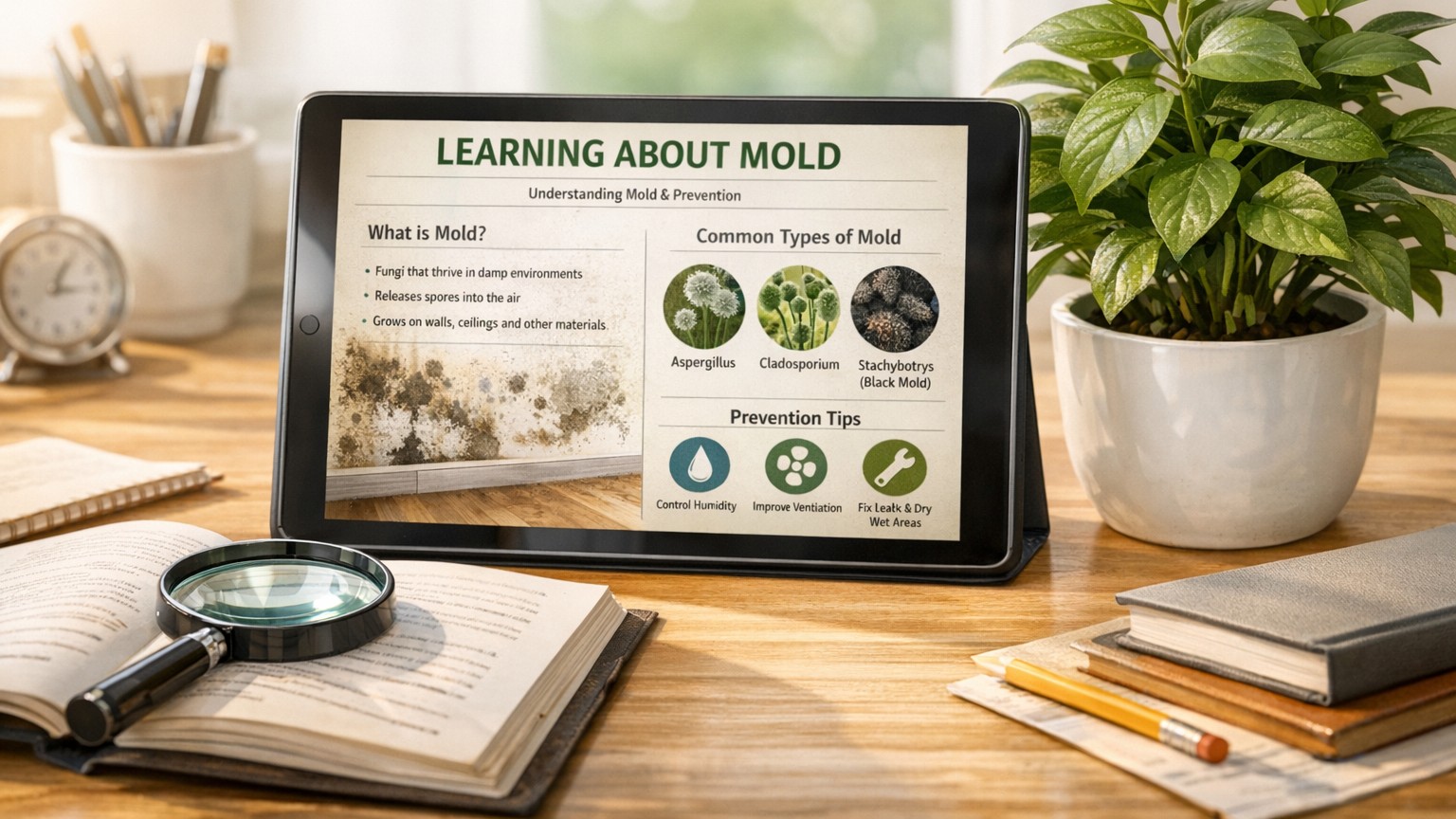
Every winter, millions of homeowners wake up to find their windows covered in moisture—foggy glass, water droplets streaming down the panes, and damp windowsills. While it might seem like a minor inconvenience, this condensation is actually a warning sign of a much more serious problem: mold.
In this comprehensive guide, we'll explore exactly why window condensation happens during winter, the serious health risks associated with window mold, and nine proven strategies to protect your home and family.
The Science Behind Winter Window Condensation
To understand how to prevent window mold, you first need to understand why condensation forms in the first place.
When warm, moist indoor air comes into contact with a cold surface like window glass, the air cools rapidly. Cold air cannot hold as much moisture as warm air, so the excess water vapor condenses into liquid droplets on the glass surface. This is the same phenomenon that causes dew to form on grass on cool mornings.
During winter, this process intensifies dramatically. The temperature difference between your heated indoor air and the cold glass surface creates optimal conditions for condensation. Every time you cook, shower, run the dishwasher, or even breathe, you're adding moisture to your indoor air. Without adequate ventilation, this moisture accumulates and finds its way to the coldest surfaces in your home—typically your windows.
Why Window Condensation Leads to Mold Growth
Condensation itself isn't harmful—but when that moisture sits on surfaces for extended periods, it creates the perfect environment for mold growth. Mold spores are naturally present in virtually all indoor environments, waiting for the right conditions to colonize and spread.
The areas around windows provide everything mold needs to thrive:
- Moisture: Condensation provides a continuous water source
- Organic material: Window frames (especially wooden ones), caulk, dust, and paint residue all serve as food sources
- Limited airflow: Curtains and blinds often trap moisture against window surfaces
- Moderate temperatures: Even cold window surfaces typically remain above freezing indoors
When condensation repeatedly wets a windowsill or adjacent material, dry the surface and correct the moisture source promptly. EPA treats 24–48 hours as a prompt-drying target, not proof of growth or no growth; inspect actual materials and hidden moisture.
The most common locations for window mold include:
- Windowsills and frames
- The junction where window frames meet walls
- Behind blinds or curtains
- In and around window tracks
- On and around weather stripping
Health Risks of Window Mold Exposure
Window mold might seem like a minor cosmetic issue, but the health implications can be serious—especially for vulnerable populations.
The U.S. Army Public Health Command confirms that living or working in a building with mold may result in increased risk of respiratory disease. This finding is supported by the CDC, the Institute of Medicine, the World Health Organization, and Health Canada.
Common symptoms of mold exposure include:
- Nasal congestion and runny nose
- Eye irritation and watering
- Coughing and wheezing
- Throat irritation
- Skin rashes
- Headaches
- Children: Research shows children face a threefold increased risk of developing asthma if exposed to mold early in life
- Elderly individuals: Often have weakened immune systems or existing respiratory conditions
- People with asthma or allergies: Mold is a direct trigger that can cause severe symptom flares
- Immunocompromised individuals: At risk for more serious infections
If you're experiencing unexplained respiratory symptoms that seem worse at home—especially near windows—mold exposure may be the cause. Our guide on when to see a doctor can help you determine when professional medical evaluation is needed.
9 Proven Strategies to Prevent Winter Window Condensation and Mold
1. Monitor and Control Indoor Humidity
The CDC recommends keeping humidity levels in your home no higher than 50% throughout the day. Since humidity fluctuates, you'll need to check levels multiple times daily.
Action steps:
- Use a hygrometer to track humidity in multiple rooms, especially near windows
- Check humidity levels in multiple rooms, especially near windows
- Aim for 30-50% relative humidity while considering the season, building, and condensation
- If levels stay high or condensation recurs, reduce indoor moisture and investigate the source
For more detailed guidance, see our comprehensive guide to humidity control.
2. Improve Ventilation Throughout Your Home
Winter's tendency to "seal up" homes traps moisture inside. Strategic ventilation can dramatically reduce condensation.
Action steps:
- Run bathroom exhaust fans during and for 20-30 minutes after showers
- Use range hoods when cooking, especially when boiling water
- Crack a window briefly during high-moisture activities
- Ensure dryer vents exhaust outdoors (not into basements or garages)
- Open interior doors to improve air circulation
3. Maintain Consistent Heating
One counterintuitive finding: keeping your home warmer actually reduces condensation. When you lower your thermostat significantly at night, surfaces cool down and attract more condensation from the relatively warmer air.
Action steps:
- Keep heating at a consistent level rather than dramatic temperature swings
- Consider raising your thermostat a few degrees during peak condensation periods
- Use programmable thermostats to maintain stable temperatures
4. Use Dehumidifiers Strategically
Dehumidifiers are one of the most effective tools for controlling indoor humidity, especially in problem areas.
Action steps:
- Place dehumidifiers in rooms with chronic condensation problems
- Empty water reservoirs regularly or connect to a drain
- Clean dehumidifiers monthly to prevent mold growth inside the unit
- Size your dehumidifier appropriately for the room size
For help selecting the right unit, see our dehumidifier guide.
5. Address Window Condensation Immediately
- Wipe down condensation on windows and sills every morning
- Use a microfiber cloth or squeegee for efficient water removal
- Dry windowsills thoroughly—don't just push water around
- Check behind curtains and blinds where moisture can hide
6. Upgrade Window Treatments
Your window treatments can either help or hurt the condensation problem.
- Avoid heavy curtains that trap moisture against windows
- Leave curtains or blinds open during the day to allow air circulation
- Consider moisture-resistant window treatments for problem areas
- Ensure blinds and curtains don't sit directly against the glass
7. Improve Window Insulation
Better-insulated windows stay warmer, reducing the temperature differential that causes condensation.
- Apply window insulation film (available at hardware stores)
- Use draft stoppers along windowsills
- Consider upgrading to double or triple-pane windows if single-pane
- Seal gaps around window frames with weatherstripping
For windows with chronic condensation issues, see our detailed guide on condensation on windows.
8. Reduce Indoor Moisture Sources
Many daily activities add significant moisture to your home's air.
- Avoid drying clothes indoors on racks—this releases liters of moisture into the air
- Cover pots when boiling water
- Limit the number of houseplants (they release moisture through transpiration)
- Fix plumbing leaks promptly—see our guide on what to do after a leak
- Ensure aquariums have covers
9. Check for Hidden Mold Regularly
Even with prevention efforts, mold can develop in hidden areas around windows.
- Inspect window frames, sills, and surrounding walls monthly
- Pull back curtains and blinds to check hidden surfaces
- Look for discoloration, staining, or fuzzy growth
- Notice any musty odors near windows
If you suspect hidden mold but can't see it, our guide on hidden mold explains signs to watch for and when to call a professional.
When DIY Isn't Enough: Knowing When to Call Professionals
While most condensation-related mold can be addressed with the prevention strategies above, some situations require professional help.
Consider professional assessment if:
- Mold covers an area larger than 10 square feet
- Mold has spread into wall cavities or insulation
- You've cleaned mold but it keeps returning
- Family members are experiencing health symptoms
- The source of moisture can't be identified
Our guide on DIY vs. professional remediation can help you determine the right approach. You can also use our contractor vetting guide to ensure you hire a qualified professional.
For a project, use the Scope and Bid Planner to record the moisture source, affected materials, access limits, drying and cleaning scope, exclusions, and written bid comparisons. If mold is visible, routine sampling is generally unnecessary; choose sampling only when a defined building question and interpretation plan could change the next step. Health symptoms warrant clinical advice but do not set the building’s inspection or remediation scope; use moisture, material, access, and source evidence. See Window Condensation and DIY versus Professional Remediation for prevention and decision context.
Special Considerations for Renters
If you're renting and struggling with window condensation and mold, you have rights. Landlords are generally responsible for maintaining habitable conditions, which includes addressing moisture problems and mold.
Steps for renters:
- Document the condensation and any mold growth with photos and videos
- Report the issue to your landlord in writing
- Keep copies of all communication
- Understand your rights in your state—see our state-by-state guide
If your landlord isn't responsive, our guide on what to do when your landlord won't fix mold provides detailed next steps.
The Bottom Line
Window condensation might seem like a minor winter annoyance, but it's actually an early warning system for moisture problems that can lead to mold growth and serious health consequences. By understanding why condensation forms and implementing the prevention strategies outlined in this guide, you can protect both your home and your family's health.
The key is consistent action: monitor humidity levels, improve ventilation, maintain steady temperatures, and address any condensation immediately before it has a chance to foster mold growth.
If you're dealing with existing mold around windows or want a professional assessment of your home's moisture situation, our Find a Pro directory can connect you with qualified mold professionals in your area.