
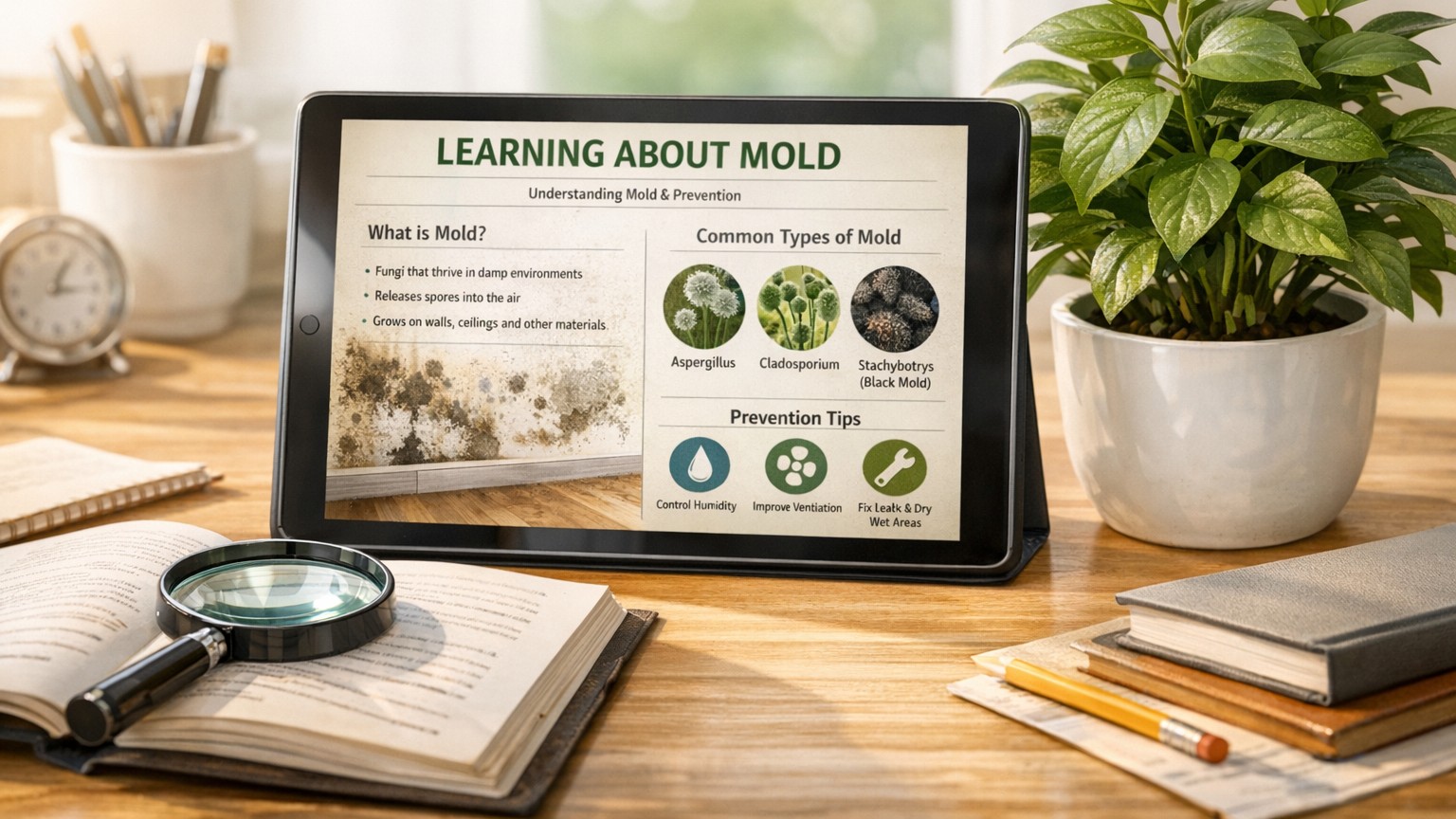
Spring cleaning is about more than just tidying up—it's an opportunity to protect your home and family from mold. As you move furniture, clean behind appliances, and organize closets, you'll have access to areas you rarely see. Use this opportunity to check for mold problems and prevent new growth.
This comprehensive checklist combines traditional spring cleaning tasks with mold-specific inspections. Print it out, grab your cleaning supplies, and let's get started.
Before You Begin
Gather these supplies:
- Rubber gloves
- N-95 mask (for cleaning potentially moldy areas)
- Flashlight
- White vinegar or EPA-registered mold-killing cleaner
- Spray bottle
- Microfiber cloths
- Hygrometer (humidity meter)
- Phone or camera for documenting issues
Bathroom Deep Clean and Inspection
Bathrooms are the most common location for household mold due to constant moisture exposure.
Cleaning Tasks
- Scrub all grout lines with mold-killing cleaner
- Clean shower doors, tracks, and frames thoroughly
- Wash shower curtain and liner (or replace if moldy)
- Scrub around faucets and fixtures
- Clean exhaust fan cover and blades
- Wipe down all surfaces including light fixtures
Inspection Points
- Check caulk around tub, shower, and toilet—replace if cracked or moldy
- Look under sink for leaks or water damage
- Inspect toilet base for water damage to flooring
- Check behind toilet tank
- Test exhaust fan operation (hold tissue to vent—should pull)
- Look for discoloration on ceiling, especially if bathroom above another room
Prevention Steps
- Apply fresh caulk where needed
- Leave bathroom door or window open after showering
- Spread shower curtain to dry after use
- Keep surfaces dry
Kitchen Deep Clean and Inspection
Kitchens have multiple moisture sources: cooking steam, dishwashers, refrigerators, and sinks.
Cleaning Tasks
- Pull out refrigerator—clean behind and underneath
- Pull out stove—clean behind and underneath
- Clean inside and outside of trash can
- Scrub inside garbage disposal
- Clean dishwasher interior, filter, and door seals
- Wipe down range hood and filter
- Clean under sink area completely
Inspection Points
- Check under sink for any leaks or moisture
- Inspect dishwasher door gasket for mold
- Look at refrigerator drip pan (usually at bottom behind panel)
- Check ice maker water line if applicable
- Inspect window sill above sink for moisture damage
- Look for water stains on ceiling (especially below bathrooms)
Prevention Steps
- Use range hood when cooking
- Fix any dripping faucets
- Ensure dishwasher drains completely
- Keep counters dry
Bedroom Deep Clean and Inspection
You spend about a third of your life in the bedroom, making air quality here especially important.
Cleaning Tasks
- Move bed and furniture—vacuum and clean behind
- Wash all bedding in hot water
- Vacuum mattress and flip/rotate
- Clean inside closets—remove everything
- Wipe down windowsills and frames
- Clean air conditioning window units if present
Inspection Points
- Check behind headboard, especially if against exterior wall
- Look in back corners of closets for mold or musty smell
- Inspect window frames for condensation damage
- Check wall corners near exterior walls
- Look under beds and furniture for any discoloration
Prevention Steps
- Avoid pushing furniture directly against exterior walls
- Ensure closets have adequate air circulation
- Use moisture-absorbing products in closets if needed
- Don't store items in plastic against walls
Living Areas Deep Clean and Inspection
Cleaning Tasks
- Move all furniture and clean behind
- Vacuum upholstered furniture
- Clean ceiling fan blades
- Wipe down baseboards
- Clean around HVAC registers and returns
- Shampoo carpets or have professionally cleaned
Inspection Points
- Check behind entertainment centers and large furniture
- Look for water stains on ceilings and walls
- Inspect windowsills for moisture damage
- Check fireplace for moisture intrusion signs
- Look for discoloration on carpet, especially near exterior walls
Basement Deep Clean and Inspection
Basements require extra attention due to their natural tendency toward moisture.
Cleaning Tasks
- Remove all stored items from floor
- Vacuum thoroughly, including corners and behind items
- Clean floor drains
- Wipe down any exposed pipes
- Clean sump pump pit
Inspection Points
- Check walls for water stains or efflorescence (white mineral deposits)
- Look for standing water anywhere
- Check humidity level—should be below 50%
- Test sump pump operation
- Inspect stored items for moisture damage
- Look for musty odors
- Check HVAC equipment for leaks
Prevention Steps
- Run dehumidifier to maintain humidity below 50%
- Store items on shelves, not directly on floor
- Use plastic bins, not cardboard boxes
- Ensure proper drainage away from foundation
Attic Inspection
Attic attics don't need regular cleaning, but annual inspection is essential.
Inspection Points
- Check for daylight through roof (indicates potential leak points)
- Look for staining on roof sheathing
- Check insulation for dampness or compression
- Verify bathroom and kitchen vents exit outside, not into attic
- Look for pest signs that could indicate entry points
- Check for frost or moisture on surfaces in early spring
Laundry Area Deep Clean and Inspection
Cleaning Tasks
- Pull washing machine away from wall
- Clean inside washing machine, especially rubber gasket
- Clean dryer lint trap and interior
- Disconnect and clean dryer vent duct
- Sweep behind and under appliances
Inspection Points
- Check washing machine hoses for bulges or cracks
- Inspect floor around washer for water damage
- Check dryer vent exterior termination
- Look for lint accumulation (fire and moisture hazard)
- Check utility sink if present for leaks
HVAC System Spring Maintenance
Your HVAC system circulates air throughout your home. If it harbors mold, every room is affected.
- Replace air filter
- Clean supply and return vent covers
- Check condensate drain line (pour water through to verify clear)
- Schedule professional maintenance before cooling season
- Consider duct cleaning if never done or suspect contamination
Documenting Issues Found
As you clean and inspect, document any concerns:
- Take photos of any suspected mold or water damage
- Note locations and estimated sizes
- Record humidity readings from different rooms
- List any needed repairs
What to Do If You Find Mold
Small areas of mold (less than 10 square feet) can often be cleaned yourself:
- Wear gloves and eye protection; use respiratory protection only when the situation and product label call for it
- Choose a product labeled for the surface and follow its directions, including ventilation and contact time; never mix products
- Do not disturb porous or damaged materials you cannot clean and dry
- Clean only as the material and label allow, then dry thoroughly
- Address the moisture source that allowed mold to grow
For larger areas, mold in HVAC systems, or if you have health concerns, consult a professional.
Make It an Annual Tradition
Incorporate this mold checklist into your annual spring cleaning routine. Catching problems early prevents costly remediation and protects your family's health. A few hours of inspection can save thousands in repairs and ensure your home remains a healthy place to live.
Sources and Further Reading
For current moisture and mold guidance, see EPA's A Brief Guide to Mold, Moisture, and Your Home.