
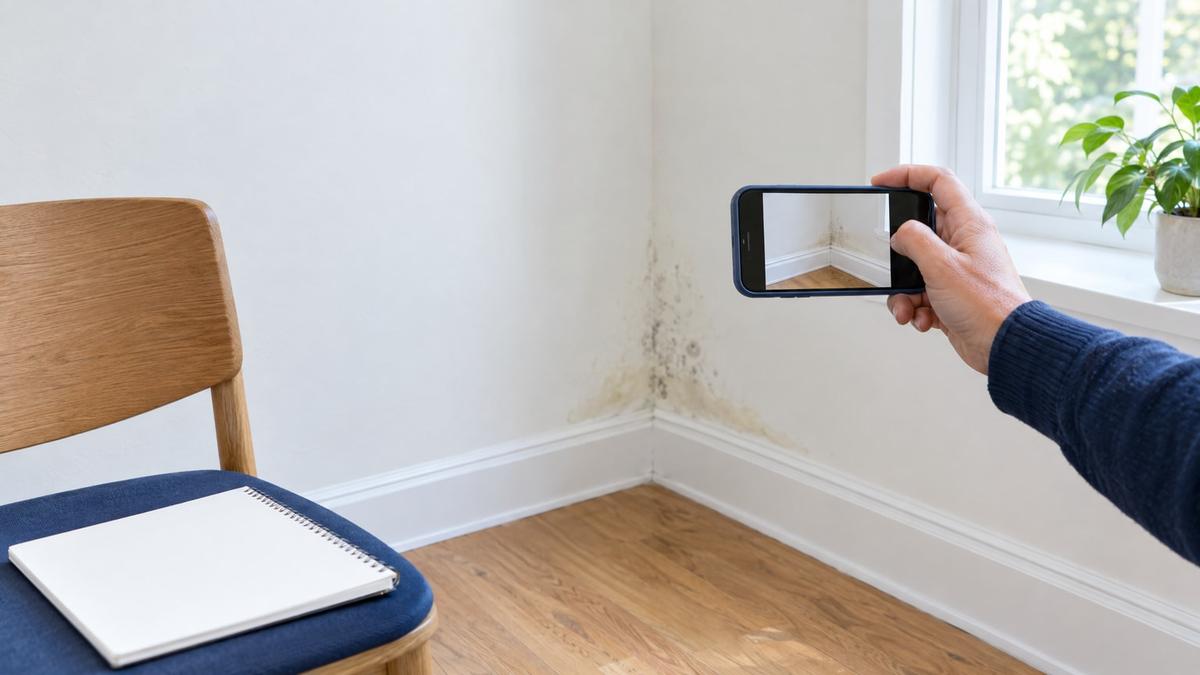
If your home has a mold history, even after remediation, you may need to answer buyer questions or complete state disclosures. The governing rule depends on the property, the facts known to the seller, and the law and forms used where the property is located.
The General Rule: Material Facts Must Be Disclosed
Do not assume a single nationwide rule. Many jurisdictions require disclosure of known material facts or use a prescribed seller form; whether a past moisture or mold condition must be disclosed depends on current local law and the facts. Verify the official form before listing.
- Some states publish seller forms that ask about water intrusion, repairs, or other material conditions; others use broader defect or knowledge standards. Read the current form and instructions for the property’s location rather than assuming that a state example or a remediation report answers the legal question.
- A form may ask about known defects, repairs, insurance claims, or water history without using the word mold. The questions and duties differ, so answer the current form factually and ask a local real-estate attorney about anything unclear.
- Do not reduce a jurisdiction to a “buyer beware” label. Even where a form is limited, the seller’s knowledge, contract, agent duties, and material facts can still matter. Verify the current official rule before listing.
States With Specific Mold Disclosure Requirements
Some jurisdictions publish seller forms that ask about water intrusion, defects, or other material conditions. A state form or agency guide can show the questions used there, but it does not establish the rule for another state.
What to Include in Your Disclosure
Create a factual record of the date and apparent cause, affected area, moisture-source repairs, work scope and invoices, permits if applicable, reports, and steps taken to reduce recurrence. Disclose what the applicable law and form require; do not turn a report into a promise about future conditions.
- When the mold was discovered and the cause
- Extent of the contamination
- Remediation company name and certifications
- Date remediation was completed
- Post-remediation verification results
- Steps taken to prevent recurrence
Professional documentation helps answer buyer questions. A remediation scope or post-remediation report can show what work was performed, but neither replaces legal disclosure duties or guarantees future conditions. For more information, see our guide to selling a home with mold history.
How to Present Remediation Positively
Frame your disclosure constructively:
- Describe completed work and documentation factually without promising future conditions
- Provide reports, invoices, permits, or warranties when the applicable form or transaction calls for them
- Explain moisture-source repairs and any known limitations or unresolved access
- Ask a local real-estate professional whether a current form requires a particular answer
The Cost of Non-Disclosure
Failing to disclose a known condition that the applicable law treats as material can create legal exposure after the sale. The possible claims and remedies depend on the jurisdiction, contract, evidence, and facts; do not rely on concealment or a generic disclosure checklist.
Consult Your Real Estate Attorney
Disclosure requirements are complex and location-specific. Before listing, review the current official form and consult a real estate attorney or licensed professional who knows the property's state law; a remediation report is not legal advice.
Keep the project record organized with our Mold Documentation guide and Scope of Work guide.
How to Check the Current Form
Find the state real-estate regulator or housing agency, download the form and instructions that apply to the property, and note the revision date. Check whether the transaction uses an additional local or brokerage form. Keep the version you reviewed with the listing file, and do not copy a disclosure from another state.
What a Remediation Record Can Show
A work scope, invoice, permit, photograph, or post-work report can describe what someone observed or performed. It may not cover concealed areas, future moisture, or a buyer’s legal rights. Preserve the complete record, identify its limitations, and present it with the disclosure required by the applicable law and contract.
- Keep dates, apparent cause, areas affected, and repairs in a factual timeline
- Distinguish a contractor’s credential or qualification from a government license
- Do not describe a report as a health-safety certificate or warranty
- Get location-specific legal advice before deciding that a past condition is immaterial
Sources and Further Reading
For current guidance, see Texas TREC's current Seller's Disclosure Notice and California DRE's disclosures guidance.