
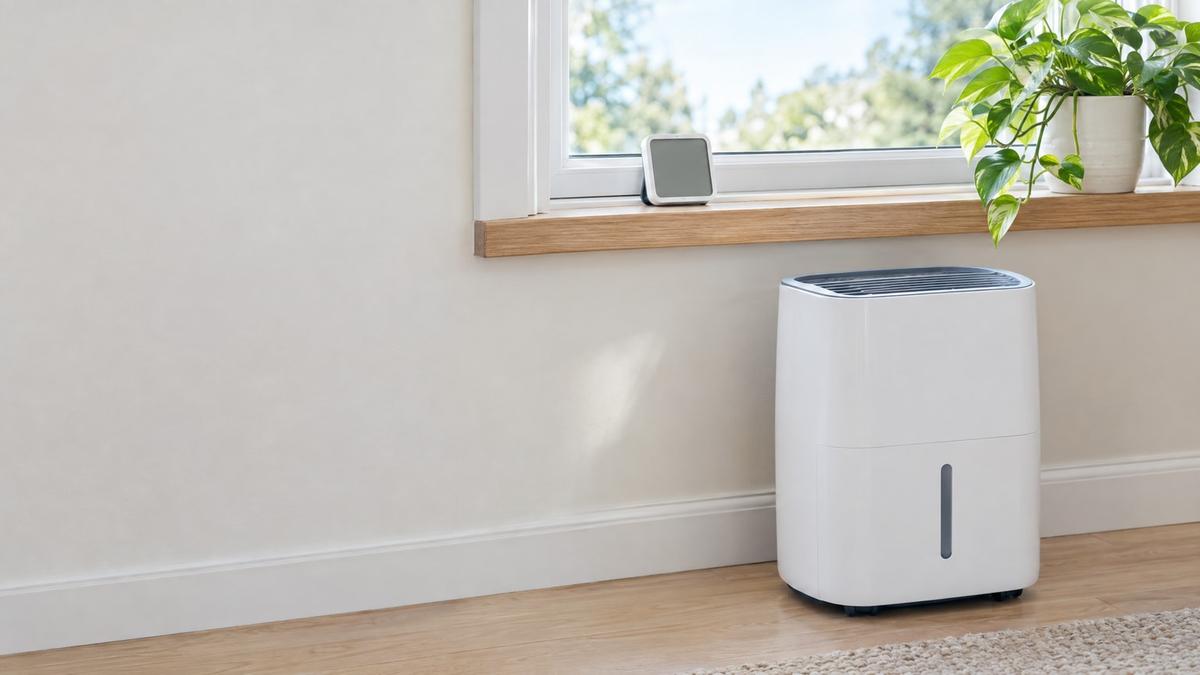
A closed property may have leaks, damp materials or equipment faults that went unnoticed. Inspect before starting the season’s routine use.
Whether your property has been closed since fall or you're preparing a rental you've just booked, this guide will help you ensure your summer starts fresh—not musty.
Before You Arrive
Contact Local Contacts
- Inspect for storm damage, standing water and obvious utility problems before restoring service
- Have unsafe or uncertain electrical, gas and plumbing systems checked by qualified people
- Follow appliance and building winterization instructions when reopening the property
- Do not enter or operate equipment where contamination or structural damage is suspected
Pack Inspection Supplies
- Flashlight
- Hygrometer
- Phone/camera for documentation
- Bring material-appropriate cleaning supplies with their labels; do not rely on a household vinegar recipe for every surface or appliance.
- N-95 mask in case you find mold
Arrival Protocol
Exterior Check First
Before entering, walk the perimeter:
- Look for obvious damage—fallen trees, roof damage, broken windows
- Check for signs of water intrusion (staining on siding)
- Note any standing water near foundation
- Inspect roof from ground level
Open Up Safely
When first entering:
- Check the building and accessible HVAC areas for water damage before turning the system on
- Keep HVAC off if you know or suspect that it is contaminated
- Ventilate only when access is safe and outdoor conditions support drying
- Do not direct fans across visible mold or disturb hidden materials
Systematic Inspection
Kitchen
- Check under sink for leaks or moisture
- Open refrigerator—should have been cleaned and propped open
- Run water in all fixtures; check for proper drainage
- Look for pest intrusion (droppings, nests)
- Check dishwasher interior for mold
Bathrooms
- Inspect toilet—flush to ensure function
- Check caulk around tub/shower
- Look for mold in grout and on ceilings
- Run exhaust fans to verify operation
- Check under sinks
Bedrooms
Check each bedroom:
- Open closet doors and check for musty smell or visible mold
- Look behind any furniture left in place
- Check window sills for moisture damage
- Strip beds and inspect mattresses
Living Areas
- Look for water stains on ceilings
- Check behind any stored furniture
- Inspect window sills
- Check fireplaces for water intrusion
Basement/Crawlspace
If the property has a basement, inspect accessible foundation edges, drainage and stored items for water damage.
- Measure basement humidity and look for condensation, seepage or damaged materials; do not assume that every closed basement has the same conditions.
Attic
If accessible:
- Look for roof leak evidence
- Check for pest intrusion
- Inspect for any moisture or mold on sheathing
Water System Start-Up
If water was turned off:
- Follow the property’s documented de-winterization procedure
- Have plumbing, water heaters and electrical equipment checked if their condition is uncertain
- Restore and test equipment only after its required safety checks
- Watch for leaks during the first use and stop the source if safe
Humidity Management
After months of closure, humidity is likely elevated:
- Begin source control and drying promptly once access and utilities are safe
- Match extraction and drying to the material and water source
- Use professional help for contaminated water, concealed damage or suspected HVAC contamination
- Verify material drying before closing cavities or applying finishes
If You Find Problems
Small Mold Growth
A small area may be suitable for user-level cleanup only when the surface is cleanable, the water source is understood and access is safe. Contaminated water, hidden damage, HVAC involvement or health concerns can require professional help regardless of area.
- Document visible growth and moisture clues with photos
- For cleanable hard surfaces, use a material-appropriate labeled product and follow its directions; never mix products
- Ensure the area is thoroughly dried
- Identify and address the moisture source
- Monitor for recurrence
Significant Mold or Water Damage
For larger issues:
- Document thoroughly
- Don't disturb—can spread spores
- Contact property insurance
- Hire professional remediation
- Consider alternative accommodation for the weekend
Setting Up for Summer
Once inspection is complete and any issues addressed:
- Set thermostat to maintain comfortable, dehumidified conditions
- Program dehumidifiers if applicable
- Make list of any needed repairs
- Stock cleaning supplies for the season
- Set up routine maintenance schedule
For Renters
If you're renting a vacation property and find mold:
- Document immediately
- Contact property owner/manager right away
- Request different accommodation if problem is significant
- Know your state's renter rights regarding mold
Enjoy Your Summer
Save opening-day photos, repairs and unresolved concerns so later checks can focus on what changed.
If problems exceed your DIY capabilities, our Find a Pro directory can connect you with qualified professionals who can help get your summer property back in shape.
Sources and Further Reading
For current moisture and mold guidance, see EPA's A Brief Guide to Mold, Moisture, and Your Home.