
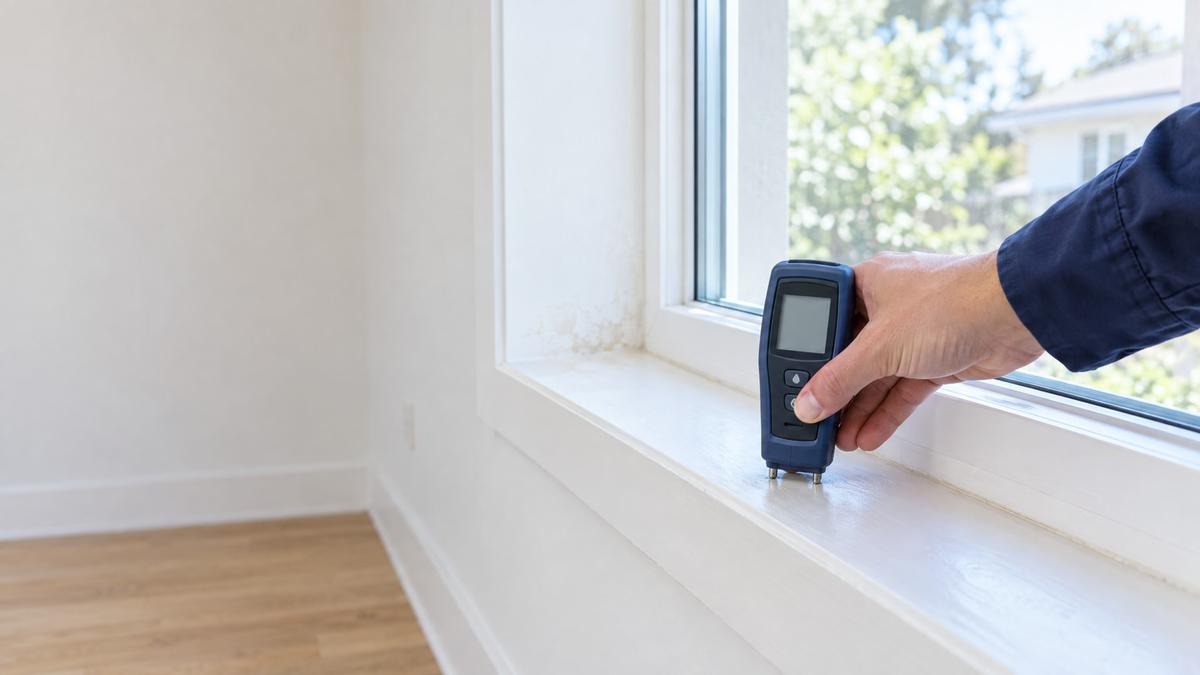
Before bringing seasonal decorations out of storage, inspect them for moisture, damage, odor, and visible residue. Storage conditions vary, and a box or decoration may have a problem without proving that the whole storage area or home is affected.
Why Stored Decorations Can Harbor Mold
Holiday decorations spend most of the year in storage – often in less-than-ideal conditions. Basements, attics, and garages experience temperature fluctuations and humidity changes that promote mold growth on stored items. Cardboard boxes, fabric decorations, and even plastic items can develop mold over months of storage.
Inspecting Stored Decorations
Inspect boxes in a clean, well-ventilated area without shaking or brushing dusty items. If an item is visibly contaminated, damp, or difficult to clean, isolate it and decide whether its material and value justify a controlled cleaning or disposal plan.
What to Look For
- Fuzzy spots, discoloration, powder, or an odor can be reasons to pause, but appearance alone cannot identify mold or its health significance. Look for moisture, staining, and material damage and avoid disturbing residue unnecessarily.
- Musty or earthy odors when opening boxes
- Water damage or staining on boxes or decorations
- Decorations that feel damp or have a slimy texture
- Rust on metal decorations indicating moisture exposure
High-Risk Decoration Types
Some decorations are more susceptible to mold than others:
- Fabric items: costumes, cloth decorations, stuffed characters
- Paper decorations: cardboard cutouts, paper lanterns
- Natural materials: dried corn stalks, hay bales, gourds
- Foam decorations: tombstones, character figures
- Wigs and fake cobwebs: trap moisture and organic material
Cleaning Moldy Decorations
For decorations with surface mold that you want to keep, cleaning may be possible:
- Isolate visibly contaminated items before carrying them through living spaces; use a controlled work location and task-appropriate protection.
- Do not dry-brush or shake moldy decorations. Choose a material-specific damp cleaning or disposal plan that avoids releasing dust.
- For a hard, cleanable surface, first correct the moisture source. Then use a product suitable for that material and follow its label, including ventilation, PPE, dilution, contact time, and disposal directions. Never mix household chemicals; an unlabelled vinegar recipe is not a universal mold-removal method.
- For fabric items: wash in hot water if the item allows; otherwise, dry clean
- Dry items completely using a method suitable for the material and the manufacturer’s care instructions. Sunlight may help dry some objects, but it is not a disinfectant or proof that a contaminated item is safe to use.
- When in doubt, throw it out – health is more important than decorations
Fresh Decorations and Moisture
Fresh pumpkins, hay bales, corn stalks, and gourds add authentic fall atmosphere but create moisture challenges indoors:
- Carved pumpkins begin decomposing immediately – display outdoors or for limited indoor time
- Hay and straw trap moisture and can mold quickly indoors
- Fresh gourds should be inspected regularly for soft spots indicating decay
- Keep fresh natural decorations away from heating vents and humidifiers
Indoor vs. Outdoor Decoration Placement
Strategic placement helps prevent decoration-related moisture problems:
- Keep moisture-generating decorations (fog machines, ice effects) outdoors or in well-ventilated areas
- Place fresh natural items on protective trays that can be cleaned easily
- Don't block air vents or returns with decorations
- Avoid placing decorations that might trap moisture against walls
Preventing Mold for Next Year
Clean, dry storage reduces avoidable moisture problems; inspect again next season because leaks, humidity, and container conditions can change.
- Clean all decorations before storage – remove dust and debris
- Ensure all items are completely dry before packing away
- Use plastic bins with tight lids instead of cardboard boxes
- Add silica gel packets or desiccants to storage containers
- Store in climate-controlled areas when possible
- Label bins with contents and date to track age of items
Health Considerations
Disturbing damp or contaminated decorations can release dust and particles. People with allergies or asthma may want someone else to handle dusty work; symptoms are not a mold test or a diagnosis.
Making Halloween Safe and Fun
Inspect before display, keep damp natural materials outdoors or short-term as appropriate, and store clean, dry items in a suitable place. These steps reduce moisture and nuisance exposure; they cannot guarantee a mold-free home.
Choose Cleaning or Disposal Deliberately
Hard, non-absorbent items may be cleanable when the source is controlled and the work can be contained. Paper, cardboard, porous foam, fabric, and items with embedded odor or growth may not be worth trying to save. Follow the material-care and product label, never mix chemicals, and do not turn a decorative object into a dusty indoor project.
Store for Next Season
Let washable items dry fully, discard compromised boxes, and use clean containers that keep out water while allowing appropriate ventilation. Store decorations off damp floors and away from known leaks. Before next season, inspect again rather than assuming a sealed box stayed dry.
- Separate damp or visibly contaminated items before carrying them through living areas
- Keep hay, straw, paper, and fabric away from persistent moisture
- Use a material-specific cleaning plan and protective equipment
- Ask for professional help when contamination is extensive or dust cannot be controlled
For material and moisture planning, see ourHidden Mold guide and Remediation guide.
Sources and Further Reading
For current moisture and mold guidance, see EPA's A Brief Guide to Mold, Moisture, and Your Home.