
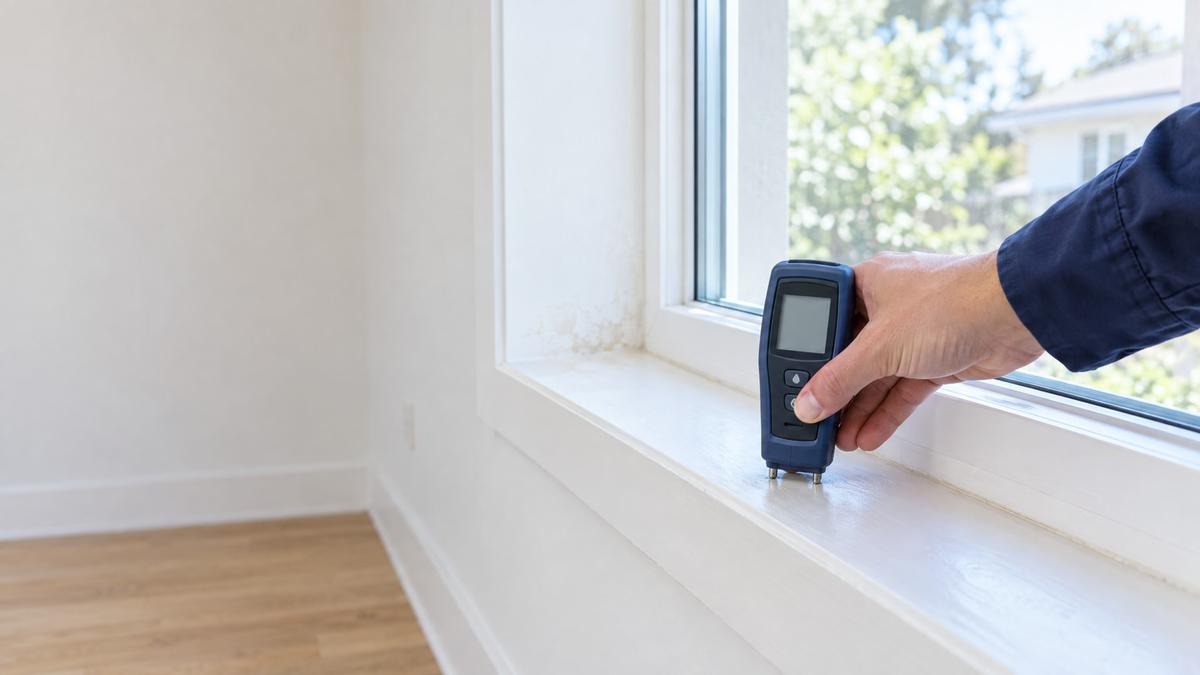
A new year is a useful time to build moisture-control habits. These six resolutions focus on leak detection, appropriate ventilation and prompt response to water damage; no maintenance routine can guarantee a mold-free home.
Resolution 1: Run Exhaust Fans Every Time
This is the simplest change with one of the biggest impacts. Many homeowners skip the exhaust fan or turn it off too soon, allowing moisture from showers and cooking to accumulate in their homes.
The Commitment
- Turn on the bathroom fan before every shower and leave it running for 20-30 minutes after
- Use the kitchen exhaust fan whenever cooking produces steam
- If your exhaust fans are noisy (a common excuse for not using them), consider upgrading to quieter models
Resolution 2: Check for Leaks Monthly
Small leaks cause big mold problems when they go unnoticed. A slow drip under the sink or behind the washing machine can create hidden mold colonies that grow for months.
Monthly Leak Check Routine
- Look under all sinks for moisture or water stains
- Check behind the toilet and around the base
- Inspect the washing machine hoses and connections
- Look at the ceiling below bathrooms for water stains
- Check the water heater for signs of leaking
Repair a leak and start drying promptly, aiming to dry clean-water-wet materials within 24 to 48 hours. Whether material needs removal depends on its condition, contamination and ability to dry; elapsed time alone does not decide the scope.
Resolution 3: Maintain 30-50% Humidity
Humidity control is fundamental to mold prevention. Invest in an inexpensive hygrometer and place it in the most moisture-prone area of your home - usually the bathroom, basement, or kitchen.
Humidity Management Actions
- Use dehumidifiers in damp areas
- Fix any sources of excess moisture (leaks, poor ventilation)
- Avoid over-humidifying in winter - more is not better
- Vent clothes dryers to the outside
Resolution 4: Clean and Inspect Problem Areas Quarterly
Some areas of your home are more prone to mold than others. Commit to inspecting these spots every three months.
Quarterly Inspection List
- Bathroom: check caulk around tub and shower, look behind toilet
- Kitchen: inspect under sink, behind refrigerator, around dishwasher
- Basement: look for water stains, check sump pump, inspect walls for efflorescence
- Check safely accessible ceilings and attic access areas for staining, wet insulation or unusual odors. Do not walk on ceiling drywall or disturb suspect insulation; use qualified help for unsafe access or concealed moisture investigation.
- Windows: examine sills and frames for moisture or mold
During these inspections, also note any musty smells that could indicate hidden mold.
Resolution 5: Address Small Mold Problems Immediately
It is tempting to put off a small moisture problem, but prompt source control and drying can limit continued damage. Treat 24–48 hours as a drying target, not a mold-growth clock; actual material, moisture, contamination, and drying conditions inform the next step.
Quick Response Guidelines
- A small area, roughly less than 10 square feet, may be manageable by an otherwise healthy adult when the water is clean, access is safe and HVAC or hidden contamination is not involved. Use at least a NIOSH-approved N95, gloves and goggles; higher-risk people should avoid cleanup.
- Always identify and fix the moisture source, not just clean the visible mold
- If mold returns in the same spot, there is an unresolved moisture issue
- Larger areas or mold in HVAC systems require professional remediation
Not sure if you can handle it yourself? Use our DIY vs Professional assessment tool to help decide.
Resolution 6: Schedule an Annual Home Moisture Assessment
Consider a qualified moisture assessment when leaks recur, the source remains unclear or prior repairs have not kept materials dry. A routine annual mold inspection is not necessary for every home.
This is especially valuable if you have had mold problems in the past, live in a humid climate, or have an older home with unknown moisture history.
Tracking Your Progress
Like any resolution, these work best with accountability. Consider keeping a simple log of your monthly leak checks and quarterly inspections. Note any issues you find and how you addressed them. This record will be valuable if you ever need to document your home maintenance for insurance or real estate purposes.
Starting Is the Hardest Part
You do not have to implement all six resolutions at once. Start with the one that addresses your biggest vulnerability - maybe that is finally fixing the bathroom fan that barely works, or getting a hygrometer for the basement. Small improvements compound over time, and by this time next year, mold prevention will be second nature.
Sources and Further Reading
For current moisture and mold guidance, see EPA's A Brief Guide to Mold, Moisture, and Your Home.