%20--%3e%3cpath%20d='M128%2056%20L144%20128%20L128%20116%20L112%20128%20Z'%20fill='%23d39b4a'/%3e%3c!--%20Compass%20needle%20-%20South%20(white)%20--%3e%3cpath%20d='M128%20200%20L144%20128%20L128%20140%20L112%20128%20Z'%20fill='%23ffffff'%20opacity='0.85'/%3e%3c!--%20Center%20circle%20--%3e%3ccircle%20cx='128'%20cy='128'%20r='12'%20fill='%23d39b4a'/%3e%3ccircle%20cx='128'%20cy='128'%20r='6'%20fill='%230f4f52'/%3e%3c/svg%3e)
Overview
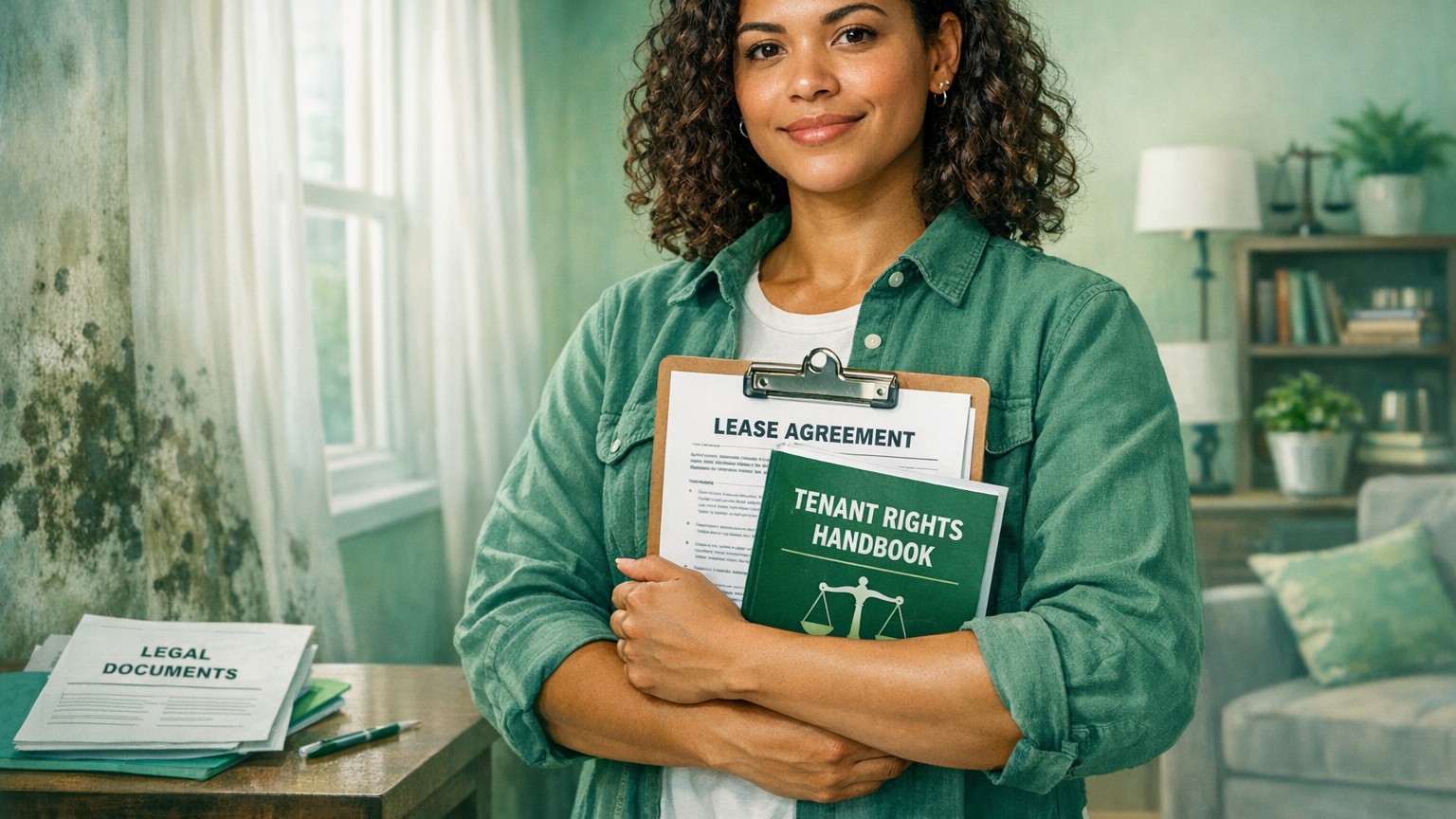
Washington does not have comprehensive mold-specific legislation. However, tenants are protected under the Residential Landlord-Tenant Act (RCW 59.18), which requires landlords to maintain habitable premises and address conditions that cause mold growth. Under the mold disclosure subsection of RCW 59.18.060, landlords must provide tenants with Department of Health-approved information about the health hazards of indoor mold exposure. While landlords are not specifically required to remediate mold, they must fix the underlying problems that cause mold growth, including water leaks, moisture problems, and inadequate ventilation. [RCW 59.18.060 - Landlord Duties]
Depending on the facts, tenants may be able to withhold rent, repair and deduct, and terminate the lease if conditions become uninhabitable. The sources reviewed for this guide did not identify a universal Washington mold-professional license. Still verify any contractor or trade license that applies to the actual work, confirm private credentials with the issuer, disclose assessment/remediation conflicts, and use a clear written scope. In Washington, health departments may provide guidance or referrals, but private landlord mold disputes usually still turn on documentation, local code enforcement, and the remedies listed on this page.
Washington Mold Law Quick Answers
These answers target the questions renters and property owners usually need first: repair timing, relocation, rent remedies, disclosure, reporting, and who pays for remediation.
How long does a landlord have to fix mold in Washington?
There is rarely a universal mold-specific deadline. In Washington, the practical standard is whether the landlord responds within a reasonable time after written notice, fixes the moisture source, and restores safe, habitable conditions.
Can tenants withhold rent for mold in Washington?
Rent withholding may be available in Washington, but it is usually condition-based rather than automatic. Washington allows rent withholding only through the RCW 59.18.115 escrow process. Tenants must give written notice, allow the landlord the statutory time to fix the issue, obtain certification from a local authority that the conditions exist, and then deposit rent into an approved escrow account. Funds are released to the landlord after repairs are certified. Tenants cannot simply stop paying rent outside this process. Use written notice, photos, repair timelines, and local advice before withholding rent.
Can mold require relocation or lease ending in Washington?
Relocation or lease termination depends on severity, proof, and whether the unit is unsafe or uninhabitable. Washington law allows tenants to terminate their rental agreement when landlords fail to remedy defective conditions. Under RCW 59.18.090, if a landlord fails to remedy a defective condition within a reasonable time after receiving written notice, the tenant may terminate the rental agreement and vacate the premises without further obligation. The tenant must provide written notice to the landlord of the termination. Upon vacating, the tenant is discharged from rent payments for any period following the quit date and is entitled to a pro rata refund of prepaid rent. The tenant must also receive a full accounting of any security deposit deductions within 21 days. Mold itself may not be sufficient cause to break a lease, but if the landlord fails to fix underlying moisture problems that cause mold growth, tenants may use this remedy.
Who usually pays for remediation?
Responsibility depends on the lease, state and local law, the moisture source, notice, repair history, and each party's conduct. A landlord may be responsible for building leaks or failed systems; a tenant may be responsible for tenant-caused damage or an unreported spill, but labels like "housekeeping" do not settle the issue by themselves. The sources reviewed for this guide did not identify a universal Washington mold-professional license. Still verify any contractor or trade license that applies to the actual work, confirm private credentials with the issuer, disclose assessment/remediation conflicts, and use a clear written scope. Homeowners may also have repair or disaster-aid options listed in the assistance programs section below. Compare options in the DIY vs professional guide.
Does mold have to be disclosed?
Washington has disclosure rules or related requirements that can matter when a landlord, seller, or property manager knew about prior mold, water damage, or remediation.
Where can mold be reported?
In Washington, health departments may provide guidance or referrals, but private landlord mold disputes usually still turn on documentation, local code enforcement, and the remedies listed on this page. File the strongest complaint only after you have dated photos, written notice, and a repair timeline. Check the local regulations section for city complaint paths where this guide has them.
What to Do About Mold in Washington
Start here for practical next steps, then review your state-specific legal details below.
- Photograph visible mold, water stains, leaks, humidity readings, damaged belongings, and any failed ventilation in the Washington rental before cleanup changes the evidence.
- Send written notice to the landlord or property manager that identifies the moisture source, affected rooms, health or safety concerns, and the repair you are requesting; keep proof of delivery.
- Ask the landlord to fix the underlying water or ventilation problem, not just paint over or bleach visible mold, because recurring moisture is usually the habitability issue.
- Do not simply stop paying rent; Washington's rent remedy has conditions. Keep the rent money available and get local legal advice before withholding or escrowing any payment.
- Before repair and deduct, check the dollar cap, contractor rules, receipt requirements, and notice period in the cited Washington source.
- If anyone has asthma, immune compromise, severe symptoms, or a doctor has advised avoiding exposure, document that separately and ask legal aid about emergency remedies or reasonable accommodation options.
Decision Framework
A practical sequence for prioritizing cleanup, legal notices, and contractor escalation.
- Base the cleanup method on the water source, affected materials, extent, access, HVAC involvement, and other hazards. Porous materials may need removal rather than surface cleaning.
- Trace the moisture source with inspection and appropriate measurements. Humidity, bubbling paint, and odor are clues, not proof of a source or hidden extent.
- Confirm occupant and worker safety first: limit access when disturbance could spread debris, and use ventilation only when it will not spread contamination or create another hazard.
- Collect evidence before escalation: photos with dates, repair logs, and any prior notices.
- When evidence suggests broader building issues, use the state law guide before deciding on repair-and-deduct or other remedies.
Washington Tenant Mold Rights
Start here if you rent and need the protections most likely to matter when mold, leaks, or water damage affect safe occupancy in Washington.
Right to Habitable Housing
All tenants have the right to a rental unit that is fit for human habitation. Landlords must maintain the property in compliance with applicable health and safety codes, keep structural components in good repair, provide adequate weatherproofing, and maintain heating, plumbing, and ventilation systems. Conditions that cause mold, such as water leaks and moisture problems, must be repaired.
Right to Mold Information Disclosure
Tenants have the right to receive information about mold health hazards and prevention from their landlord. This information must be provided or approved by the Washington State Department of Health and given to new tenants at the time the lease is signed. It can also be posted in a visible public location at the property.
Washington Landlord Responsibilities for Mold
These are the duties landlords are usually expected to meet once mold or the moisture source behind it has been reported.
Maintain Habitable Premises
Landlords must keep rental premises fit for human habitation at all times during the tenancy. This includes maintaining substantial compliance with applicable codes affecting health or safety, keeping structural components in reasonably good repair, maintaining weathertight conditions, and ensuring heating, plumbing, and ventilation systems work properly.
Provide Mold Disclosure Information
Landlords must provide tenants with information approved by the Washington Department of Health about the health hazards associated with indoor mold exposure. The information must describe how tenants can control mold growth in their dwelling units. This can be provided in writing to each tenant or posted in a visible public location at the property.
Can Washington Tenants Withhold Rent or Break a Lease?
These are the remedies readers usually search for first. Availability often turns on written notice, timing, and whether the condition makes the unit unsafe or uninhabitable.
Rent Withholding
Limited: Washington allows rent withholding only through the RCW 59.18.115 escrow process. Tenants must give written notice, allow the landlord the statutory time to fix the issue, obtain certification from a local authority that the conditions exist, and then deposit rent into an approved escrow account. Funds are released to the landlord after repairs are certified. Tenants cannot simply stop paying rent outside this process.
Repair and Deduct
Limited: Under RCW 59.18.100, tenants may make repairs and deduct the cost from rent when landlords fail to fulfill their duties. The tenant must first give written notice of the defective condition and provide a good faith estimate of repair costs. If the landlord fails to commence remedial action within the applicable time period (10 days for non-emergency repairs), the tenant may contract with a licensed or registered person to make the repair. The total deduction cannot exceed two months rent per repair, and the total deductions in any 12-month period cannot exceed two months rent. The repair must be completed in a workmanlike manner, and the landlord must be given an opportunity to inspect.
Breaking a Lease Due to Mold
Washington law allows tenants to terminate their rental agreement when landlords fail to remedy defective conditions. Under RCW 59.18.090, if a landlord fails to remedy a defective condition within a reasonable time after receiving written notice, the tenant may terminate the rental agreement and vacate the premises without further obligation. The tenant must provide written notice to the landlord of the termination. Upon vacating, the tenant is discharged from rent payments for any period following the quit date and is entitled to a pro rata refund of prepaid rent. The tenant must also receive a full accounting of any security deposit deductions within 21 days. Mold itself may not be sufficient cause to break a lease, but if the landlord fails to fix underlying moisture problems that cause mold growth, tenants may use this remedy. [RCW 59.18.090 - Tenant Remedies]
Documentation and Escalation
Good records decide a lot of mold disputes. Build your paper trail before cleanup, complaints, temporary relocation, or rent-related decisions.
Mold Risk in Washington
Climate, housing stock, and storm patterns change how mold shows up in Washington. Use this section to understand the local pressure points behind the legal issues above.
Washington's Diverse Maritime Climate
Western Washington has a marine climate with mild temperatures and significant rainfall—Seattle averages 37 inches annually with 150+ rainy days. Eastern Washington has a semi-arid climate. The western region's persistent moisture and moderate temperatures (rarely freezing, rarely hot) create year-round conditions favorable for mold growth. Seattle's famous overcast, drizzly weather keeps humidity levels elevated much of the year.
Pacific Northwest Mold Challenges
Western Washington faces significant mold challenges due to its persistent moisture. While humidity levels aren't as extreme as the Southeast, the constant dampness and lack of sustained drying periods create chronic moisture conditions. Studies indicate approximately 30-40% of Pacific Northwest homes show signs of moisture problems. Older Seattle-area homes with poor drainage and ventilation are particularly vulnerable.
Adult Asthma Prevalence
CDC 2022 BRFSS data shows an adult current asthma rate of 10.9% in Washington. Residents in homes with ongoing dampness and poor ventilation are at higher risk of respiratory flare-ups from mold exposure.
Washington has a renter-and-landlord mold guide
Washington has an official "Renters, Landlords, and Mold" page, which is exactly the kind of renter-facing guidance many states still lack. Washington pages should use that advantage and answer tenant process questions directly.
Source: Washington State Department of Health - Renters, Landlords, and Mold
Washington Residential Landlord-Tenant Act provides detailed repair duties
Washington's RCW 59.18 is one of the more detailed landlord-tenant statutes in the country. It requires landlords to maintain structural components, plumbing, and ventilation, and gives tenants specific remedies including repair-and-deduct and rent reduction for uninhabitable conditions.
Washington Pacific Northwest moisture makes mold prevention essential
Western Washington's extended rainy season and moderate temperatures create ideal conditions for year-round mold growth. Seattle, Tacoma, and Olympia face particularly high residential mold rates, especially in older buildings with inadequate ventilation.
Washington does not license mold professionals specifically
Washington does not have a mold-specific licensing program. General contractor licensing through the Department of Labor and Industries may apply to remediation work, but there is no dedicated mold credential for consumers to verify.
Source: Washington Department of Labor and Industries - Contractor Registration
Washington mold disclosure applies to residential property sales
Washington's Seller Disclosure Statement requires sellers to disclose known defects including water damage, moisture problems, mold, and environmental hazards. This disclosure requirement gives buyers a pre-purchase record of the property's moisture and mold history.
Mandatory Mold Disclosure
Washington requires landlords to provide tenants with Department of Health-approved information about indoor mold health hazards under the mold disclosure subsection of RCW 59.18.060. This disclosure requirement, enacted in 2005, makes Washington one of few states with explicit mold notification requirements for landlords.
Persistent Rain and Moisture
Western Washington's climate features extended periods of light rain and overcast skies. Unlike areas with intense but brief rainfall, the Pacific Northwest's gentle but persistent precipitation keeps buildings constantly damp. Poor roof maintenance, inadequate gutter systems, and foundation drainage issues quickly lead to moisture intrusion and mold growth.
Mold Professional Requirements in Washington
Before you pay for testing or remediation, confirm whether Washington requires licenses, certifications, or agency oversight for this work.
No State Licensing Required
Washington does not require state licensing for mold assessors or inspectors. However, Washington is one of few states that mandates landlords provide Department of Health-approved mold information to tenants under the mold disclosure subsection of RCW 59.18.060. Most professional mold assessors carry IICRC, ACAC, or MICRO certifications.
Certifying body:IICRC, ACAC, or MICRO (voluntary)
No State Licensing Required
Washington does not require state licensing for mold remediation contractors. The Washington State Department of Health recommends following EPA guidelines and hiring qualified professionals for large mold problems (more than 10 square feet). Contractors should carry appropriate liability insurance.
Mold Legislation in Washington
If you want the source material, start here. These enacted and pending bills show how Washington handles mold, water damage, and related housing standards.
Enacted Laws
SB 5049: Mold Disclosure in Residential Dwelling Units
Status:Signed by Governor, May 13, 2005 (Chapter 465, Laws of 2005)
Requires landlords to provide tenants with information approved by the Washington State Department of Health about the health hazards of indoor mold exposure and how to control mold growth. Information must be provided to new tenants at lease signing or posted in a visible public location. The Department of Health must include landlord representatives when developing the disclosure materials. Landlords are immune from civil liability for failure to provide disclosure except where failure is knowing and intentional.
Impact:Made Washington one of the first states to mandate mold disclosure to tenants, establishing a model for tenant notification about indoor environmental health hazards.
SB 6237: Rental Property Flood Disclosures
Status:Signed by Governor Mar 27, 2026 as Chapter 234, Laws of 2026; effective June 11, 2026
Adds a flood-risk disclosure subsection to RCW 59.18.060 for leases entered into after Dec 31, 2026. The mold disclosure duty remains in the same landlord-duty statute but is renumbered from subsection (13) to subsection (14) effective June 11, 2026.
Impact:Does not create a new mold duty, but it changes the exact RCW subsection citation used for Washington mold disclosure guidance.
Implied Warranty of Habitability
This is the baseline rule many mold disputes rise or fall on when there is no stand-alone mold statute.
Washington law establishes an implied warranty of habitability through RCW 59.18.060. Landlords must maintain premises fit for human habitation at all times during the tenancy. This includes keeping the property in substantial compliance with applicable codes affecting tenant health or safety, maintaining structural components in reasonably good repair, providing adequate weatherproofing, and maintaining plumbing, heating, and ventilation systems in reasonably good working order. While mold itself is not explicitly listed as a habitability violation, landlords must fix the conditions that cause mold: water leaks, moisture problems, and inadequate ventilation. [RCW 59.18.060 - Landlord Duties]
Mold Disclosure Requirements
Disclosure rules matter most when owners, landlords, or sellers knew about prior leaks, cleanup, or recurring mold problems.
Washington requires landlords to provide mold disclosure information to tenants under the mold disclosure subsection of RCW 59.18.060. The disclosure must be a document provided or approved by the Washington State Department of Health. Acceptable materials include the Department of Health's "Mold Questions and Answers" document or the EPA's "Brief Guide to Mold, Moisture, and Your Home." A generic mold addendum will not satisfy the law unless it incorporates a Department of Health-approved form. The information may be provided in writing to each tenant individually or posted in a visible, public location at the property. Landlords are immune from civil liability for failure to provide mold disclosure except where such failure is knowing and intentional. [RCW 59.18.060 - Mold Disclosure]
Local Regulations
Some cities and counties add complaint paths or property-maintenance rules on top of state law. Review local requirements alongside the statewide guide above.
Major City Mold Guides
Use these local guides when you need climate-specific inspection priorities, seasonal risk patterns, and city-level moisture context.
Seattle, WA
Local mold risks, prevention priorities, and next steps for Seattle.
Spokane, WA
Local mold risks, prevention priorities, and next steps for Spokane.
Tacoma, WA
Local mold risks, prevention priorities, and next steps for Tacoma.
Vancouver, WA
Local mold risks, prevention priorities, and next steps for Vancouver.
Bellevue, WA
Local mold risks, prevention priorities, and next steps for Bellevue.
Frequently Asked Questions
These FAQs focus on landlord duties and legal rights, apartment and rental next steps, and inspection and testing decisions because those are the issues most likely to shape mold disputes and repair decisions.
How long does a landlord have to fix mold in Washington?
Can you withhold rent for mold in Washington?
Can you break a lease because of mold in Washington?
Assistance Programs
Programs that may help pay for repairs or remediation, especially after disasters or through rural and low-income programs.
Washington State Weatherization Assistance Program
Provides energy efficiency improvements including ventilation upgrades that help prevent mold growth. Priority given to households with members who have respiratory conditions.
Eligibility:Households at or below 200% of federal poverty level
Coverage:Ventilation improvements, moisture control, insulation
Phone:360-725-2891
USDA Section 504 Home Repair Program
Provides loans and grants to very low-income rural homeowners for repairs including addressing moisture and mold issues.
Eligibility:Very low-income homeowners in rural areas
Coverage:Loans up to $40,000 for repairs; grants up to $10,000 for elderly homeowners
King County Housing Repair Program
Provides home repair assistance to income-eligible King County homeowners, including repairs that address moisture intrusion and mold prevention.
Eligibility:Income-eligible homeowners in King County
Coverage:Essential home repairs including moisture control
Phone:206-263-9095
University Extension Resources
Washington Mold Complaint and Legal Resources
These agency and program links are the best starting point when you need primary sources, complaint channels, or official health guidance.