%20--%3e%3cpath%20d='M128%2056%20L144%20128%20L128%20116%20L112%20128%20Z'%20fill='%23d39b4a'/%3e%3c!--%20Compass%20needle%20-%20South%20(white)%20--%3e%3cpath%20d='M128%20200%20L144%20128%20L128%20140%20L112%20128%20Z'%20fill='%23ffffff'%20opacity='0.85'/%3e%3c!--%20Center%20circle%20--%3e%3ccircle%20cx='128'%20cy='128'%20r='12'%20fill='%23d39b4a'/%3e%3ccircle%20cx='128'%20cy='128'%20r='6'%20fill='%230f4f52'/%3e%3c/svg%3e)
Overview
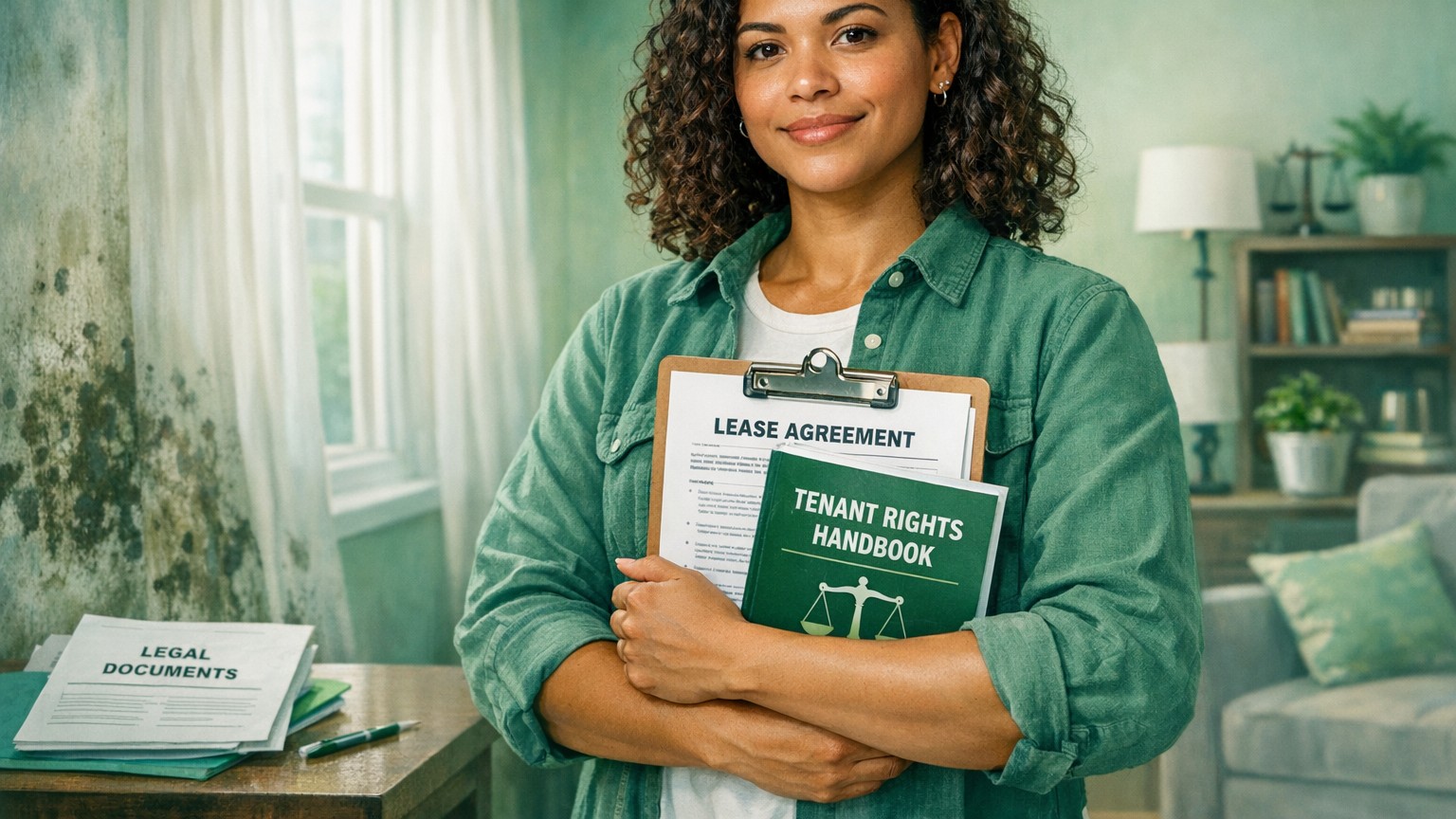
North Carolina does not have specific mold legislation that directly addresses landlord duties or liability for mold prevention and remediation. However, the state provides tenant protections through the Residential Rental Agreements Act (N.C.G.S. Chapter 42, Article 5), enacted in 1977, which establishes an implied warranty of habitability. Under N.C.G.S. Section 42-42, landlords must keep rental premises "fit and habitable," which courts interpret as covering significant mold issues affecting health and safety. The statute specifically mentions that landlords must address "excessive standing water, sewage, or flooding problems caused by plumbing leaks or inadequate drainage that contribute to mosquito infestation or mold." [North Carolina General Statutes Section 42-42]
Depending on the facts, tenants may be able to terminate the lease if conditions become uninhabitable. North Carolina does not rely on a universal mold license, so you need to vet certifications, scope, and independence carefully and use the state agency guidance as your baseline. North Carolina agencies may publish mold guidance, but complaint handling often still depends on local code enforcement, written notice, and the remedies available under state landlord-tenant law.
North Carolina Mold Law Quick Answers
These answers target the questions renters and property owners usually need first: repair timing, relocation, rent remedies, disclosure, reporting, and who pays for remediation.
How long does a landlord have to fix mold in North Carolina?
There is rarely a universal mold-specific deadline. In North Carolina, the practical standard is whether the landlord responds within a reasonable time after written notice, fixes the moisture source, and restores safe, habitable conditions.
Can tenants withhold rent for mold in North Carolina?
Rent withholding is not listed as an available mold remedy in this North Carolina guide. North Carolina does NOT allow tenants to withhold rent, even when the landlord fails to make necessary repairs. This is a critical distinction from many other states. Tenants may only withhold rent in two circumstances: (1) when the landlord consents in writing, or (2) when a judge or magistrate issues a court order permitting it. Withholding rent without proper authorization can result in eviction. Tenants must continue paying rent while pursuing legal remedies for habitability issues. Focus first on written notice, code complaints, repair records, and the remedies that are available.
Can mold require relocation or lease ending in North Carolina?
Relocation or lease termination depends on severity, proof, and whether the unit is unsafe or uninhabitable. In severe cases where a landlord's failure to maintain the property substantially interferes with the tenant's use and enjoyment of the premises, the tenant may claim constructive eviction and terminate the lease. To establish constructive eviction, the tenant must show: (1) the landlord failed to maintain habitable conditions, (2) the defect was serious enough to substantially prevent the intended use of the property, and (3) the tenant vacated the premises. Tenants should provide written notice to the landlord, allow a reasonable time for repairs, document all issues thoroughly, and consider consulting an attorney before breaking a lease.
Who usually pays for remediation?
Responsibility usually follows the moisture source. Landlords typically pay when leaks, plumbing failures, roof problems, or building ventilation issues caused the growth. Tenants may be blamed for issues tied only to housekeeping or unreported spills. North Carolina does not rely on a universal mold license, so you need to vet certifications, scope, and independence carefully and use the state agency guidance as your baseline. Homeowners may also have repair or disaster-aid options listed in the assistance programs section below. Compare options in the DIY vs professional guide.
Does mold have to be disclosed?
North Carolina disclosure disputes usually turn on broader property-condition, habitability, or misrepresentation rules unless a specific mold disclosure requirement applies to the transaction.
Where can mold be reported?
North Carolina agencies may publish mold guidance, but complaint handling often still depends on local code enforcement, written notice, and the remedies available under state landlord-tenant law. File the strongest complaint only after you have dated photos, written notice, and a repair timeline. Check the local regulations section for city complaint paths where this guide has them.
What to Do About Mold in North Carolina
Start here for practical next steps, then review your state-specific legal details below.
- Photograph visible mold, water stains, leaks, humidity readings, damaged belongings, and any failed ventilation in the North Carolina rental before cleanup changes the evidence.
- Send written notice to the landlord or property manager that identifies the moisture source, affected rooms, health or safety concerns, and the repair you are requesting; keep proof of delivery.
- Ask the landlord to fix the underlying water or ventilation problem, not just paint over or bleach visible mold, because recurring moisture is usually the habitability issue.
- Keep rent current while you escalate unless a court, local legal aid attorney, or cited state procedure tells you otherwise; improper withholding can trigger eviction.
- If the landlord does not act, contact code enforcement, the health or housing agency, or legal aid instead of assuming repair and deduct is available.
- If anyone has asthma, immune compromise, severe symptoms, or a doctor has advised avoiding exposure, document that separately and ask legal aid about emergency remedies or reasonable accommodation options.
Decision Framework
A practical sequence for prioritizing cleanup, legal notices, and contractor escalation.
- If mold is in porous materials (drywall, insulation, carpet, acoustic tile), assume professional remediation is likely needed.
- Identify whether the source is on the surface or behind walls by checking for persistent humidity, bubbling paint, and musty odors.
- Confirm occupant safety first: limit access to affected areas, use ventilation where appropriate, and avoid spreading contaminated materials.
- Collect evidence before escalation: photos with dates, repair logs, and any prior notices.
- When evidence suggests broader building issues, use the state law guide before deciding on repair-and-deduct or other remedies.
North Carolina Tenant Mold Rights
Start here if you rent and need the protections most likely to matter when mold, leaks, or water damage affect safe occupancy in North Carolina.
Right to Habitable Premises
Tenants have the right to a dwelling that is fit for human habitation and complies with applicable building and housing codes affecting health and safety. This includes the right to premises free from conditions that cause or contribute to mold growth, such as water leaks, flooding, and inadequate drainage.
Right to Sue for Rent Abatement
If a landlord fails to maintain habitable conditions after receiving written notice, tenants may file a lawsuit in Small Claims Court seeking rent abatement. The court can order a reduction in rent equal to the difference between the rental value of the property in habitable condition and its actual condition with the defect.
North Carolina Landlord Responsibilities for Mold
These are the duties landlords are usually expected to meet once mold or the moisture source behind it has been reported.
Comply with Building and Housing Codes
Landlords must comply with all current applicable building and housing codes that materially affect health and safety. This includes maintaining structural integrity, proper ventilation, and addressing conditions that could lead to mold growth.
Maintain Fit and Habitable Premises
Landlords must make all repairs and do whatever is necessary to put and keep the premises in a fit and habitable condition. This is a "catch-all" requirement that covers repair and maintenance duties not specifically described elsewhere in the Act, including addressing mold caused by structural defects or landlord negligence.
Can North Carolina Tenants Withhold Rent or Break a Lease?
These are the remedies readers usually search for first. Availability often turns on written notice, timing, and whether the condition makes the unit unsafe or uninhabitable.
Rent Withholding
Not Available: North Carolina does NOT allow tenants to withhold rent, even when the landlord fails to make necessary repairs. This is a critical distinction from many other states. Tenants may only withhold rent in two circumstances: (1) when the landlord consents in writing, or (2) when a judge or magistrate issues a court order permitting it. Withholding rent without proper authorization can result in eviction. Tenants must continue paying rent while pursuing legal remedies for habitability issues.
Repair and Deduct
Not Available: North Carolina does NOT allow tenants to make repairs and deduct the cost from rent without prior authorization. Unlike many other states, there is no statutory repair-and-deduct remedy in North Carolina. If you pay for emergency repairs yourself, keep all receipts so you can seek reimbursement from the landlord, but you cannot simply deduct the amount from your rent. You may negotiate with your landlord to allow repair-and-deduct as part of a written agreement, or seek court permission.
Breaking a Lease Due to Mold
In severe cases where a landlord's failure to maintain the property substantially interferes with the tenant's use and enjoyment of the premises, the tenant may claim constructive eviction and terminate the lease. To establish constructive eviction, the tenant must show: (1) the landlord failed to maintain habitable conditions, (2) the defect was serious enough to substantially prevent the intended use of the property, and (3) the tenant vacated the premises. Tenants should provide written notice to the landlord, allow a reasonable time for repairs, document all issues thoroughly, and consider consulting an attorney before breaking a lease. [North Carolina General Statutes Section 42-42]
Documentation and Escalation
Good records decide a lot of mold disputes. Build your paper trail before cleanup, complaints, temporary relocation, or rent-related decisions.
Mold Risk in North Carolina
Climate, housing stock, and storm patterns change how mold shows up in North Carolina. Use this section to understand the local pressure points behind the legal issues above.
North Carolina's Varied Climate
North Carolina has a humid subtropical climate in the east and transitional climate in the mountains. The state receives 40-60 inches of rainfall annually, with coastal areas receiving the most. Summer humidity frequently exceeds 70%, particularly in the eastern Piedmont and coastal plain. Charlotte and Raleigh experience hot, humid summers conducive to mold growth.
Southeastern Humidity Challenges
North Carolina faces significant mold challenges across its eastern regions. The coastal plain and Piedmont areas experience persistent humidity that promotes mold growth. Hurricane damage in coastal areas leads to extensive water damage and subsequent mold problems. Charlotte and the Triangle metro areas have growing rental markets where older housing can be susceptible to moisture issues.
Adult Asthma Prevalence
CDC 2022 BRFSS data shows an adult current asthma rate of 9.2% in North Carolina. Residents in homes with ongoing dampness and poor ventilation are at higher risk of respiratory flare-ups from mold exposure.
North Carolina focuses on mold and human health
North Carolina public-health materials focus on mold and human health rather than pretending testing alone solves the problem. That gives North Carolina pages room to cover symptoms, moisture causes, and rental habitability together.
Source: North Carolina Department of Health and Human Services - Mold and Human Health
North Carolina Residential Rental Agreements Act covers mold through maintenance duties
North Carolina's RRAA requires landlords to maintain rental premises in a fit and habitable condition, keep plumbing, heating, and electrical systems in good repair, and comply with building and housing codes. Mold from landlord-controlled maintenance failures falls under these statutory duties.
Source: North Carolina General Statutes - Chapter 42 Article 5
North Carolina hurricane and flood exposure creates large-scale mold events
North Carolina's coastal and inland flooding from hurricanes and tropical storms creates periodic large-scale mold events. Post-hurricane mold remediation is a major public health concern, and the state has issued specific cleanup guidance for flood-damaged residential properties.
North Carolina does not license mold professionals
North Carolina has no state licensing or registration requirement for mold inspectors or remediators. General contractor licensing applies to construction and repair work, but there is no mold-specific credential. Consumers should verify certifications and insurance independently.
Source: North Carolina Licensing Board for General Contractors
North Carolina property disclosure covers known defects
North Carolina's Residential Property Disclosure Act requires sellers to disclose known material facts about property condition, including water intrusion, moisture problems, and environmental hazards. Known mold conditions and their causes should appear on the standard disclosure statement.
Statutory Mold Reference
North Carolina's habitability statute (N.C.G.S. 42-42) specifically mentions that landlords must address "excessive standing water, sewage, or flooding problems caused by plumbing leaks or inadequate drainage that contribute to mosquito infestation or mold." This explicit statutory reference provides tenants with stronger grounds for mold complaints.
Hurricane and Coastal Flooding
North Carolina's Outer Banks and coastal regions face significant hurricane risk. Hurricanes Florence (2018) and Matthew (2016) caused catastrophic flooding and widespread mold damage affecting thousands of rental properties. Eastern NC communities continue to face mold problems from these and subsequent flooding events.
Mold Professional Requirements in North Carolina
Before you pay for testing or remediation, confirm whether North Carolina requires licenses, certifications, or agency oversight for this work.
No State Licensing Required
North Carolina does not require specific state licensing for mold assessment or remediation contractors. General contractors may need licensing through the NC Licensing Board for General Contractors for projects over $30,000. Professional mold remediators typically follow IICRC S520 standards and hold voluntary certifications from organizations like ACAC or IICRC.
Regulatory Agency
NC Department of Health and Human Services
Phone:919-855-4800
Implied Warranty of Habitability
This is the baseline rule many mold disputes rise or fall on when there is no stand-alone mold statute.
North Carolina's implied warranty of habitability is codified under N.C.G.S. Section 42-42, which requires landlords to provide "fit premises." Landlords must comply with applicable building and housing codes materially affecting health and safety, make all repairs necessary to keep the premises in a fit and habitable condition, keep common areas safe, and maintain all electrical, plumbing, sanitary, heating, ventilating, air conditioning, and other facilities in good working order. The statute specifically addresses water-related issues that contribute to mold. Importantly, tenants cannot waive these rights - any lease provision releasing the landlord from these duties is void under N.C.G.S. 42-42(b). [North Carolina General Statutes Section 42-42]
Mold Disclosure Requirements
Disclosure rules matter most when owners, landlords, or sellers knew about prior leaks, cleanup, or recurring mold problems.
North Carolina does not have specific mold disclosure requirements for landlords. There is no state law requiring landlords to disclose the presence of mold, past mold issues, or high mold concentrations to prospective tenants before signing a lease. However, landlords should be aware that concealing known habitability issues could potentially expose them to unfair and deceptive trade practices claims. Landlords must still comply with federal lead paint disclosure requirements for properties built before 1978. [North Carolina General Statutes Section 42-42]
Local Regulations
Some cities and counties add complaint paths or property-maintenance rules on top of state law. Review local requirements alongside the statewide guide above.
Major City Mold Guides
Use these local guides when you need climate-specific inspection priorities, seasonal risk patterns, and city-level moisture context.
Charlotte, NC
Local mold risks, prevention priorities, and next steps for Charlotte.
Raleigh, NC
Local mold risks, prevention priorities, and next steps for Raleigh.
Greensboro, NC
Local mold risks, prevention priorities, and next steps for Greensboro.
Durham, NC
Local mold risks, prevention priorities, and next steps for Durham.
Winston-Salem, NC
Local mold risks, prevention priorities, and next steps for Winston-Salem.
Frequently Asked Questions
These FAQs focus on landlord duties and legal rights, apartment and rental next steps, and inspection and testing decisions because those are the issues most likely to shape mold disputes and repair decisions.
How long does a landlord have to fix mold in North Carolina?
Can you withhold rent for mold in North Carolina?
Can you break a lease because of mold in North Carolina?
Assistance Programs
Programs that may help pay for repairs or remediation, especially after disasters or through rural and low-income programs.
NC Housing Finance Agency Rehab Programs
Provides various housing rehabilitation programs through local partners that may include mold remediation for qualifying North Carolina homeowners.
Eligibility:North Carolina homeowners meeting income requirements (varies by program and locality)
Coverage:Varies by program; may cover mold remediation as part of home rehabilitation
Phone:919-877-5700
USDA Section 504 Home Repair Program
Federal program providing loans and grants to very low-income rural homeowners for repairs including mold remediation. Covers much of rural North Carolina.
Eligibility:Very low-income homeowners in rural North Carolina areas
Coverage:Loans up to $40,000 at 1% interest; Grants up to $10,000 for elderly homeowners
FEMA Individual Assistance
Following federally declared disasters, FEMA provides grants for home repairs including mold remediation. North Carolina frequently receives disaster declarations for hurricanes and flooding.
Eligibility:North Carolina residents in declared disaster areas with uninsured or underinsured losses
Coverage:Varies by disaster declaration; covers necessary mold remediation from disaster damage
Phone:1-800-621-3362
University Extension Resources
North Carolina Mold Complaint and Legal Resources
These agency and program links are the best starting point when you need primary sources, complaint channels, or official health guidance.